Throughout the week, we update our Best New Songs playlist with the new releases that caught our attention the most, be it a single leading up to the release of an album or a newly unveiled deep cut. And each Monday, we round up the best new songs released over the past week (the eligibility period begins on Monday and ends Sunday night) in this segment.
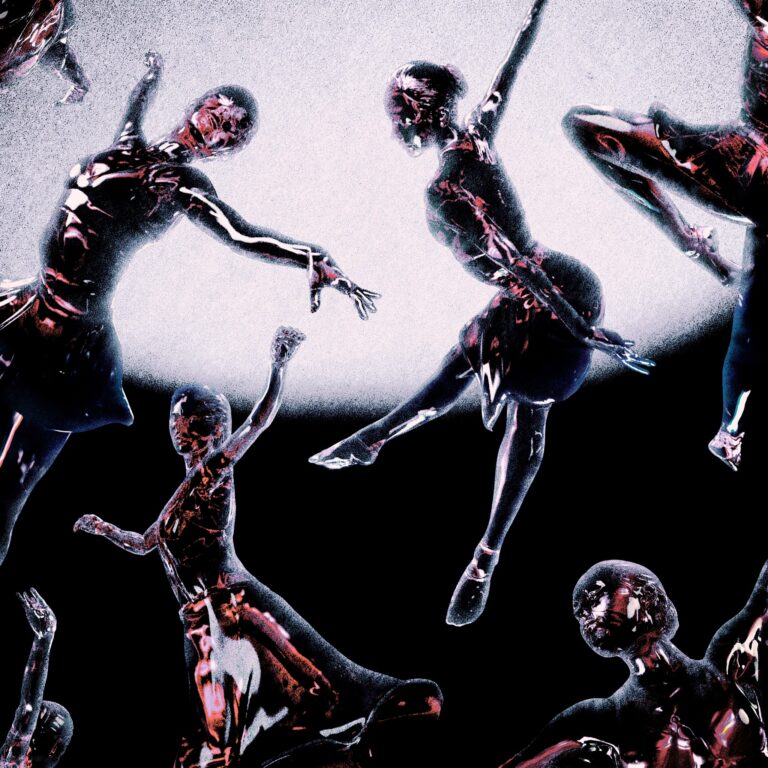
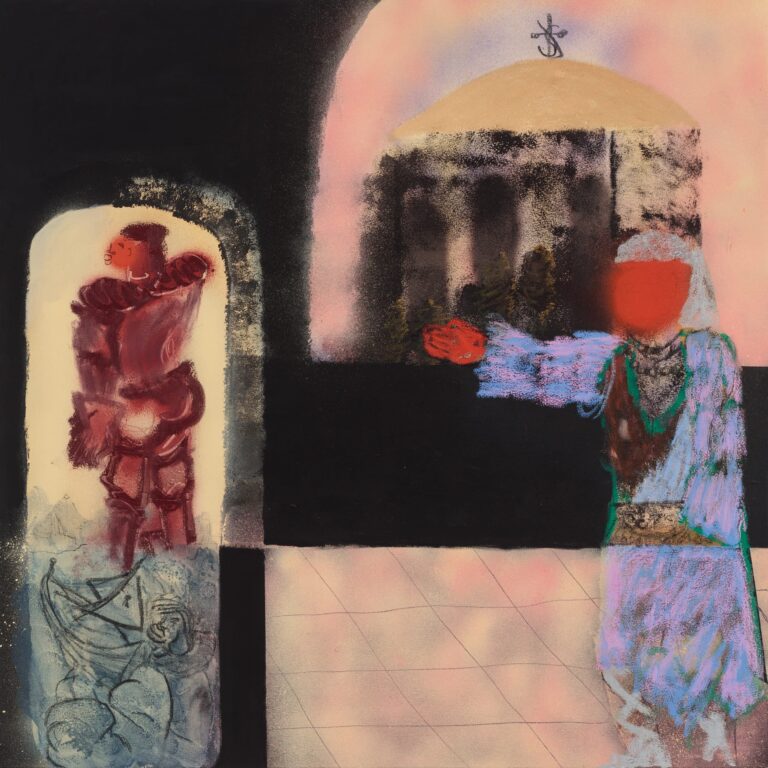
On this week’s list, we have Jlin’s dizzying and hyperactive ‘Embryo’, the title track from the producer’s upcoming EP; Parquet Court’s raucous garage rocker ‘Homo Sapiens’, the final single from their new LP Sympathy for Life; Strange Ranger’s hypnotic new song ‘It’s You’, the closing track from their new mixtape No Light in Heaven; ‘Message in a Bottle’, the captivating first single from the Nigerian-born, London-based singer Obongjayar’s debut album; Nation of Language’s ‘The Grey Commute’, which layers its sharp political commentary over ‘80s synths and a propulsive beat; and the dreamy and evocative ‘I’m So Tired’ by Deserta, the solo moniker of former Saxon Shore/Midnight Faces member Matthew Doty.
As the second most popular website online, YouTube is impossible to ignore for brands looking to reach a broad audience and one of the crucial metric of success on the platform is growing YouTube subscribers. Starting a YouTube channel is easy, but the level of competition makes it tricky to actually gain subscribers. It is crucial to get your videos found on the site, but also convince people to watch your content and subscribe. With the right approach, though, every brand can build a following, encouraging viewers to keep on returning to your videos. The following steps can be used to start your channel and set yourself up for success.
Identify an Appropriate Theme
Consistency is a crucial part of video marketing. Viewers will subscribe when they appreciate the content you are regularly creating. If your channel gets filled with all kinds of styles and themes, people won’t know what to expect. Try to settle on an overall theme that forms the basis of most content. You could choose to vlog, create tutorials, show product demonstrations, and more.
Design Your Channel
Designing your channel is a simple process, but it makes life easier for viewers. You can start by writing an enticing bio that explains who you are and the content you create. The page should then link to your website and all relevant social media channels. Finally, you can add a banner that could be based on your logo or the personalities that feature in the videos.
Create Content
Content creation is the most critical factor in the process as viewers won’t subscribe to low-quality channels. There is no single way to create content, with all styles represented across YouTube. Product demonstrations may work well in a simple location, featuring an attractive background. Vlogging can be improved with a quality camera that has a stabilization feature. While the styles can vary, look to ensure the production values, including lighting and sound, are a primary focus.
Use Creative Titles
Titles are a significant reason for a viewer to click on your video. A compelling title might create some curiosity, asking a question, or building an open loop. Alternatively, the title could feature the name of a person recognized in the industry. You may be tempted to use a controversial claim, but avoid this strategy if it won’t suit your brand. Clickbait can get some quick results, though it won’t always be a practical long-term approach.
Design Thumbnails
Thumbnails should stand out to YouTube visitors as they browse search results. Most effective thumbnail images use bright colors, often with the addition of simple text. Curiosity works well with these images, so you could experiment with blurring out parts of the image to generate interest.
Use Call to Actions
Getting people to watch your videos can be tricky, but turning them into subscribers is even harder. So often YouTube users find it easy to buy YouTube subscribers rather than trying years to increase their subscribers. Using a call to action is a critical step, as most people won’t naturally remember to subscribe. It is common to end a video explaining the button viewers should press, possibly using graphics to make it as simple a process as possible. If you are speaking directly to the camera in your content, adding a call to action earlier in the video can help.
Develop a Social Media Network
Social media is one of the best ways to promote your videos as followers have already shown an interest in your content. If you can get people to follow your Instagram or Twitter, you have found a way to engage them. Posting your YouTube videos, including the compelling title and thumbnail, will encourage a significant proportion of followers to then watch your video. Creating short trailers that suit the social platform can also help grow curiosity, leading to many people clicking over to YouTube.
Monitor Analytics
YouTube analytics can be a valuable source of data, helping you understand what is driving subscription numbers. Analytics will show you details on which subscription button was pressed, if people found you in the YouTube search results, whether the subscriber was directly on YouTube or viewing an embedded video, and more. This data can be used to focus your attention on a particular promotional method, so you gain the most subscribers for your time and effort.
Anyone can start a YouTube channel, but this simplicity leads to a vast amount of competition. Trying to get noticed on the site can be tricky, even before you begin to acquire subscribers. When you start to build an initial following, though, the process gets more manageable, with viewers liking and recommending your content. As long as the videos are engaging, viewers will stick with you and look forward to future content. Growing a following on YouTube might seem like an impossible task at first, but following these steps will help you start the process the right way.
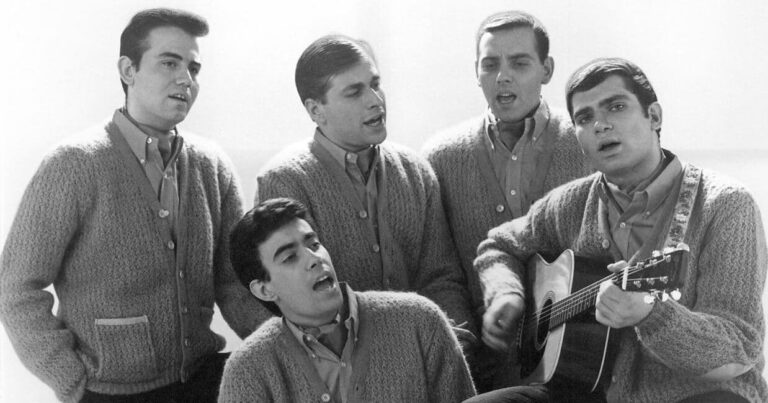
Jay Black, frontman of the ’60s rock band Jay and the Americans, has died at the age of 82. Black’s family confirmed that Black passed away on Friday (October 22) due to complications from pneumonia. Black also suffered from dementia.
Jay Black was born David Blatt in the Brooklyn neighborhood of Borough Park and earned the nickname ‘The Voice’ due to his vocal range. He was the second Jay to lead Jay and the Americans, joining the band in 1962 after the departure of their original singer John ‘Jay’ Traynor. After landing a deal with United Artists Records, the group scored a number of hits with Jay in the lead in the 1960s, including ‘Only in America’, ‘Come a Little Bit Closer’, ‘Cara Mia’, ‘This Magic Moment’, and ‘Walkin’ In The Rain’, with a total of 21 songs making the charts.
Jay and the Americans notably served as the opening act for the Beatles’ first US performance in 1964 in Washington, D.C. They also appeared on The Tonight Show with Johnny Carson, The Mike Douglas Show, and The Merv Griffin Show. Though the group’s members split in 1973 to pursue solo projects, Black would continue to perform as Jay and the Americans with a rotating cast of musicians. His final performance took place in 2017.
“New and old fans continued to marvel at the strength and range of Black’s voice through his last concert in 2017,” Black’s family said in a statement (via Rolling Stone). “Appearing mostly in the tri-state area and Florida, Black’s concerts were heavily attended and mostly sold out. He had a special bond with his fans who flocked to his annual sold-out shows at The Westbury Music Fair. He thought of them as family, knew many of their names, and would dedicate songs to them from the stage and meet with them after the show.”
Black is survived by his four children, five grandchildren and two great-grandchildren.
Perhaps a producer with eight Grammy wins and a James Bond theme under his belt doesn’t need to worry about where he’ll go next. Finneas O’Connell, in his debut album Optimist, certainly seems more wrapped up in the hollowness of fame than the promises that glitter behind it. With his phenomenal, genre-defying work for his sister Billie Eilish, O’Connell has cemented a reputation as one of the industry’s most influential producers. His solo work, however (he is known simply as FINNEAS) is slightly more elusive. His first record is by no means a brash attempt at seizing his sister’s fame, but it isn’t the explosive introduction that might be expected. Optimist offers a set of tracks that are never adventurous enough to challenge the precedent that FINNEAS himself has set.
The album begins with an early single, ‘A Concert Six Months From Now’. Soft guitar and a sample of a crowd distantly cheering precedes nostalgic whisperings that hint at FINNEAS’ ability to craft clever emotional narratives, whether reflecting on “When Harry met Sally/ And you fell asleep” or capturing millennial relationships with the promise, “I’ll wait for years but I won’t wait alone/ And then someday you’ll wait for my face on your phone.” Midway through, the opening sample clashes with buzzing synth as drums erupt and a great wave of cymbals rears up, granting the track a kind of feverish energy. It’s an impressive and detailed soundscape – something FINNEAS is known for after his work with Eilish – but it doesn’t feel groundbreaking, and the rest of the record follows suit. In most of the remaining songs he flits between earnestness and irony, but often doesn’t commit to either compellingly.
In ‘The Kid Are All Dying’, a lolling keyboard melody tumbles into a heavy kick drum beat that backs tongue-in-cheek worldly analysis: “Do you have a dollar?/ Would you like to fund a war?” FINNEAS offers a sweeping view of 21st century dilemmas, making no claims to be profound; irony is particularly palpable in the bridge, where his breezy falsetto introspections serve as a self-deprecating aside (or at least it is hoped that the line “I’m whiter than the ivory on these keys” is not intended to be an example of songwriting genius.) A sample of inaudible chatter that steals in at the beginning and end of the track emulates the empty babble of political debate. This is self-conscious satire, but it doesn’t land with the witty sharpness that was perhaps intended, and in ‘Happy Now’ the line between complicity and complaint remains blurred. “Take a drive around town in my douchebag car/ Like the superstar that I pretend to be,” FINNEAS intones amid pops of electronic drums, and though his bewilderment is evident as he clamors, “If I’m not I’ll never be/ Happy now,” his spin on the reality-of-fame narrative doesn’t invite overwhelming sympathy.
Irony subsides in ‘Only a Lifetime’, which meanders down another well-trodden path by preaching gratitude and sincerity. The track’s dainty piano, however, effectively betrays a sense of urgency, echoing slightly with distortion, and judders of synth emerge at points, adding welcome depth. ‘The 90s’, another single, swerves back into nostalgia of a particularly millennial variety as FINNEAS gazes longingly back at a time “When the future was a testament/ To something beautiful and shiny/ Now we’re only counting down the time that’s left.” Warped vocals give way to blasts of synth that tremble and rupture to march the track to its entropic end. As the sole writer, producer and performer of every song on the record (with the exception of the opener’s grand string section), FINNEAS is flexing all his creative muscles here, revelling in his own versatility. He has the freedom to drop in an instrumental named after his dog, which is jarring in the context of a pop album, but further showcases both his talent and absolute creative liberty; and he abandons all political and existential qualms in a track entitled ‘Around My Neck’, in which slick drums and subtle snare glide into voice-cracking yelps of desire.
FINNEAS is certainly firing on all cylinders here, but what emerges is the sense that for someone so skilled, perhaps this is all still a bit too easy. Despite the record’s varied sounds, it doesn’t feel audacious enough, never following one experiment through to its rousing finale. Paradoxically, the standout track is the sonically uncomplicated ‘Love is Pain’, which boasts fluttering keys and harmonies that snatch at the fringes of FINNEAS’ most touching declarations. “There’s this dream I’ve had/ About mom and dad/ Makes me so sad I wake up crying,” he murmurs. “Can’t believe I’ll have/ To live through that/ Wish it wasn’t mandatory dying.” Abandoning the chase for irony and inspirational platitudes, FINNEAS presents agonising emotion effortlessly here. By the time the album closes, however – its final song is a colourful, disco-led celebration that drowns out the record’s general sense of dread with a cheery reminder that “If you wanna dance again/ You can dance again” – FINNEAS’ skill is clear, but his standpoint is still ambiguous, having at once renounced popular discourses and thrown his offering into the mix.
Ultimately, there is depth to the record but little excitement. Idiosyncrasies in production offer themselves up if you search hard enough, but they blend safely into the broader landscape of the album – it lacks the jeering, in-your-face experimentalism that leaps out of Eillish’s releases. In all fairness, that might simply be Eillish’s identity, and not FINNEAS’, but in its own right the album begs something a little curiouser, a little grittier. Wishing for it, surely, can’t be too optimistic.
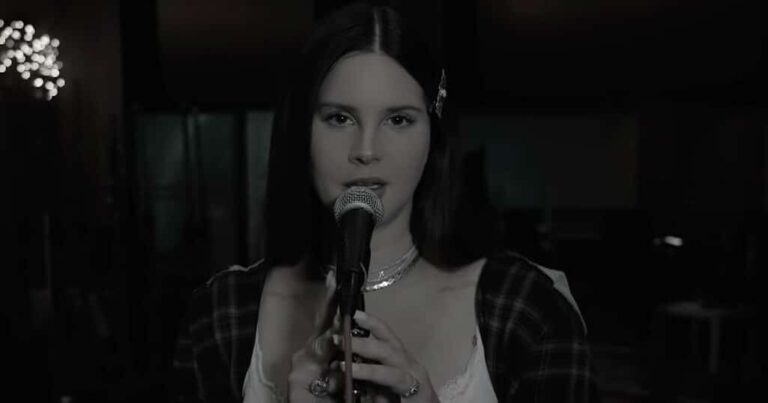
Lana Del Rey was the musical guest on last night’s episode of The Late Show with Stephen Colbert, where she performed ‘Arcadia’ from her brand new album Blue Banisters. Check it out below.
Matty Healy was the surprise opening act at Phoebe Bridgers‘ sold-out hometown show at LA’s Greek Theatre last night (October 22). According to Coup de Main, the 1975 frontman’s acoustic set included two unreleased songs, one of which he introduced as ‘New York’. Bridgers also joined Healy for the first-ever joint live rendition of their Notes on a Conditional Form duet ‘Jesus Christ 2005 God Bless America’, which she had tweeted out earlier in the day after telling fans to “come early tonight.” Watch clips from the performance below.
Meg Duffy doesn’t reveal much about the song. It’s the first thing we hear about on Fun House, and whether or not it’s the same one, we hear about it again: first it’s “the song,” then “your,” then “a.” It is, quite naturally, a thing of the past: the thing Duffy attempts to dig into on their third album under the Hand Habits moniker. In press materials, the singer-songwriter compares the act of performing to casting a spell, and what’s so enchanting about the best songs is how they sometimes have a way of not only conjuring memories, but also giving them a better home. In another meta moment, on ‘False Start’, Duffy seems to be referring explicitly to one of their own songs, confronting a careless listener as they sing, “You missed the best part.” This time, it’s more the you that’s hard to grasp: The song feels both abstract and palpably real.
Duffy ensures no one misses the best parts of Fun House by making it their most fully-formed, expansive, and rewarding effort yet. One of its greatest gifts is that it doesn’t go big just for the sake of it: the shift in sound is a natural result of the dynamic Duffy cultivated with the producer Sasami, who was working on engineer Kyle Thomas’s King Tuff album when Duffy moved in with them. Duffy credits Sasami’s vision for pushing them to overcome musical boundaries and find new ways of expressing emotional truths that, as was the case with many of us, had resurfaced during the pandemic. “I think I started getting really angry,” Duffy told The FADER. “And I couldn’t really understand where that anger was coming from.” While previous Hand Habit albums, particularly the spare folk of 2019’s placeholder, seemed inclined to blanket that sense of anguish and unease, here those feelings have the space to unravel and take different shapes, becoming a propulsive force on ‘More Than Love’ and eventually boiling over on ‘Gold/Rust’.
These might be, depending on what you gravitate to, the best moments on record, but the true magic of Fun House is in rich detail Duffy and their collaborators have weaved into the songs. On the gorgeous single ‘Aquamarine’, Sasami’s pulsing synthesizers fill in the space around a voice that can’t quite speak of trauma, but whose words point to its lingering effect: “Why can’t you talk about it?/ I got used to being on the other side of the truth.” The song is about turning over a box of items that belonged to their late mother, but Duffy revisits these memories not as a means of documenting pain, or even attempting to heal it, but as vital step in the process self-care. When they whisper through flickers of the past on ‘Just to Hear You’, it’s all internal and almost inaudible, covered in ripples of guitar and synth that have a nourishing shine to them. It’s clear Duffy is approaching these experiences not through a wary distance but with a calm fortitude, a perspective that allows for movement and discovery without drowning out the songs’ emotional intensity.
It also amplifies the qualities that marked Hand Habits’ music in the past – its remarkable patience and tender beauty – making Fun House sound less like a departure than a homecoming. It’s why, while the focus in the studio might have been on challenging some of Duffy’s musical proclivities, everyone involved in the project seems more concerned with how to best accommodate them. Sasami’s hand in the production is certainly felt throughout the album, but her backing vocals on tracks like ‘Concrete & Feathers’ also provide a gentle backdrop for Duffy’s impassioned performance. On ‘No Difference’, it’s the incredible cast of guest vocalists – including Mike Hadreas aka Perfume Genius, Big Thief’s James Krivchenia, Christian Lee Hutson, and Griffin Goldsmith – that elevate the song as they embody the conflict at the core of it. Hadreas, whose 2020 LP Set My Heart on FireImmediately shares a spiritual connection with Fun House, also sings on ‘Just to Hear You’, lending it a sense of comforting familiarity.
The added layers never feel superfluous or overly literal, but are instead subtly and evocatively implemented, like the strings, courtesy of Elizabeth Baba, that glide and hurtle through ‘The Answer’. The use of drums in particular is one of the album’s strong suits, not least because of how they vary throughout, from Joo-Joo Ashworth’s liquid percussion on the opening set of songs, to Goldsmith’s swirling drums on ‘Gold/Rust’, or the crisp, organic pace Krivchenia keeps on ‘Concrete & Feathers’. The drums Sasami lays out on ‘The Answer’, meanwhile, sound more like a heartbeat than an instrument, accentuating the intimacy of the track.
As an in-demand session musician, Duffy’s most memorable contributions include the slide guitar on the War on Drugs’ ‘Holding On’ and the haunting solo on Weyes Blood’s ‘Seven Words’. Their virtuosity stands out on several songs here, the guitar serving as a kind of guiding presence in their journey – the sweeping solo on ‘More Than Love’ lifts the whole record up in its first few minutes, while the acoustic guitars on closer ‘Control’ ground its self-affirmations in a lush, reassuring backdrop. “I can change, I can change, I can change,” Duffy sings, “But it’s all behind me now.” It’s a strikingly direct sentiment for a record that hangs in the spaces between past and present, truth and metaphor, you and I – one that prefers to evoke rather than address things, the way a song does a memory, or the other way around, again and again till all meaning is lost. But it also knows that sometimes, to stop yourself from rewinding the tape, the trick you have to pull off is just spelling it out.
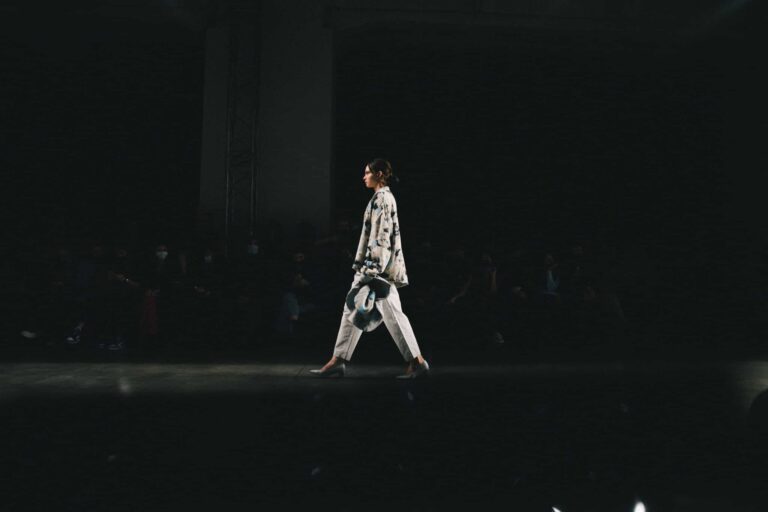
Sustainability has been a pivotal topic of Mercedes-Benz Fashion Week Russia. This year, MBFW Russia has become the place to drop in unwanted clothes that upcycling designers will use for their upcoming collections. This initiative has marked another great year of progress for the fashion week that profoundly celebrates sustainable fashion.
This project will go beyond this season of fashion week. Russian Fashion Council, EcoLine Group, and Vtoroe Dykhanie Fund will collect unwanted clothes every season, further passing them on to upcycling Russian brands, who will use them in their catwalk presentations.
Anyone can take part in this green initiative. You simply have to visit the Museum of Moscow from 14:00 to 21:00 and turn the clothes in at a special reception point in the Museum’s courtyard. No invitation is needed to do that — everyone is welcome the reception point. Participants will have a chance of getting invitations to sustainable brand shows during #MBFWRussia for this and next season, and the most active ones will obtain bags made of upcycled banners and upcycled shirts from Fashion Week. The clothes that won’t be included in designer collections will be given to Vtoroe Dykhanie.
You only have to ride on the underground in London or any major city in the world to gain a quick understanding of where we are right now in terms of socialising. Step onto the carriage of a tube train or into an elevator and chances are most people will be looking down, either at a mobile phone, tablet, newspaper, or book.
Reading material has been around for a long time and people have often picked up a newspaper on their way to work. Using the time to catch up on the latest news when you have nothing else to do is a good idea but in the modern world, people are looking at their phones, with social media being one of the attractions.
When it comes to speaking to strangers in public, things have always been awkward in some respect. You do not want to be the first person to break the silence or make a comment that the other people think is stupid. However, there is something at play from our childhood and most of us who have been fortunate enough to have a good family upbringing have been taught not to speak to strangers. That could be something to do with the modern world as we see the harm human beings are capable of producing to members of their own race on the news on a daily basis. People are more protective of their children than ever before and do not want them to be talking to strangers on public transport or in the street.
That being said, the introduction of smart phones has to be the overriding reason we are becoming less social in modern times. You can see a group of friends sat together on a bus and instead of talking to each other, they are busy looking at their phones or listening to music. Mobile phones have become the complete entertainment package, with games, music, books, and social media all available on the small device.
Some will argue we are not becoming less social; we are simply changing the way we socialise and that could be true. If you are engaging with someone on Facebook or Twitter, you are interacting with them but in a virtual world rather than the real world. It is now possible to play games on your phone that have social elements, with online casino games being a good example. Mobileuscasinos.com highlights some of the best online casinos available today and many of them are home to live casinos. You can play casino games, on your mobile phone and interact with the dealer, which is a form of socialising.
Perhaps, following the lockdown and closure of society as we know it over the past two years, people will begin to interact more in real life. A simple ‘hello’ as we pass another person in the street may seem like nothing but it is better than going by with your head down looking at your phone.
Béatrice Dalle stars in the YSL Fall 21 campaign and is once again reminiscent of her infamous character in Jean-Jacques Beineix’ 1986 cult classic Betty Blue. Time for a flashback.
Betty walks in through the door of a shabby beach shack, dressed in some sort of blue apron-dress that is barely covering her breasts, accompanied by red lips and a daring smile. The ocean, the beach and the sky are her only companions. Playing with a sheer pink scarf in her hands she walks towards her boyfriend. “Alors? How do you find me?”, she asks before allowing him to see what’s underneath the apron. The cinéma du look came into full swing.
The story is a mix of crime, road trip and psychological drama. 19-year-old wild child Betty is in love with a 30-year-old handyman and aspiring writer Zorg (Jean-Hugues Anglade). They live in a beach bungalow and “have sex every day”, as the famous opening sequence suggests. But the good times can’t last. Betty’s idealism and fiery, uncompromising nature forces them to practically run away. But there is no clear destination, and with that, they never fully arrive anywhere. Until one of them has to go.
Betty’s character has been inextricably entwined with Dalle ever since. Her wild past and controversial private life gave her a well deserved Enfant Terrible status. Dalle became an instant star. As she is battling invisible demons in that YSL Fall 21 campaign to Mozart’s Requiem Lacrimosa, one cannot help but be reminded of Betty acting out in despair.
Initially, the film received mixed reviews. Roger Ebert criticised director Beineix for making a movie that is rather “for and about Dalle” by making her “boobs and behind” the centrepiece of the film. In other words, the film is supposedly only a testament to Dalle’s untamed sexuality.
The polished look of the film with its vibrant 80s styling provoked some to label the cinéma du look as a genre that prefers style over substance. Hard to argue with that since the genre is in the name. Even though Betty Blue has been frequently reduced to its nudity, Beineix is presenting us a sombre subject matter, wrapped in either ferocious energy or complete numbness.
Betty’s struggles entice almost every action in this film. It is a story about the inability of finding oneself and find one’s place in society. We think we are witnessing a sincere whirlwind romance full of heated exchanges and the restrictions society imposes on the couple individually. But soon we are forced to see them as separate entities, simply latching onto each other. Their obsessive love for one another is crippled by its emptiness. As Betty’s emotional and mental turmoil increases, Zorg fails to see her for who she is. His only option is to chase her while she remains dependant on him. Betty is unwilling to deal with anything that is not going her way and turns her sorrow into a destructive force of nature. Zorg is irrationally devoted to her and tries everything he can to find a place for them to live happily in peace but it never lasts. His help is restricted to the outside world as he has no access to Betty. She dreams up a lonely house in the country and immediately feels suffocated once they arrive. Betty’s emptiness inside is what she craves on the outside, only to find that kind of life impossible. Neither Zorg nor Betty can truly live their personalities out in the open. Zorg’s writing has been labelled offensive and Betty’s stylised sensuality is only covering a deep-lying mental crisis. Her sexiness is a mere bystander that does not serve her.
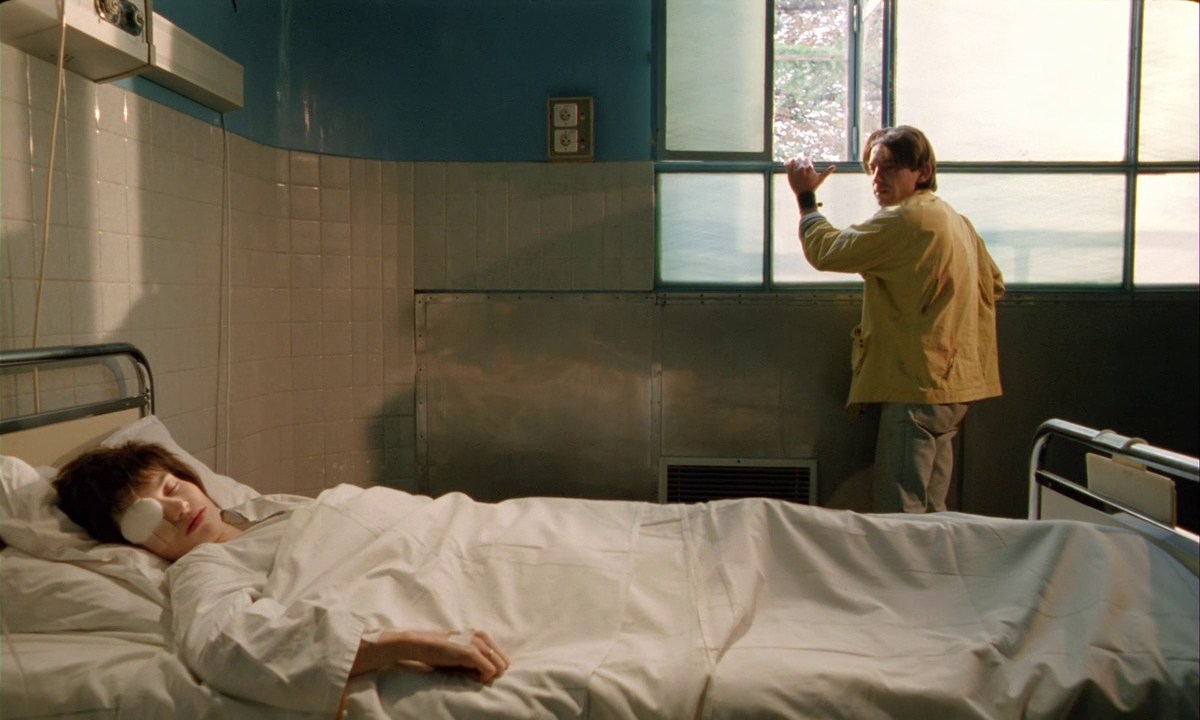
Their helplessness and confusion is equally reflected in some sort of gender swap, in which Betty starts wearing his clothes and Zorg dresses up as a woman to visit Betty in hospital. Eventually, Zorg liberates himself in order to be the writer he wanted to be. In the end, there is no place for Betty to exist.
While the story remains a debatable one, Betty Blue still mesmerises with its bold colours and iconic stylistic choices. They keep us entertained while watching a young woman gradually deteriorating.
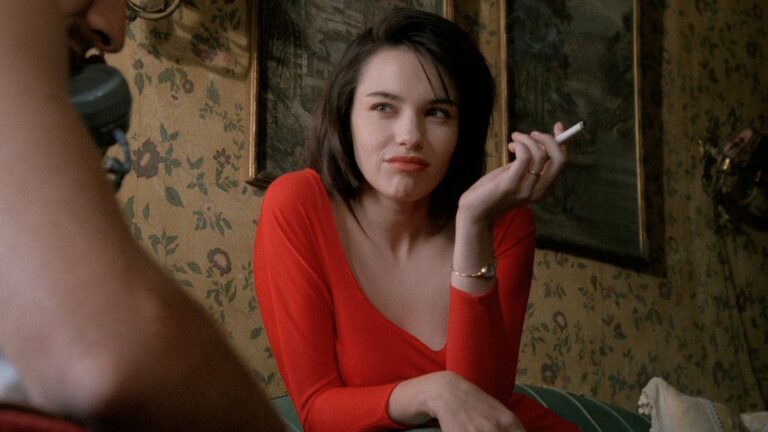
Of course is Dalle’s handyman look with her perfectly messy bob, head to toe covered in bright pink paint worthy of any fashion look. As she’s lounging braless in a tight red dress on a yellow car “warming her ass”, she is inviting everyone to look at her: The cinéma du look has its heroine. Her alluring demeanour is only interrupted by her innocent smile sporting a tooth gap. Dalle became everyone’s favourite movie girlfriend with that explosive mix of being too cool for school, yet as pure as a cartoon character. She is unattainable but which teenager couldn’t relate to at least the idea of her struggle?
Their apartment in the village is oozing classic french antique vibes, an inspiring contrast to the sleazy beach bungalow or old hotel room the couple has occupied before. Even Betty’s make-up is dramatically reflective of her state of mind.
Zorg’s toned and slender body is equally stylised and constantly in movement, keeping up with Dalle’s eye-catching performance. As he tries to accommodate his girlfriend as much as he can, he runs and fights and rushes through the film, always sweating, always quick witted, and always one step behind Betty. Zorg’s invincible dynamism keeps the story going and brings the couple from one place to another until he has no choice left but to stop running.
Betty Blue remains a one of a kind classic and a style reference albeit a peculiar one. An unexplainable sadness lingers throughout the film yet whether the focus lies on Betty’s body remains with the spectator.