

Quality sleep forms the cornerstone of physical health, mental wellbeing, and daily performance, yet many people unknowingly compromise their rest by sleeping on mattresses long past their effective lifespan. The deterioration occurs gradually, often so incrementally that sleepers fail to notice declining comfort and support until problems become severe. Morning stiffness, unexplained fatigue, and restless nights frequently stem from worn mattresses rather than stress, age, or other factors we typically blame. Understanding the warning signs that indicate mattress replacement has become necessary empowers you to address sleep quality issues at their source rather than accepting poor rest as inevitable. By recognising these indicators early, you can restore proper sleep before accumulated poor rest significantly impacts your health, relationships, and quality of life.
Physical Signs of Mattress Deterioration
Visible Sagging and Body Impressions
The most obvious indicator that a mattress requires replacement is visible sagging or permanent body impressions where you typically sleep. Even slight depressions—as little as 2-3 centimetres—compromise spinal alignment and support, creating pressure points that disrupt sleep and cause discomfort. These impressions develop as internal support materials compress and break down over years of nightly use, losing the resilience that characterises new mattresses.
Stand at mattress level and look across the surface to assess whether it remains uniformly flat or shows obvious low spots. Bodies naturally gravitate toward these depressions during sleep, forcing unnatural sleeping positions that strain muscles and joints throughout the night. If you notice yourself rolling toward the centre of the bed or struggling to find comfortable positions, significant sagging has likely developed even if not immediately visible.
Lumps, Springs, and Uncomfortable Surfaces
Feeling springs or lumps through the mattress surface indicates internal structural breakdown where support layers have shifted, compressed unevenly, or failed entirely. In spring mattresses, individual coils may break or become dislodged, creating uncomfortable protrusions. Foam mattresses develop lumps as materials deteriorate unevenly or separate from their casings, creating inconsistent support that disrupts sleep quality.
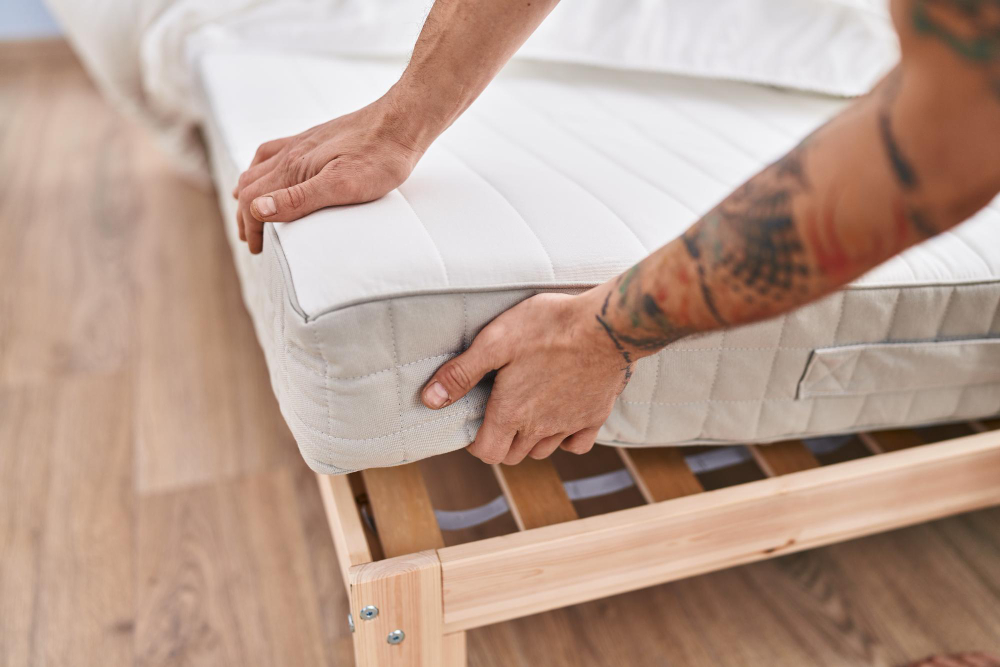
Running your hands slowly across the entire mattress surface reveals irregularities that may not be immediately obvious when lying down. Pay particular attention to edges and the areas where you sleep most frequently, as these zones experience greatest wear. Any noticeable unevenness or hardness variations signal that internal support structures have degraded beyond effective function.
Sleep Quality and Comfort Indicators
Waking with Pain or Stiffness
Morning discomfort that dissipates within 15-30 minutes of rising often indicates your mattress no longer provides adequate support for proper spinal alignment. Lower back pain proves particularly common, though shoulder, hip, and neck discomfort also signal support deficiencies. If you wake feeling stiff and sore more mornings than not, and this pattern has developed gradually over months or years, your mattress has likely reached the end of its effective life.
Contrast how you feel after sleeping in your own bed versus hotels, guest rooms, or other locations. If you consistently sleep better and wake more refreshed elsewhere, despite those mattresses not being particularly premium or new, this comparison strongly suggests your mattress contributes significantly to poor sleep quality. For comprehensive guidance on identifying when replacement becomes necessary, resources like a detailed mattress replacement guide provide valuable information about specific timeframes and warning signs across different mattress types.
Increased Restlessness and Sleep Disruption
Finding yourself tossing and turning throughout the night, constantly adjusting position in search of comfort, indicates your mattress no longer accommodates your body properly. This restlessness prevents deep, restorative sleep stages, leaving you feeling unrested despite spending adequate time in bed. Partners may notice increased movement, whilst sleep tracking devices often show fragmented sleep patterns with frequent brief awakenings.
Difficulty falling asleep despite feeling tired, or waking during the night unable to quickly return to sleep, can result from discomfort your conscious mind hasn’t fully registered but your body reacts to throughout the night. This subtle discomfort creates low-level stress that prevents proper relaxation and deep sleep, even when you’re unaware of specific pain or pressure points.
Hygiene and Health Concerns
Allergen Accumulation and Respiratory Issues
Mattresses accumulate dust mites, dead skin cells, allergens, and other particles over years of use despite regular cleaning efforts. Even with mattress protectors, this accumulation becomes significant after 7-10 years, potentially triggering or worsening allergies, asthma, and respiratory conditions. Increased morning congestion, sneezing upon waking, or unexplained respiratory irritation may indicate allergen levels in your mattress have reached problematic thresholds.
Whilst regular vacuuming and mattress protectors slow this accumulation, they cannot eliminate it entirely. Eventually, the sheer volume of accumulated allergens makes thorough cleaning impossible, and replacement becomes the only effective solution. If you’ve noticed worsening allergy symptoms despite consistent cleaning and air quality measures, your mattress may be contributing significantly to the problem.
Visible Staining and Odours
Despite best efforts at cleanliness, mattresses inevitably accumulate stains from perspiration, spills, and bodily fluids over years of use. These stains aren’t merely cosmetic—they indicate absorbed moisture that can foster mould and bacterial growth within mattress materials. Persistent odours that don’t respond to cleaning suggest organic matter has penetrated deep into the mattress where standard cleaning cannot reach.
Any musty, mildew, or unpleasant odours emanating from your mattress indicate moisture problems and potential mould growth that present genuine health risks. These conditions develop particularly readily in humid climates or bedrooms with inadequate ventilation. Once established deep within mattress materials, these contaminants prove virtually impossible to eliminate without professional treatment that often costs more than replacement.
Lifestyle Changes and Body Evolution
Weight Changes and Physical Condition
Significant weight gain or loss alters support requirements, potentially rendering previously comfortable mattresses inadequate. Bodies that have changed substantially may need firmer or softer support than when the mattress was purchased. Similarly, developing back problems, arthritis, or other physical conditions can necessitate different support characteristics than healthy, younger bodies required.
Age naturally changes our bodies’ comfort and support needs. A mattress perfect for your thirties may prove inadequate in your fifties as joint flexibility decreases and pressure point sensitivity increases. These evolving needs don’t indicate mattress defects but rather natural incompatibility between current physical requirements and existing support characteristics.
Relationship Status and Sleeping Arrangements
Adding a partner to sleeping arrangements previously accommodating only one person creates obvious size inadequacies, but also changes support and motion isolation requirements. Couples need mattresses minimising motion transfer so one partner’s movements don’t disturb the other. Single sleepers upgrading to shared beds should prioritise these features alongside adequate size for comfortable dual occupancy.
Conversely, transitioning from couple to single occupancy might make oversized mattresses impractical whilst also changing budget considerations and preferred mattress characteristics. Life changes including children, pets, or health conditions also influence ideal mattress specifications, potentially making perfectly functional mattresses unsuitable for changed circumstances.
Age and Expected Lifespan
Understanding Mattress Longevity
Most quality mattresses deliver optimal performance for 7-10 years, though this varies by construction type, quality, and usage patterns. Memory foam and latex mattresses often last slightly longer than traditional spring models, whilst cheaper mattresses typically deteriorate faster than premium alternatives. Regular rotation and proper foundations extend lifespan, whilst heavy use or poor support structures accelerate deterioration.
Even without obvious damage, mattresses lose performance gradually as support materials compress and resilience diminishes. A 10-year-old mattress may appear visually acceptable yet provide substantially degraded support compared to its original condition. This gradual decline makes recognising replacement needs difficult, as incremental changes don’t trigger obvious “this needs replacing” realisations that sudden breakage would.
The False Economy of Delaying Replacement
Continuing to use worn mattresses in hopes of extracting a few more years of service proves counterproductive when poor sleep quality impacts health, productivity, and quality of life. The modest savings from delaying replacement pale against costs of reduced workplace performance, increased healthcare needs from inadequate rest, and diminished enjoyment of daily activities due to fatigue. Viewing mattresses as health investments rather than furniture expenses helps justify timely replacement.
Moreover, accumulated poor sleep cannot be recovered—those nights of suboptimal rest represent permanently lost restoration opportunities. Whilst new mattresses require financial investment, the return in improved health, energy, and wellbeing typically exceeds the cost many times over. Prioritising sleep quality through appropriate mattress replacement demonstrates genuine self-care that benefits every aspect of life.
FAQ Section
How long should a quality mattress last?
Most quality mattresses deliver optimal performance for 7-10 years, depending on construction, quality, usage patterns, and maintenance. Premium mattresses with proper care may last slightly longer, whilst budget options typically deteriorate faster, sometimes requiring replacement within 5-7 years.
Can mattress toppers extend mattress life?
Toppers can improve comfort temporarily but cannot restore structural support to deteriorated mattresses. They’re best used on relatively new mattresses needing minor comfort adjustments rather than as solutions for worn mattresses requiring replacement. Toppers merely delay inevitable replacement rather than genuinely extending mattress lifespan.
Does rotating mattresses prevent deterioration?
Regular rotation distributes wear more evenly, potentially extending lifespan by preventing concentrated deterioration in specific zones. However, rotation slows rather than prevents inevitable wear. Once mattresses show significant deterioration despite rotation, replacement becomes necessary regardless of maintenance efforts.
Are expensive mattresses worth the investment?
Quality mattresses typically deliver better support, comfort, and longevity than budget alternatives. Given the importance of quality sleep and time spent using mattresses, premium options often prove excellent investments. However, expensive doesn’t automatically mean better—research specific models and prioritise proven performance over price alone.
Should I replace my mattress if I sleep well?
If you’re genuinely sleeping well and waking refreshed without pain, your mattress likely remains adequate despite age. However, verify you’re not simply accustomed to suboptimal sleep by occasionally sleeping elsewhere for comparison. Gradual deterioration can normalise poor sleep quality, making objective assessment difficult.
Conclusion
Recognising when your mattress requires replacement protects sleep quality and overall health by ensuring you rest on supportive, comfortable surfaces optimised for restorative sleep. The signs discussed—visible deterioration, declining comfort, morning pain, increased restlessness, hygiene concerns, and simple age—provide clear indicators that replacement has become necessary. Given sleep’s fundamental importance to every aspect of wellbeing, addressing mattress issues promptly rather than delaying replacement proves wise investment in your health and quality of life. Don’t allow gradual deterioration to normalise poor sleep that undermines your daily functioning and long-term health. By maintaining awareness of your mattress condition and responding appropriately to warning signs, you ensure consistently restorative sleep that supports optimal physical health, mental clarity, and overall life satisfaction. Your mattress represents one of your most important health investments—treat it accordingly through timely replacement when its effective life concludes.

