

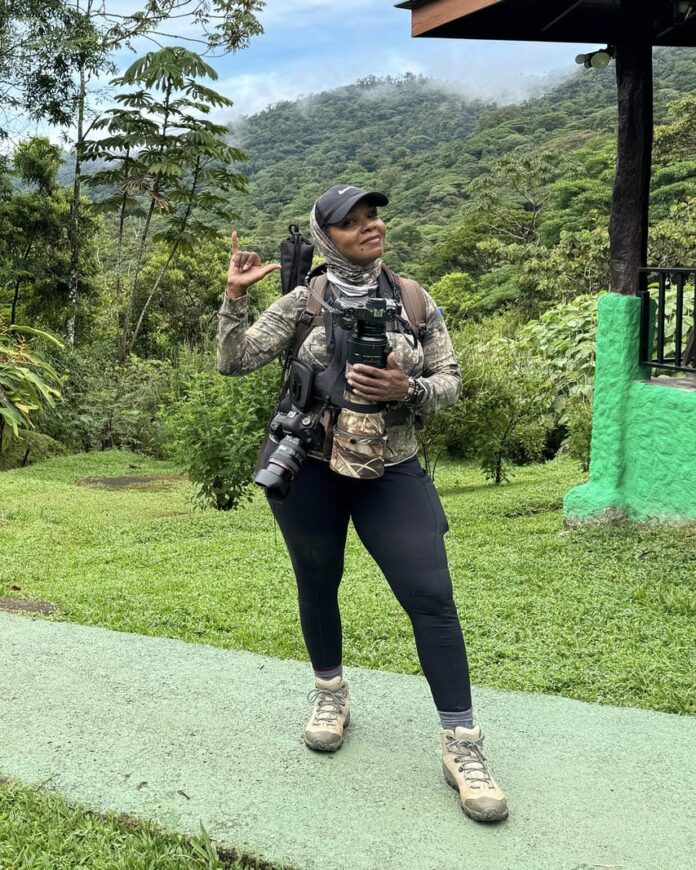
Born and raised in Cleveland, Ohio, Angela Ledyard’s journey into photography began in childhood, inspired by her grandparents’ passion for capturing life’s moments. She vividly recalls asking her grandfather to teach her how to use his camera—an experience that ignited a lifelong love for photography.
Over the years, Angela has explored a range of photographic genres, from portraits to weddings, yet her heart has always been drawn to the natural world. “To truly understand nature, there must be a connection,” Angela shares. “I love being outdoors. How else can you truly appreciate nature? Being outside brings me peace, joy, and a sense of presence.”
Today, Angela is an accomplished outdoor photographer specializing in nature, landscapes, birds, and wildlife. Her work has taken her across the United States—including Alaska and Puerto Rico—as well as internationally to Canada, Mexico, Peru, Costa Rica, and Spain. Most recently, she completed a 27-day solo road trip spanning 3,644 miles, focused on landscape and nature photography. Her passion for the outdoors extends beyond photography and into her daily life as a hiker, yogi, traveller, cyclist, and kayaker.
How did your journey into photography begin, and what were your early inspirations?
My journey into photography began in childhood, inspired by my grandparents’ love for documenting everyday life. My grandfather enjoyed photographing my grandmother. One day, I asked him to show me how to take her picture. That moment sparked not only my love for photography, but also an early understanding that images hold memory, connection, and responsibility—something that continues to guide how I photograph the world today.
What’s something you wish more people understood about photography?
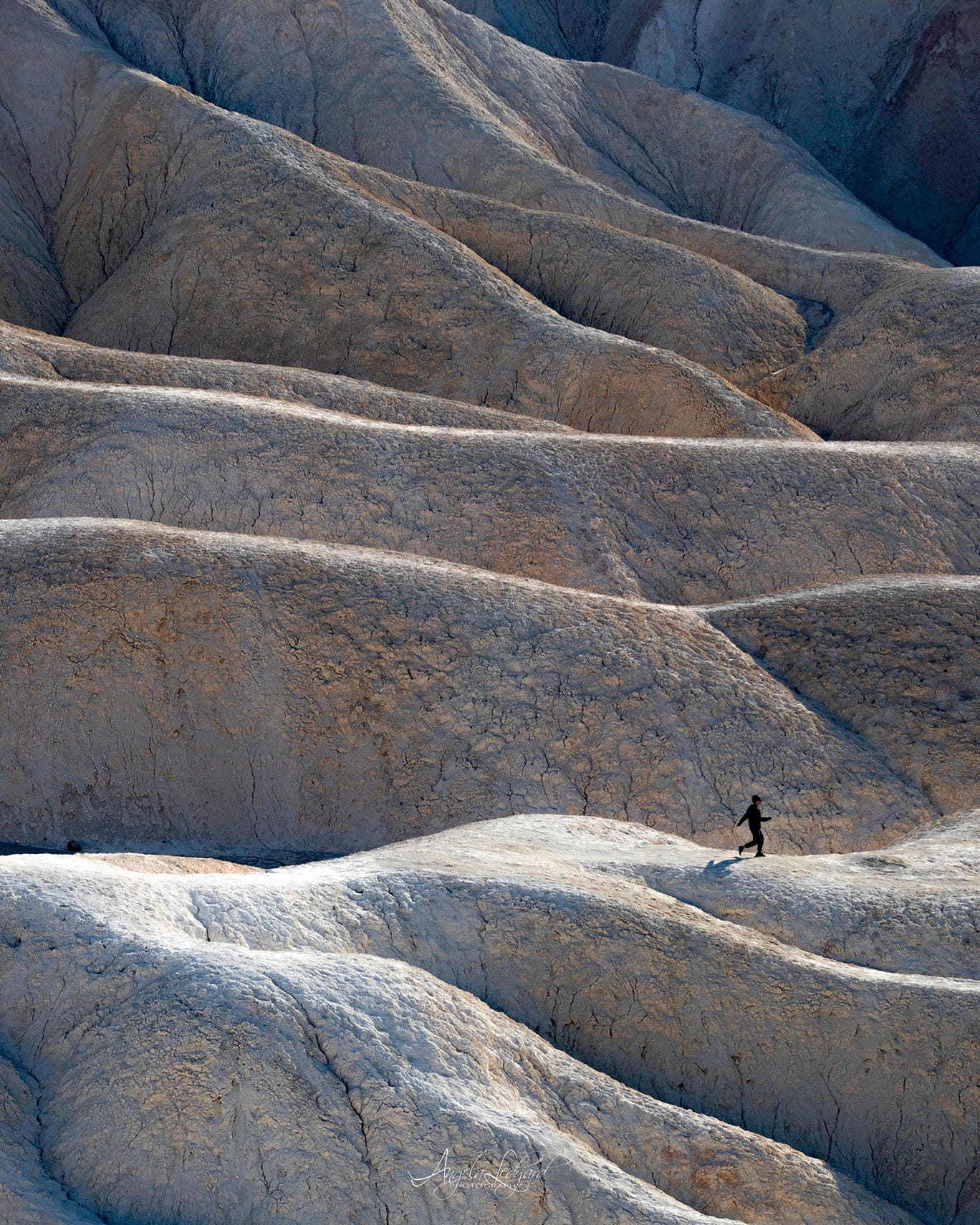
I wish more people understood that photography is deeply personal and carries responsibility. It’s the photographer using the camera as a medium to capture what draws their attention and shapes their perspective. Social media “likes” shouldn’t dictate a photographer’s style or creative direction. Photography is an art form, and when everyone chases the same visual trends, we lose authenticity—and with it, meaningful storytelling. Individual perspectives matter, especially when images have the power to influence how people see, value, and protect the world around them.
Earlier in your career you captured milestone events like graduations and weddings. What was that experience like, and what did you enjoy most about it?
Those experiences were fast-paced, challenging, and extremely demanding. I often had to navigate crowded spaces and compete with guests to capture meaningful moments. What I enjoyed most was seeing clients reconnect with meaningful moments through their images, reinforcing how photography can preserve experiences long after they’ve passed.
You call yourself a ‘hiketographer’, and your current work often focuses on nature, landscapes and wildlife. Why do you find natural environments so inspirational?
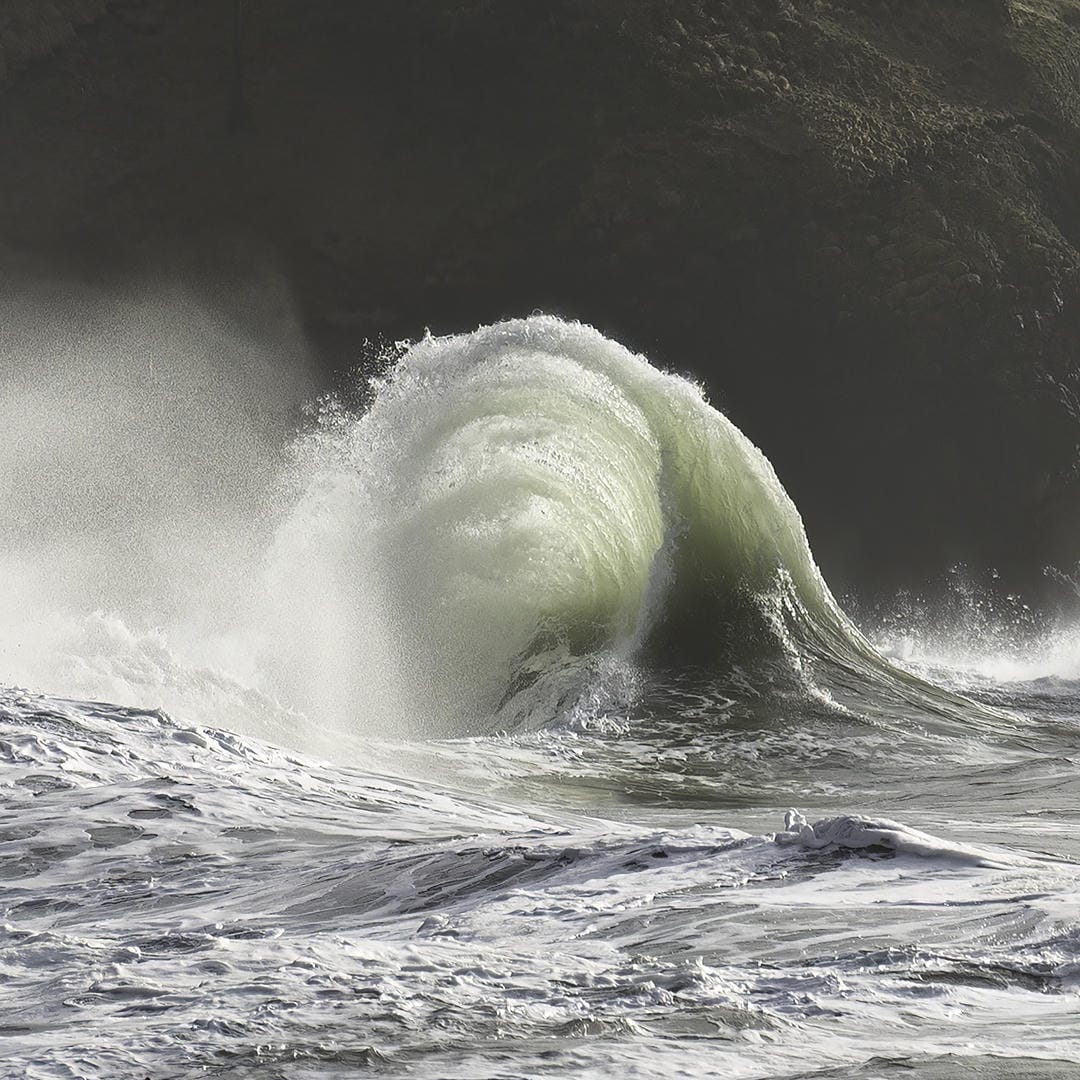
Nature is one of the most powerful teachers. No two moments outdoors are ever the same—light shifts, weather patterns change, and even the smallest details in a landscape or ecosystem evolve constantly. The more time I spend outside, the more I recognize how fragile and interconnected everything is.
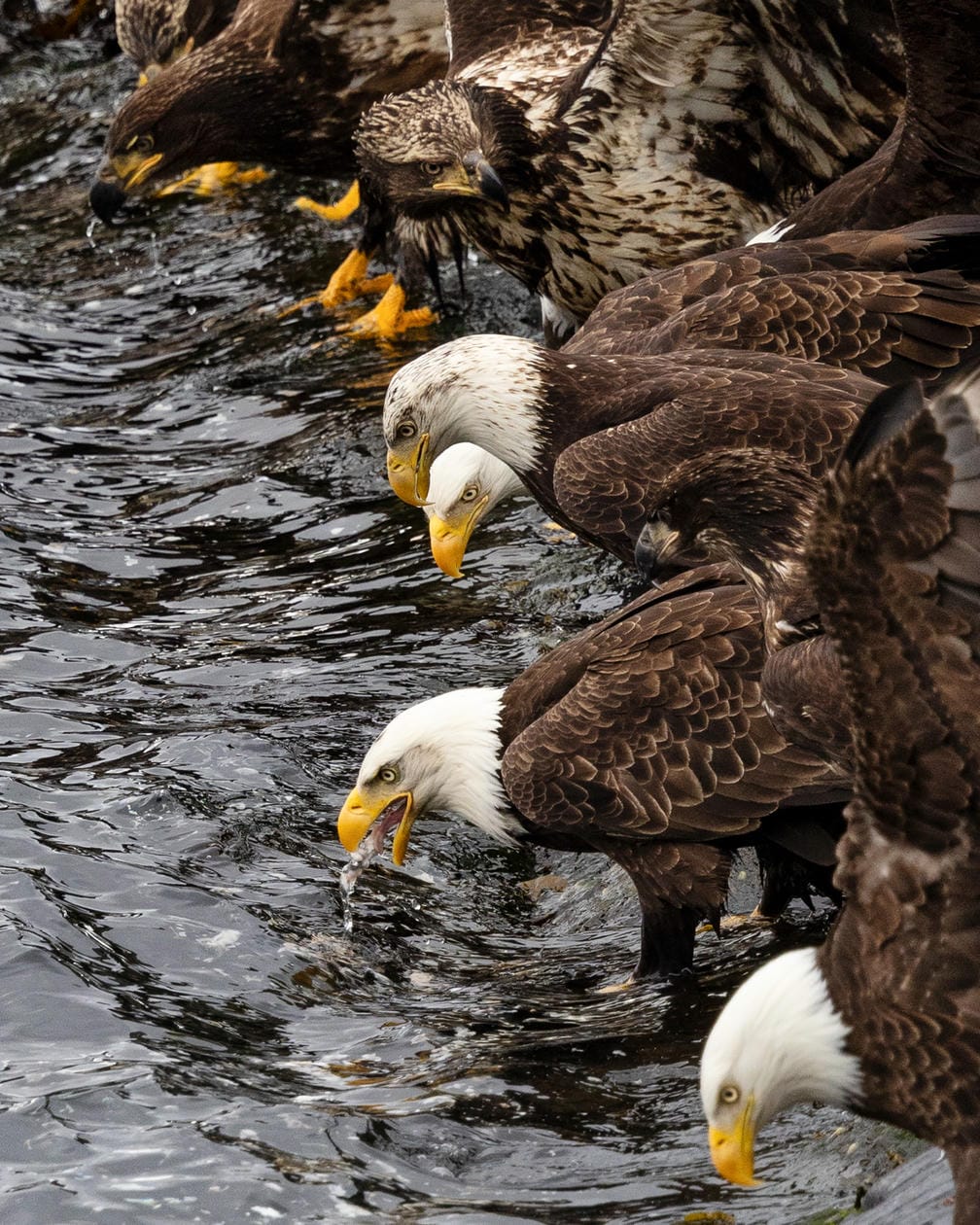
Wildlife photography, in particular, reinforces the importance of respect and conservation. Wildlife is unpredictable and should never be treated as entertainment or something meant to accommodate human presence. Animals are not Disney characters. Observing from a distance, minimising disruption, and allowing wildlife to exist on its own terms is essential. Those moments—when nature unfolds without interference—are what inspire me and reinforce why conservation and ethical photography practices matter.
Your photos help viewers connect intimately with species they may know little about—whether humpback whales, black bears, or crane flies. What do you hope people come to understand more deeply about other species through your work?
I hope my work encourages curiosity and deeper understanding. An image can spark interest, but learning about a species—its behavior, habitat, and challenges—is where real connection begins. Many species are experiencing population declines due to environmental changes and human impact, often unnoticed or misunderstood. By creating space for awareness, I hope viewers begin to see wildlife not as subjects to consume, but as living beings deserving of respect, protection, and thoughtful coexistence.
As the co-founder of Black Female Landscape and Nature Photographers, what impact do you hope your community work will have on the wider photography world?
I hope my community work broadens representation and reshapes narratives within outdoor photography. Black women do exist behind the lens in this genre, and our perspectives matter. By creating visibility, support, and shared knowledge, the goal is not only inclusion but long-term impact. By creating visibility, support, and opportunity, I want to challenge long-standing narratives and expand who is seen, valued, and celebrated in this genre.

