

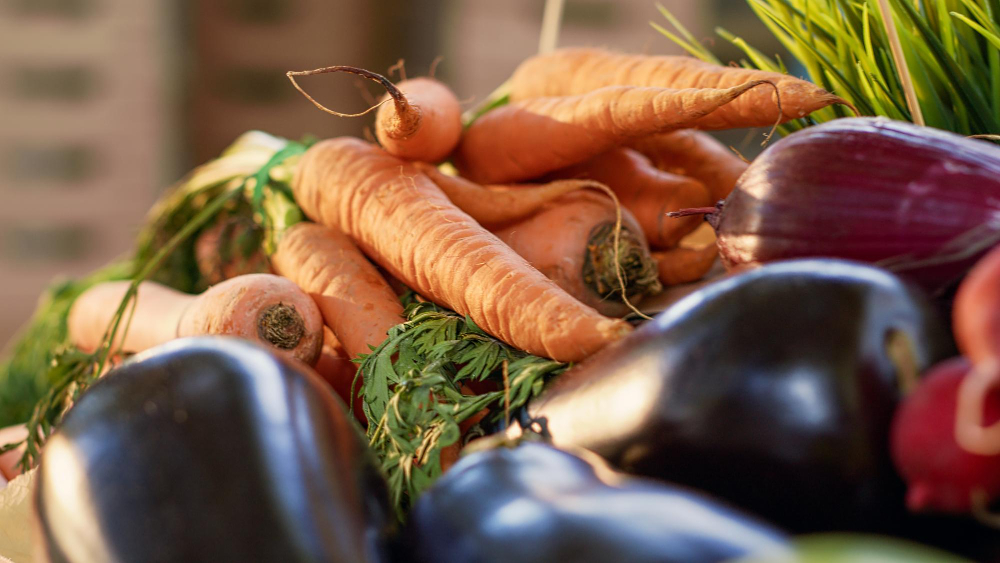
In today’s health-conscious age, more and more consumers are focused on feeding their families fresh produce. This trend has led to a massive surge in demand for fresh fruit and vegetables, organic produce, and farmers’ market offerings.
However, there is a critical aspect often overlooked by many in their quest for farm-fresh goodness: recall data. This information, which reveals which products have been pulled from the market due to safety concerns or violations, can be an invaluable tool in selecting the freshest, safest produce possible.
Research, But Don’t Judge Unduly
Before we dig too deep into this, it’s important to note that a past recall doesn’t necessarily mean a product can’t be trusted in the future. The producer is likely to have done everything in their power to rectify the issue and prevent it from recurring.
Sometimes recalls may have occurred due to issues outside the brand’s control (for example, products may have become contaminated long after leaving the brand’s supply chain). That being said, good, transparent recall information should always be provided – even if the brand has improved its processes or is not responsible for the problem.
For example, Taylor Farms recall information is widely and freely available, indicating honesty and transparency. Other brands may not be so honest, which is often more of a red flag than the recall itself.
The Role of Recall Data in Ensuring Safe Produce
Staying abreast of recall data is a good way to avoid risky products – especially for food vendors. For end consumers, knowing which products to avoid can help keep you safe and healthy.
For food businesses (for example, restaurants, pop-up food vendors, and so on), it’s even more important to know about recall notices from anywhere in your supply chain. If, for example, an ingredient you have used is recalled due to contamination, you will probably need to dispose of and/or thoroughly clean everything that ingredient has come into contact with, or you risk your food making people sick.
Commenting on Recall Transparency
So, following recall notices is important – but sometimes finding and interpreting recall data isn’t easy at all. Not all companies are transparent about their recalls, and the information may not be readily accessible to consumers. Additionally, the layperson may not understand the science behind food safety, leaving them unsure of the implications of a specific recall. To those struggling with these obstacles, fear not. Food safety organizations, as well as groups such as the FDA, provide easily digestible (no pun intended) information and details about the steps companies are required to take to rectify the situation.
The Risks of Ignoring Recall Data
Ignoring recall data can lead to grave consequences. Consuming adulterated foodstuffs leads to foodborne illnesses. At best, you might feel a little queasy for a while. At worst, you could be hospitalized, or worse. Paying attention to recall data and cleaning out your cupboards if anything you own has been recalled can slash your risk of contracting nasty illnesses.
Recall Data Supporting Responsible Consumerism
Apart from the health-related aspect, paying attention to recall data also contributes to responsible consumerism. Regularly investing in products from a manufacturing company that doesn’t seem to have learned its lesson about safety can indirectly encourage poor handling or negligence. Alternatively, supporting brands with a solid safety record and transparency about any recalls helps promote better habits industry-wide.
An Informed Consumer is a Healthy Consumer
Paying careful attention to recall data when purchasing fresh produce is more than just a shrewd move to ensure your personal health and safety. It’s a statement – a commitment to high standards of food production and a refusal to compromise on health and safety. So, the next time you find yourself wandering among the aisles of fresh fruits and vegetables, remember to arm yourself with knowledge. It’s your most potent weapon in the fight against foodborne diseases and a proactive strategy towards promoting overall food safety.

