

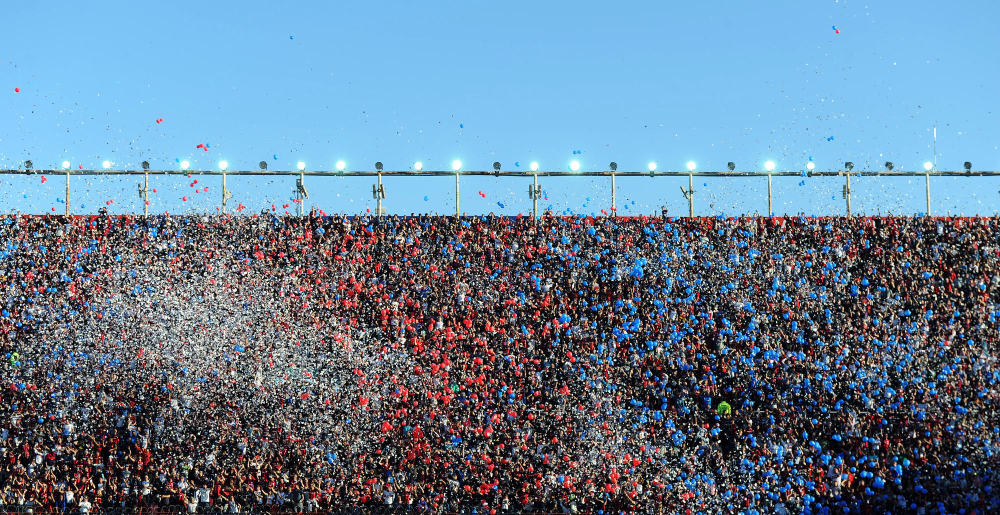
We have reached a point where passive entertainment feels a little outdated. We don’t just want to watch, listen, or scroll anymore. We want to be there while it’s happening and actually contribute something to the moment. Whether it is film, music, or gaming, creators are picking up real-time tools to pull their communities right into the creative process.
For a lot of artists, this isn’t really about technology. It is about changing how they create. These platforms let viewers change the ending, shift the mood, or steer the ship. You see this dynamic working well in formats like interactive live casino games, where real-time choices dictate the flow of the action. Those same ideas, the responsiveness, shared timing, and simply being present together are now shaping how musicians and storytellers connect with us.
Live music that adjusts to the crowd
Musicians have always fed off the crowd’s energy to decide what song to play next. Now, tools let that happen even when we aren’t in the same room. Livestreams are letting fans vote on arrangements or suggest changes on the fly. It mimics that in the room feeling but opens it up to anyone with an internet connection.
Electronic producers are even testing interfaces where fans can tweak the sound or trigger effects during the set. It stops being a one-way broadcast and becomes a loop between the artist and the audience. This helps bridge the gap between the perfection of the studio and the unpredictability of a live show. It feels collaborative, but the artist is still guiding the experience.
Film, TV, and interactive storytelling
This collaborative spirit is hitting storytelling, too. Filmmakers are sharing rough cuts earlier, letting dedicated fans weigh in on pacing or favorite scenes before the final edit is locked in. In gaming, it goes even further. Players are voting on character paths or shaping the world itself. It gives the audience a stake in the story without taking the wheel entirely away from the creator. Even digital theatre is adapting, with actors responding to live prompts, meaning no two shows are ever quite the same.
Art that embraces participation
The art world has been drifting toward participation for a while, but these tools accelerated the shift. Virtual exhibitions let us walk through spaces together, changing what we see as a group. Installations respond to how we move or how many of us are standing there. The audience isn’t just looking at the work; they are the variable that makes the work complete.
For the artist, the appeal is the unpredictability. You build the structure, but you let the people surprise you. It causes the work to adjust, often leading to outcomes the creator simply wouldn’t have reached alone. This doesn’t dissolve authorship. It expands it, giving the audience a chance to participate in a way that feels controlled yet genuinely expressive.
With more creators using real-time tools, the line between the performer and the participant is blurring. Audiences are actively shaping what they watch, hear, and explore now. The experience doesn’t just end when you consume the content; it continues because people are contributing to it. Creators are seeing this shift and finding new ways to engage communities that want to be part of the action rather than just observing it.

