

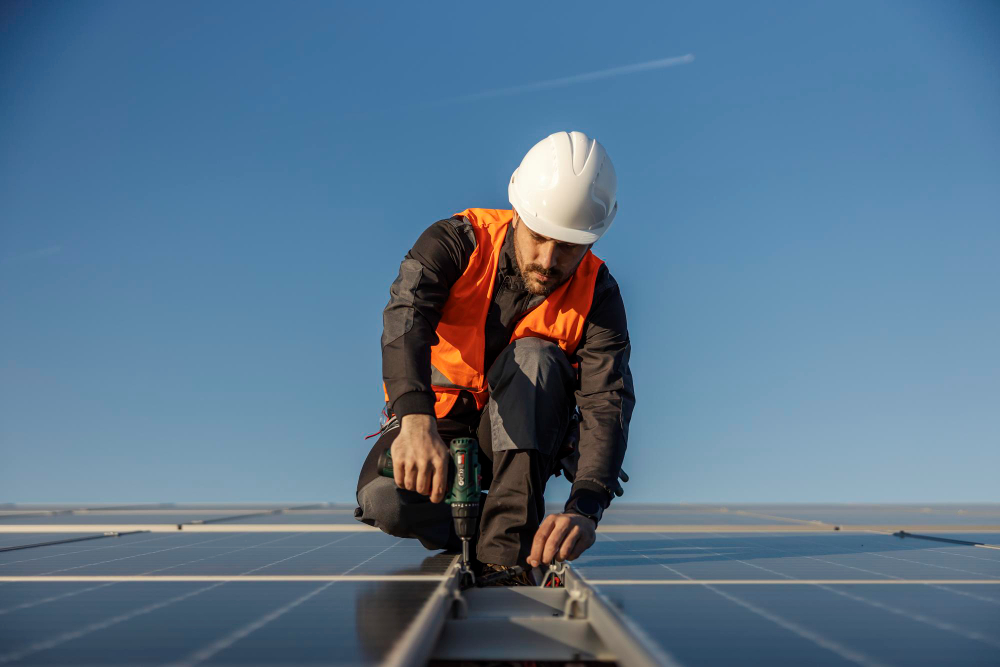
The simplicity of solar panels on rooftops appears to be deceiving. Once installed, they simply produce electricity while sitting quietly on your roof. However, there lies one of the most highly regulated systems in residential construction beneath the surface of this quiet operation. When considering if electricians may install solar panels for the U.S.-based consumer audience, the answer cannot be a “yes” or “no.”
The role of electricians in solar installations is critical, as well as their authority over the electrical components of a photovoltaic (solar) system; however, other regulatory and licensing authorities govern other aspects of solar installation such as the roofing, structural attachments, and connections to public utilities. Each of these areas has specific regulations, requirements, and inspections which must be followed. This knowledge will determine when an electrician’s authority commences and concludes, thereby determining a successful inspection versus a costly remediation. That’s why using electrican guides by platforms like Electrical Path is essential.
Who Can Legally Do Work as an Electrician
In virtually all U.S. states, licensed electricians can be fully responsible for the electrical aspects of a solar installation. That’s a significant piece of work. As such, it will be examined most closely by inspectors and utilities.
Electricians are generally allowed to:
- Install and connect DC and AC wiring (including termination)
- Install string inverters, micro-inverters, and hybrid inverters
- Connect PV Systems to a Main Service Panel
- Install disconnects and rapid shutdown devices
- Perform NEC-compliant grounding and bonding
- Determine acceptable backfeed limits and busbar ratings
- Upgrade Service Panels when needed due to increased solar loads
All of the above are governed by the National Electrical Code (NEC) in Articles 690, 705, and 710, dependent upon how the solar system is designed. If any aspect of the electrical system fails inspection, the entire solar system will remain off line.
From a regulatory standpoint, electricians are the foundation of any legitimate solar project.
When Do Electricians Usually Encounter Restrictions?
Once a solar job touches the roof, the limitations placed on electricians expand significantly.
Typically, electricians are prohibited from doing the following:
- Drilling or penetrating roofing material
- Installing flashing or waterproofing systems
- Securing racking to rafters or truss members
- Modifying the roof structure or deck
- Certifying the weather-tightness of the system
These functions are generally subject to regulations regarding roofing or general contractor licenses. Even if an electrician has the technical capability to complete the task, inspectors can and do fail solar installation jobs based solely on whether or not the installing company has the correct classification for the function being performed. That’s why there is a shortage of solar panel installers.
That is why many solar companies divide their crews between roof teams (to install the mounting equipment), and electricians (who handle all the components carrying current).
State & Local Rules Matter
Solar permitting across the United States varies greatly. State laws provide a minimum level of requirements, but local AHJs (Authorities Having Jurisdiction) ultimately decide what is permitted and what is not.
Therefore, in practical terms, what one county allows an electrician to install racking, another county may not; what one county requires a solar contractor or general contractor to perform, another county may not require. Utility requirements may be more stringent than building department requirements.
A few states have solar-specific licenses. Other states permit electricians to install solar as part of their electrical license, and other states classify solar as a type of general contractor work.
There is no single national standard that supersedes local jurisdictional standards.
Prior to pulling permits, electricians who plan to offer solar installs should contact the local building department to determine what requirements exist.
Why Certification Fills the Knowledge Gap
Certification documents an electrician’s ability to understand solar. Licensing determines what an electrician is permitted to perform.
Numerous electricians become certified through NABCEP, which specializes in Photovoltaic (PV) systems. Although certification is not generally required in most jurisdictions, it is commonly accepted by inspectors, utilities and commercial customers.
NABCEP courses cover:
- Design and layout of PV systems
- NEC code compliance relating to solar
- Safety considerations unique to PV arrays
- Commissioning and testing of the solar array system
For electricians transitioning to solar installation services, certification often results in fewer inspection delays and greater approval rates.
Utility Interconnection is Another Challenge
Clearing a building inspection does not necessarily indicate that the system can be energized.
Each utility requires its own approval process, which may include:
- One-line diagram
- Equipment specifications (cut-sheets)
- Qualifications of the installer
- Adherence to anti-islanding and backfeeding rules
Due to service upgrades or meter changes, electricians are well-suited for this phase. In some cases however, utility companies may require the installer of record to be either a solar contractor or a general contractor, not simply a licensed electrician.
Failure to comply with utility requirements may result in delayed activation of the solar array system for weeks.
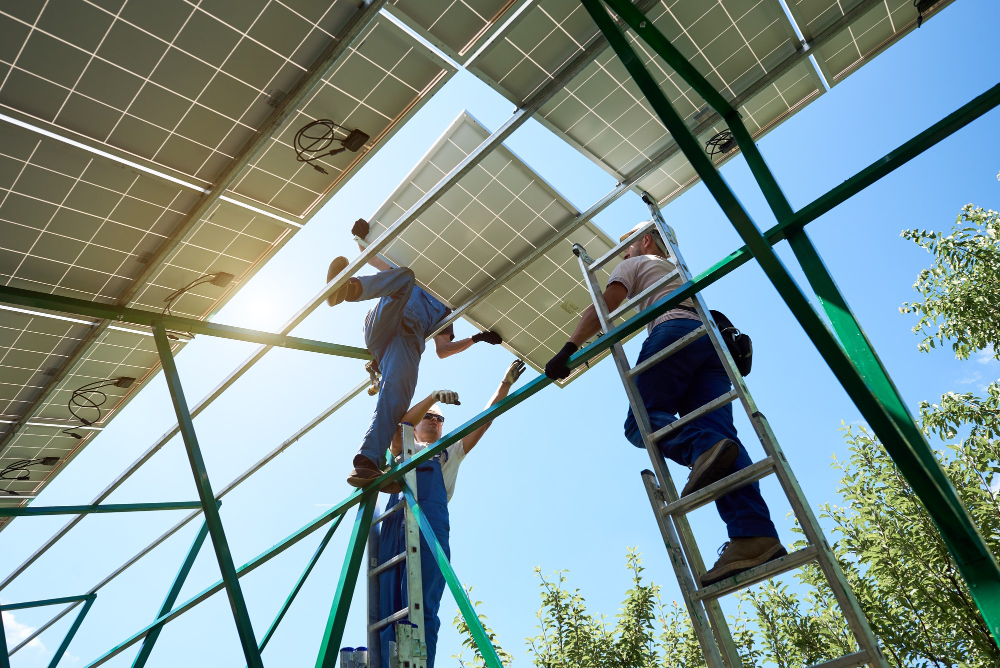
Commercial vs Residential Installations
Due to the relatively limited nature of residential solar installations compared to commercial solar installations, electricians may have more latitude in commercial solar installations.
Commercial solar systems often employ:
- Flat rooftops
- Ballasted racking with fewer roof penetrations
- Engineered designs for mounting the racking
As a result, electricians can work with engineers and general contractors and still maintain a broader scope of authority.
Residential solar systems, on the other hand, are restricted by roof penetrations, homeowner safety regulations, and local regulatory oversight.
So, Can Electricians Install Solar Panels?
Yes. Electricians can legally design and commission the electrical portions of a solar array system, and no solar system will succeed without that expertise.
However, in virtually all U.S. jurisdictions, electricians cannot install a full solar installation alone unless they also possess the necessary licenses for roofing or contractor work, or are working in concert with individuals possessing the correct licenses.
Real-world solar projects are almost universally structured as follows:
- Roof or mounting installation performed by licensed roofing or solar contractors
- Installation and sign-off of electrical systems by licensed electricians
- Final approval provided once both the building and utility inspections are completed
Solar is not merely electrical work. It is a collaborative trade effort, and electricians are among the most essential contributors to ensuring the solar array system is safe, compliant, and functional. With this in mind, let’s remember that renewable energy is key to our future.

