

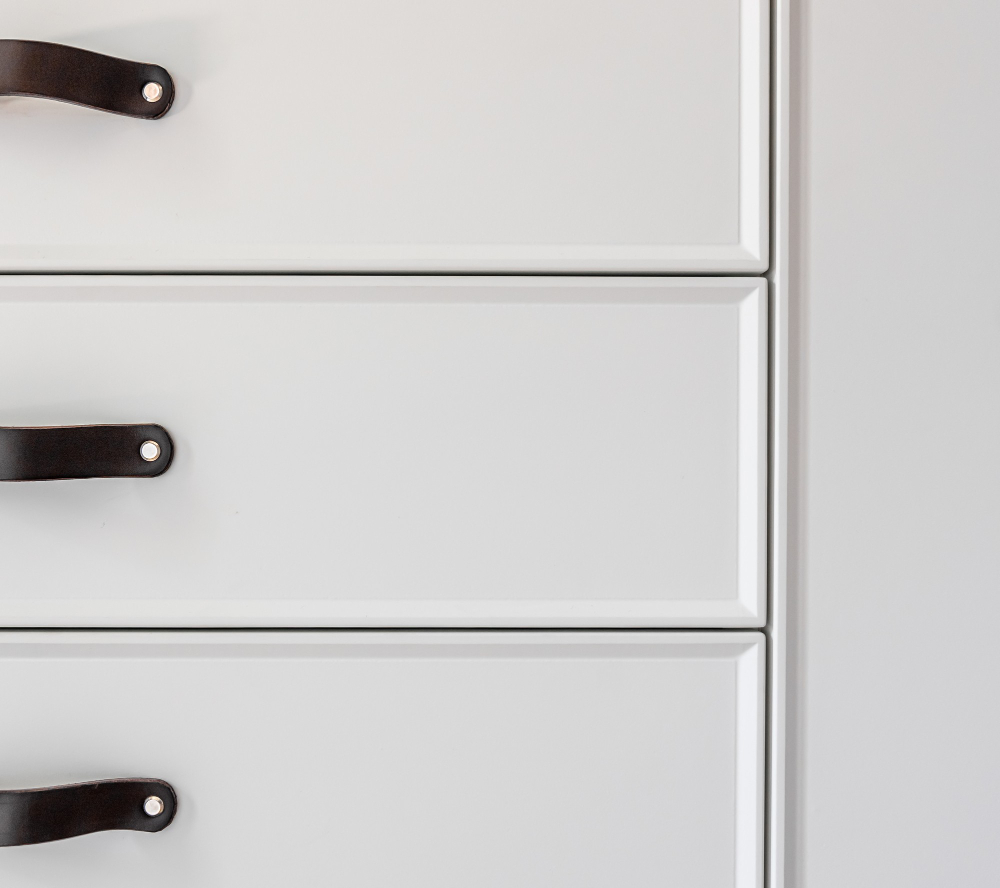
Cabinets that come ready to assemble are in demand because they are often easier on the pocketbook. But transporting these cabinets is something that has to be done with special attention. Damage prevention translates to time and money saved by careful handling. Whether moving across town or across the country, following best practices for transport protects your investment.
By taking the proper steps, cabinets will be delivered successfully, as well as kept in great condition. RTA cabinets require careful planning and execution to ensure they arrive at their destination in perfect condition. Here’s a comprehensive guide to help you transport your cabinets safely from start to finish.
Preparation Is Essential
Disassemble each cabinet as instructed by the manufacturer, just before transport. Label each piece, and keep parts together in separate, labeled bags. This organization makes sure that the reassembly process is going to be easier later on. Wipe down all individual parts (to eliminate dust and refuse that might scratch things during the move). Add a layer of protection against bumps and scratches with some bubble wrap or foam sheets.
Choosing the Right Packing Materials
Proper packaging materials are also an important factor in protecting the cabinet parts. Cardboard boxes, bubble wrap, and moving blankets that are of the best quality provide a large level of protection. Foam or hard cardboard corner guards protect the easiest-to-get-at edges. Wrap larger items so they do not fall over or get damaged using stretch wrap. For smaller hardware, place them in a sealable bag to minimize misplacement while in transit.
Safe Disassembly Practices
Before you pull that thing apart, make sure you do it carefully so as not to put excessive strain on the cabinet components. Make sure to use the appropriate tools so as not to damage screws or fasteners. Separate tags for furnished hardware in containers. You can take pictures of each step, which helps with the reassembly later on. Do not force the pieces apart; the pressure will cause cracks or chips. Wrap each fragile trim or each glass panel separately, as it requires additional care handling.
Efficient Packing Techniques
Properly crating cabinet pieces in boxes ensures they cannot shift about and potentially become damaged. Stack heavier panels downward with padding in between layers. Bundle together smaller things like handles and drawer slides, and wrap them properly. Do not exceed the weight limits of boxes; placing too much weight damages sensitive parts. Label every box with its contents and where you want to unpack it.
Securing Cabinets for Transport
Moving boxes should be tightly packed inside a moving vehicle after being packed. Use straps or ropes to secure the cargo area during transportation. Do not store boxes on their side, and do not stack any heavy items on top of more fragile cabinet parts. According to the U.S. Department of Transportation, proper cargo securement is essential for the safe transportation of household goods. Whenever possible, keep these boxes in one section of the vehicles to eliminate motion. There are plenty of stops in between to reassess and see if anything has moved or settled.
Caring for Finished Surfaces
Cabinet surfaces that are finished are especially sensitive to scratches and dents. Put every painted or stained panel inside a soft, non-abrasive type of material. Never use plastic directly against finished surfaces, as plastic traps moisture and can cause damage. For further protection, cardboard sheets are packed between the panels. Lift panels during loading and unloading, instead of sliding them, to avoid marks.
Unpacking and Inspection
When you get there, unload the boxes one by one and examine them for signs of these visible damages. Open packages in a clean, dust-free area to avoid contaminating cabinet finishes. Refer to the photos taken while disassembling the PC to set it up again. Before starting the reassembly process, make sure to meticulously arrange all your pieces and hardware, mark off what you already have, and remain vigilant for any parts that may have been lost or damaged during the process.
Tips for Stress-Free Reassembly
You’ll find that you have a clear path to follow during the reconstruction phase, making reassembly much simpler. Sort all hardware and group cabinet pieces by size and type. Carefully follow the directions of the manufacturer, referencing past labels and photographs as necessary. Use the right tools and do not overtighten screws; otherwise, holes can be stripped, or panels cracked. Allow time to check that every joint is secured before bringing the cabinet into position.
Conclusion
It is important to safely transport the cabinets ready to assemble, so this process requires preparation, organized packaging, and attention during transit. These are the steps that everyone can take to protect their investment and make the move as seamless as possible. Mindful processing and careful planning will ensure cabinets are looking their best just in time for installation into their forever home.

