

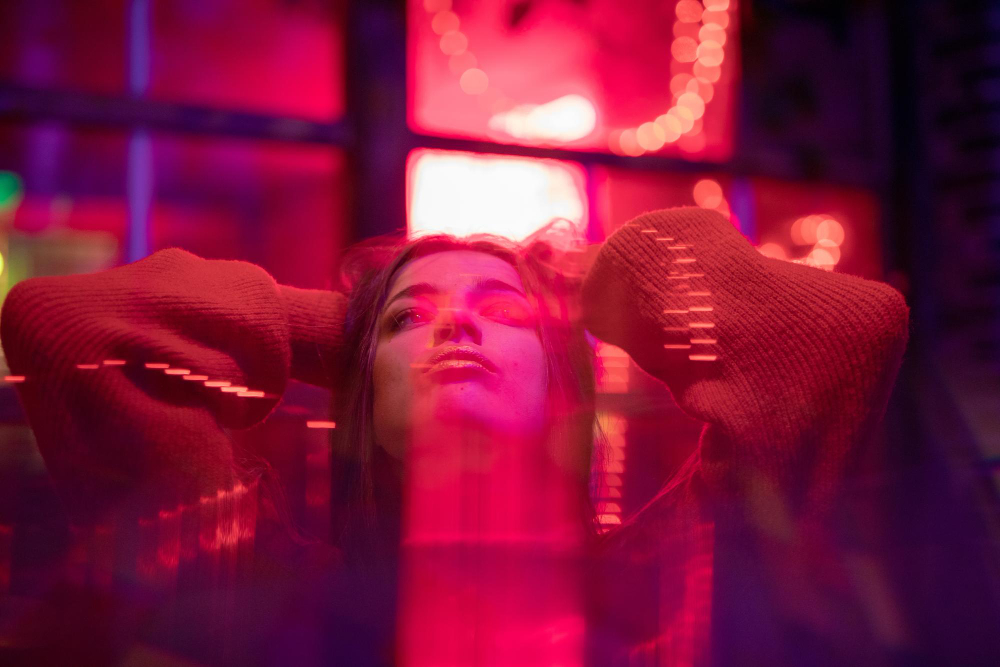
Nightlife hasn’t vanished. It has changed its volume. In many cities, the most compelling social spaces are no longer the loudest or the most crowded. Instead, they are the ones that feel deliberate—rooms designed for presence rather than spectacle, places where people linger instead of rush. Modern lounge culture has emerged from this quiet recalibration, offering environments shaped by music, atmosphere, and shared ritual rather than pure intensity.
This shift reflects a growing cultural fatigue with constant stimulation. After years of hyper-connected living—screens demanding attention, feeds refreshing endlessly—there’s a renewed desire for spaces that slow time. Lounges, in their contemporary form, answer that need. They don’t compete with the outside world’s noise; they counter it.
Music sits at the center of this evolution, though not in the way nightlife once framed it. In modern lounges, sound rarely dominates. Instead, it acts as structure. Curated playlists move deliberately, allowing conversations to unfold naturally. Jazz melts into ambient tones, downtempo rhythms replace urgency, and silence is no longer treated as absence but as part of the composition.
This restraint reflects a broader cultural shift toward intentionality. Increasingly, expression is found not in excess but in omission. Music becomes less about filling every moment and more about guiding the emotional tempo of a room.
This restraint mirrors broader shifts in contemporary culture, where meaning is increasingly shaped by what is left unsaid, recent cultural writing on how modern culture values negative space suggesting that openness and pause can be as expressive as constant stimulation.
Atmosphere completes what music begins. The most memorable lounges are rarely defined by any single feature, but by how their elements work together. Lighting is warm and layered, never interrogative. Furniture encourages proximity without forcing interaction. Materials feel tactile and lived-in. These choices communicate something essential: this is a place meant to be occupied, not consumed.
Within these environments, ritual emerges naturally.
Ritual, here, doesn’t imply rigid tradition or ceremony. It takes shape through repetition and shared understanding. The way a room fills slowly over the course of an evening. The rhythm of ordering and waiting. The comfortable pauses that punctuate conversation. These patterns give structure to social time, making interactions feel grounded rather than fleeting.
One of the most enduring rituals in lounge spaces is the presence of hookah—not as novelty, but as social anchor. Its preparation requires patience. Its rhythm resists urgency. It creates a shared focal point that doesn’t demand constant engagement. In many lounges, hookah functions less as an activity and more as a tempo, shaping the pace of interaction without dominating it.
Because of this, hookah has remained relevant even as trends cycle rapidly around it. It fits naturally within spaces that value duration over immediacy. Platforms like Hookah Vault have quietly documented how these rituals adapt across regions and generations, tracing the aesthetic and cultural threads that connect modern lounge environments to older traditions of communal gathering.
What’s striking is how consistent this sensibility has become across borders. From Berlin to Barcelona, Los Angeles to Tokyo, contemporary lounges share a common language. The details vary—musical influences, design references, local customs—but the intent remains recognizable. These are spaces designed to hold people, not move them along.
This universality points to something deeper than trend. As social interaction becomes increasingly mediated by digital platforms, physical spaces that prioritize presence take on greater significance. Lounges offer a form of analog relief. They allow people to connect without metrics, without performance, without the pressure to document every moment.
Music plays a critical role in this experience not only as sound, but as memory. Certain songs become inseparable from certain rooms, certain nights, certain conversations. Over time, lounges accumulate emotional residue. A melody heard elsewhere can instantly recall a space once occupied, a feeling once shared. In this way, lounges become cultural archives—repositories of lived experience rather than physical artifacts.
Modern lounge culture also reflects a redefinition of nightlife itself. The old binary between “going out” and “staying in” has softened. Lounges borrow from domestic intimacy while remaining public spaces. They offer sociability without chaos, engagement without exhaustion.
This middle ground is where ritual thrives. When spaces are neither rushed nor static, people settle into them. Conversations deepen. Time stretches. The evening becomes something to inhabit rather than endure.
None of this suggests that louder, faster nightlife has disappeared. It continues to exist, and always will. But the growth of lounge culture signals a parallel desire—one rooted in balance. Not every social experience needs to peak. Some are meant to unfold.
By prioritizing music that guides rather than commands, atmospheres that invite rather than impress, and rituals that slow rather than accelerate, modern lounges are reshaping how people gather after dark. They offer a quieter richness—one defined by attention rather than intensity.
Perhaps that is why these spaces resonate so strongly now. In a culture saturated with immediacy, lounges remind us that meaning often emerges in the margins: in pauses, in shared silence, in moments that are allowed to breathe.

