

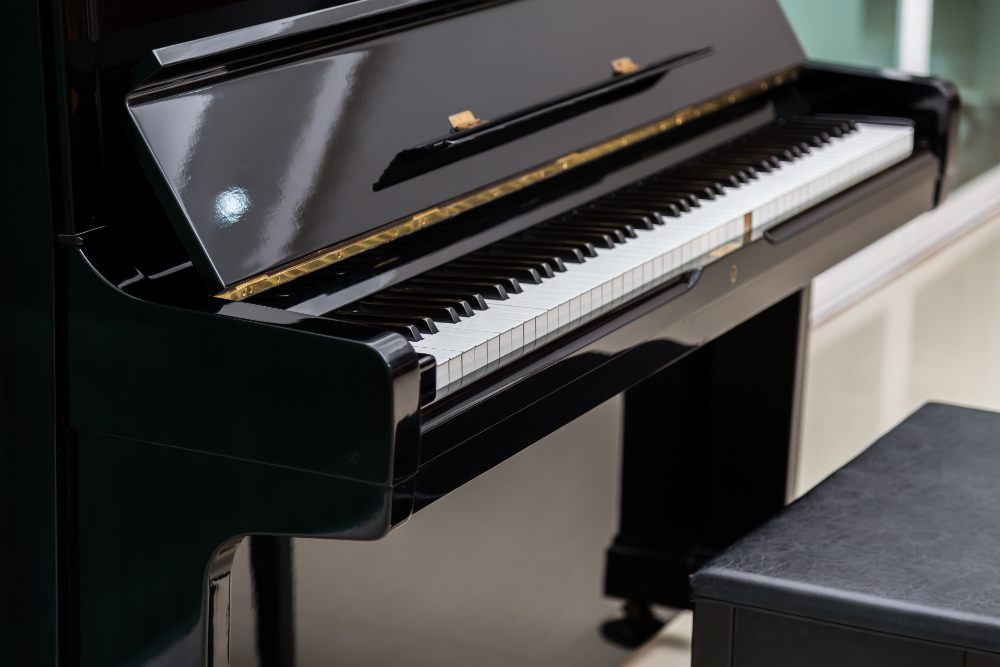
Choosing a professional performance instrument, whether for your home studio or a concert stage, can be daunting. The journey involves more than just aesthetic appeal or price; it’s about finding an instrument that resonates with your musical vision and technical requirements. This guide explores key factors and considerations to help you make an informed investment in acoustic excellence.
Understanding Your Needs: Home Versus Stage
Before exploring the world of esteemed piano sellers, it’s crucial to define where and how the instrument will be used. Home pianists may prioritize an instrument that fits comfortably in their living space, with a tone that complements intimate gatherings. In contrast, stage performers require robust projection, reliability under pressure, and often portability. Clarifying your main environment helps narrow down your choices and ensures you select an instrument tailored to your lifestyle and performance needs.
Evaluating Instrument Quality: Key Considerations
When investing in a professional instrument, craftsmanship and material quality are paramount. Examining the construction, from the wood selection to the action mechanism, reveals much about durability and sound character. For instance, solid spruce soundboards and quality felt in hammers contribute to tonal richness and longevity. Check for evenness in touch and responsiveness, as professional musicians depend on consistency during demanding performances.
Acoustic Performance: Size and Sound Projection
The physical size of an instrument, especially in pianos, significantly influences its acoustic capabilities. A concert grand or semi-concert grand offers greater resonance and dynamic range, making it ideal for large venues. However, for home use, a baby grand or high-end upright may be suitable. Evaluate the room’s acoustics and ensure the instrument can project adequately without overpowering or being lost in the space.
Exploring Iconic Brands and Models
Certain piano brands are synonymous with excellence, offering instruments that consistently meet professional standards. Among these, the bosendorfer piano for sale represents a pinnacle of European craftsmanship, known for its unique tonal warmth and extended bass. Exploring such iconic options allows musicians to compare tonal personalities and mechanical nuances, ensuring the chosen instrument aligns with both their artistic preferences and technical demands.
Essential Checklist for Selecting a Professional Instrument
Selecting the right instrument involves a series of deliberate steps. Use this checklist to guide your process:
- Identify your primary performance setting (home, stage, studio)
- Assess room size and acoustics
- Determine your preferred tonal character (warm, bright, balanced)
- Test action and key responsiveness
- Examine craftsmanship and materials
- Compare reputable brands and models
- Seek professional advice and play multiple instruments
- Consider ongoing maintenance and support
This systematic approach helps mitigate common pitfalls and ensures your investment stands the test of time.
The Role of Concert Grand Pianos in Performance
For serious performers, the allure of a piano concert grand cannot be overstated. These instruments are engineered for optimal sound projection and expressive depth, often featuring advanced action mechanisms and larger soundboards. While their size and price may limit their suitability for smaller spaces, their presence on the concert stage is unmatched, offering artists the expressive range needed for complex repertoire and dynamic interpretation.
Balancing Budget and Long-Term Value
While premium instruments represent a significant financial commitment, considering long-term value is essential. High-quality instruments tend to retain their value better and often require less frequent repairs. Factor in ongoing maintenance costs, such as tuning and regulation, to avoid budget surprises. For many musicians, the enhanced playing experience and reliability justify the investment over time.
Personal Audition: Trusting Your Ears and Hands
No amount of research can substitute for a personal audition. Spend time playing various instruments, paying close attention to tonal color, key weight, and dynamic responsiveness. Bring your own repertoire to test how the instrument responds across different styles and registers. Trusting your own senses ensures a genuine connection between you and your chosen instrument.
Conclusion
Selecting a professional performance instrument for your home or stage is a journey defined by personal taste, practical needs, and an understanding of acoustic excellence. By considering factors such as environment, build quality, tonal characteristics, and trusted brands, you can make an informed investment that enriches your musical journey. As technology and craftsmanship continue to advance, musicians are empowered with more options than ever, making it possible to find an instrument that truly inspires for years to come.

