On 17 January 2026, the High Seas Treaty entered into force, marking a historic milestone in global ocean governance. Following nearly two decades of negotiation and reaching the required 60 ratifications in 2025, this is the first legally binding international framework for the conservation and sustainable use of biodiversity in international waters, which make up the vast majority of the world’s oceans.
Over 80 countries and the European Union are now bound by the agreement, reflecting growing support for stronger ocean protection. While there’s cautious optimism that this framework will help address pressures such as overfishing, pollution and habitat degradation by enabling tools like marine protected areas and environmental impact assessments, the treaty’s effectiveness will depend on robust implementation and follow-through at national and international levels. Notable states — including the United Kingdom — have signed but not yet ratified the agreement, meaning they are not yet legally bound by its provisions.
As nations begin negotiating the details of enforcement and implementation mechanisms, Our Culture has selected four striking paintings that capture the ocean’s boundless beauty and remind us why sustained protection matters.
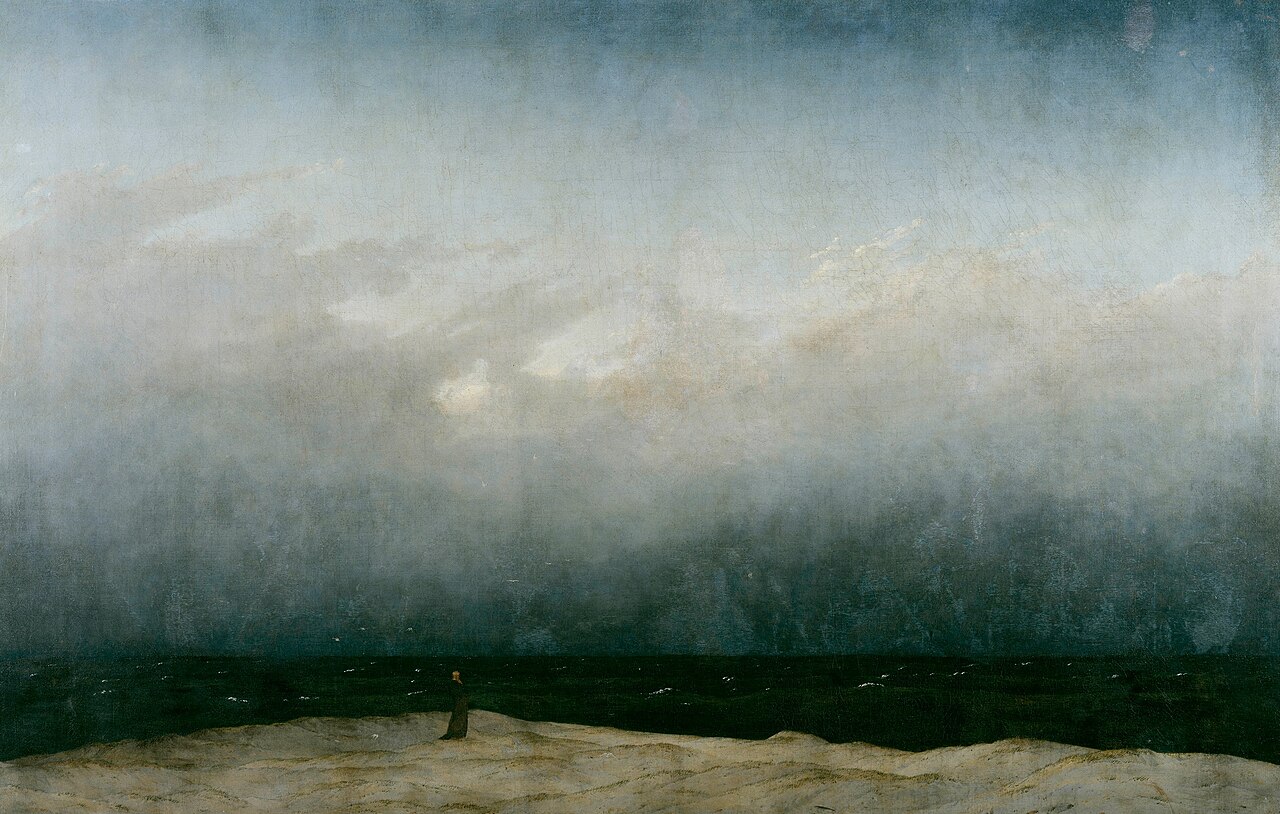
The Monk by the Sea by Caspar David Friedrich (1810)
In Friedrich’s oil painting of a monk on a barren shore, the water lies eerily calm beneath an oppressive sky. Darkness dominates the vision, creating an atmosphere where something terrible feels perpetually imminent. The work was controversially minimalist as Friedrich had originally painted ships on the horizon but removed them, creating a composition so stark that contemporary viewers found it disturbing.
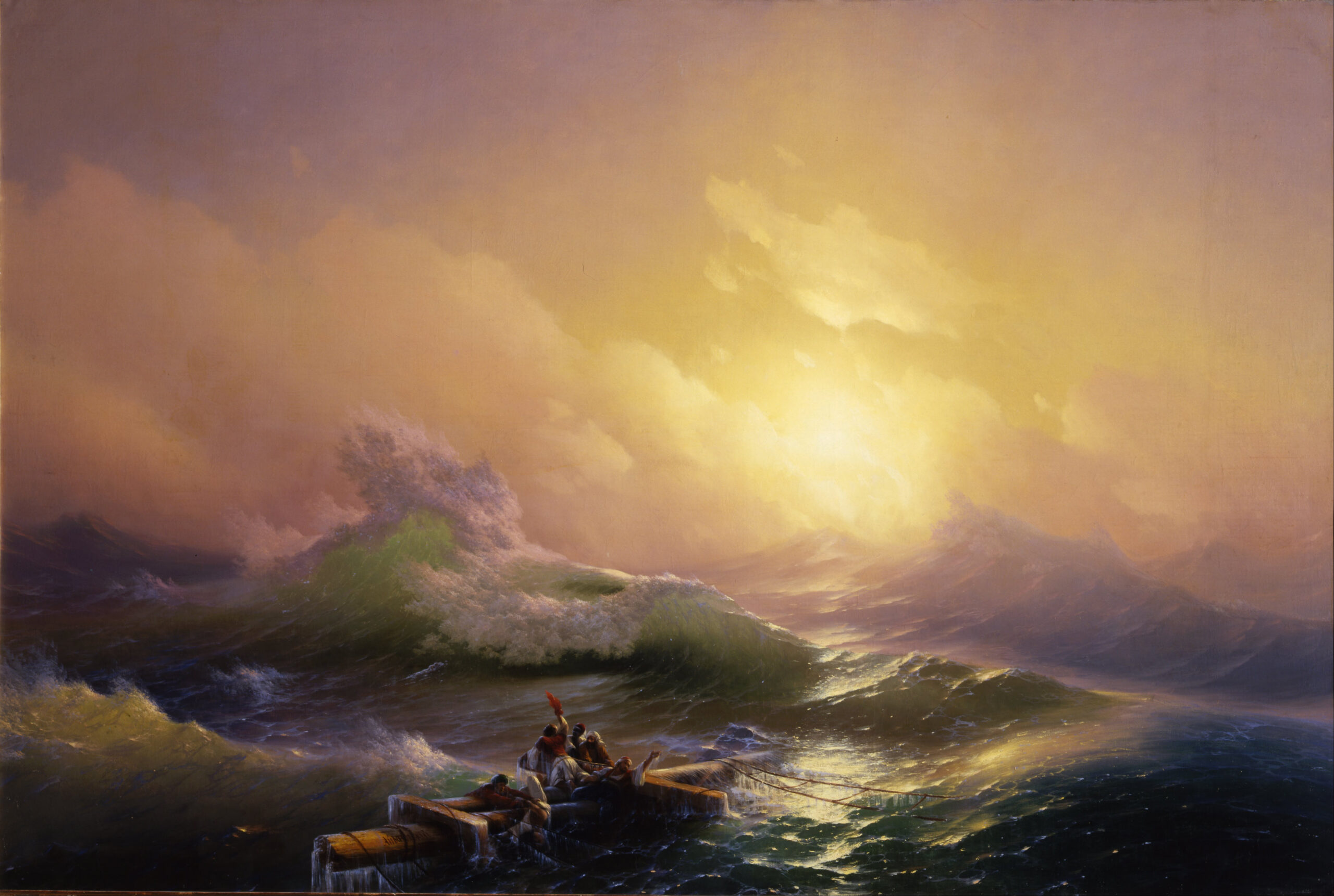
The Ninth Wave by Ivan Aivazovsky (1850)
Aivazovsky’s ocean pulses with character, spelling out nature’s unfightable power. The title references an old sailing superstition: the ninth wave in a sequence is the largest and most destructive. Here, shipwreck survivors cling to debris, notably shaped like a cross, after a violent night storm, while dawn’s warm light breaks through the darkness. The moment captures both the ocean’s terrifying might and the fragile possibility of rescue.
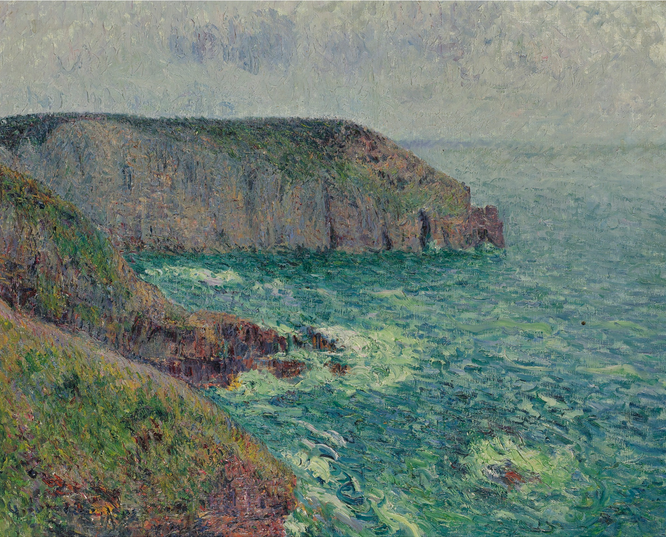
La Pointe du Jars, Cap Fréhel by Gustave Loiseau (1904)
In an entirely different mode of painting, the interlaced brushwork of Loiseau’s La Pointe du Jars, Cap Fréhel creates an inviting, soothing depiction of a turquoise sea that begs to be swum in. Rocky cliffs and headlands occupy the left area of the painting, while Loiseau’s distinctive staccato-like brushstrokes create a vibrating colour structure that lends the water a particularly shimmery quality.
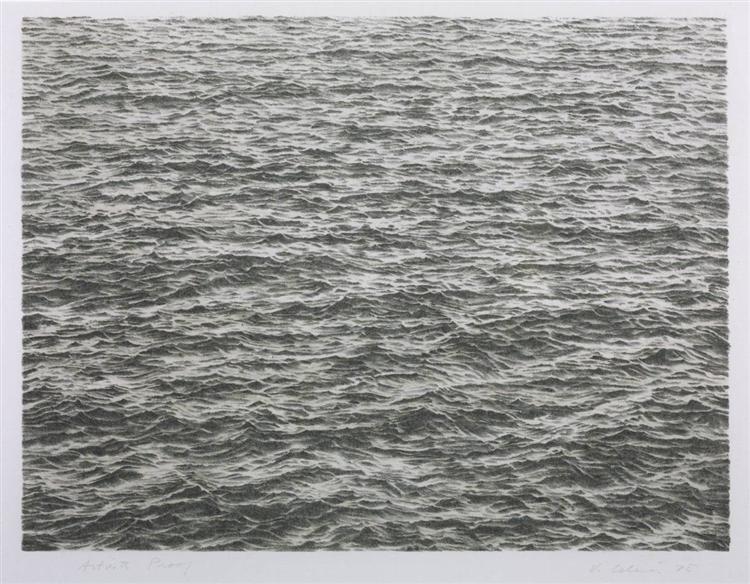
Ocean by Vija Celmins (1975)
Latvian-American artist Vija Celmins, who fled Soviet-occupied Latvia as a child before settling in the United States, crafts graphite ocean drawings of astonishing photorealistic quality. Her meticulous technique involves preparing paper with acrylic ground and building images stroke by stroke, a process so exacting that some drawings take years to finish.