

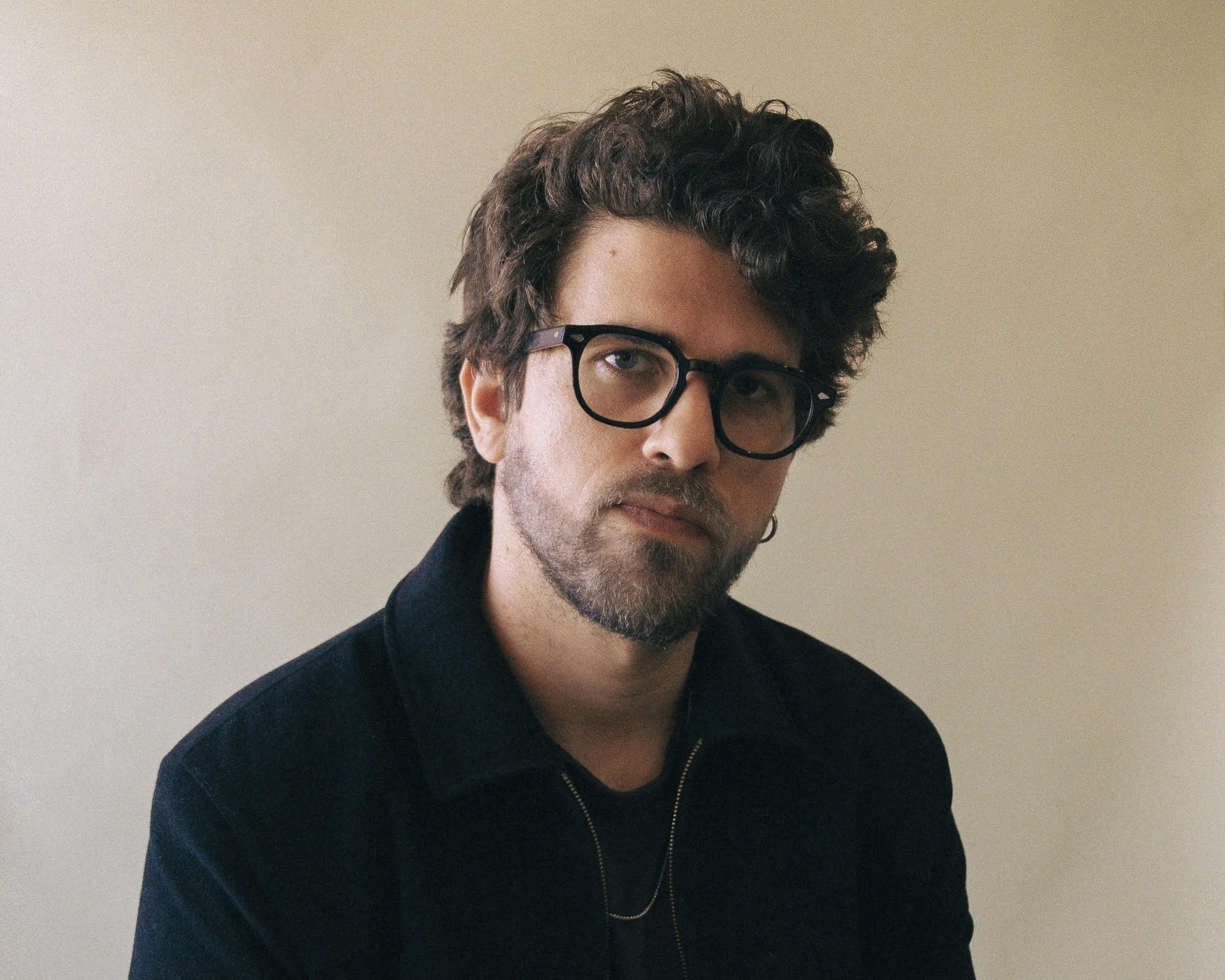
In the highly competitive world of Hollywood film and television scoring, few composers manage to secure roles on major studio productions at a young age. Yet, one composer has done just that, contributing to the acclaimed science fiction series Star Trek: Strange New Worlds, while establishing a rapidly growing career in Los Angeles. Shalev Grados opens up about his journey from Israel to Hollywood, detailing the rigorous musical training and professional philosophy that propelled him into the industry.
Grados’ journey began in Israel, where a childhood immersed in music and curiosity laid the foundation for a career path that would eventually lead to Paramount+’s expanding Star Trek Universe.
“I grew up in Israel surrounded by music and curiosity,” he recalled. “I started as a musician first—playing, listening, experimenting—and very early on I became fascinated not just with music itself, but with how music tells stories.”
This early fascination with narrative through sound quickly found its focus in visual media. “Film scores and video games especially captured my imagination,” said Grados. “I was drawn to the emotional power of music paired with image, and that became the path I naturally followed.”
Over time, Grados noted that composing evolved from an abstract interest to a deliberate mode of communication. “Composing stopped being something abstract and became something very intentional. I realized this was how I wanted to communicate—emotion, narrative, atmosphere through sound,” he said.
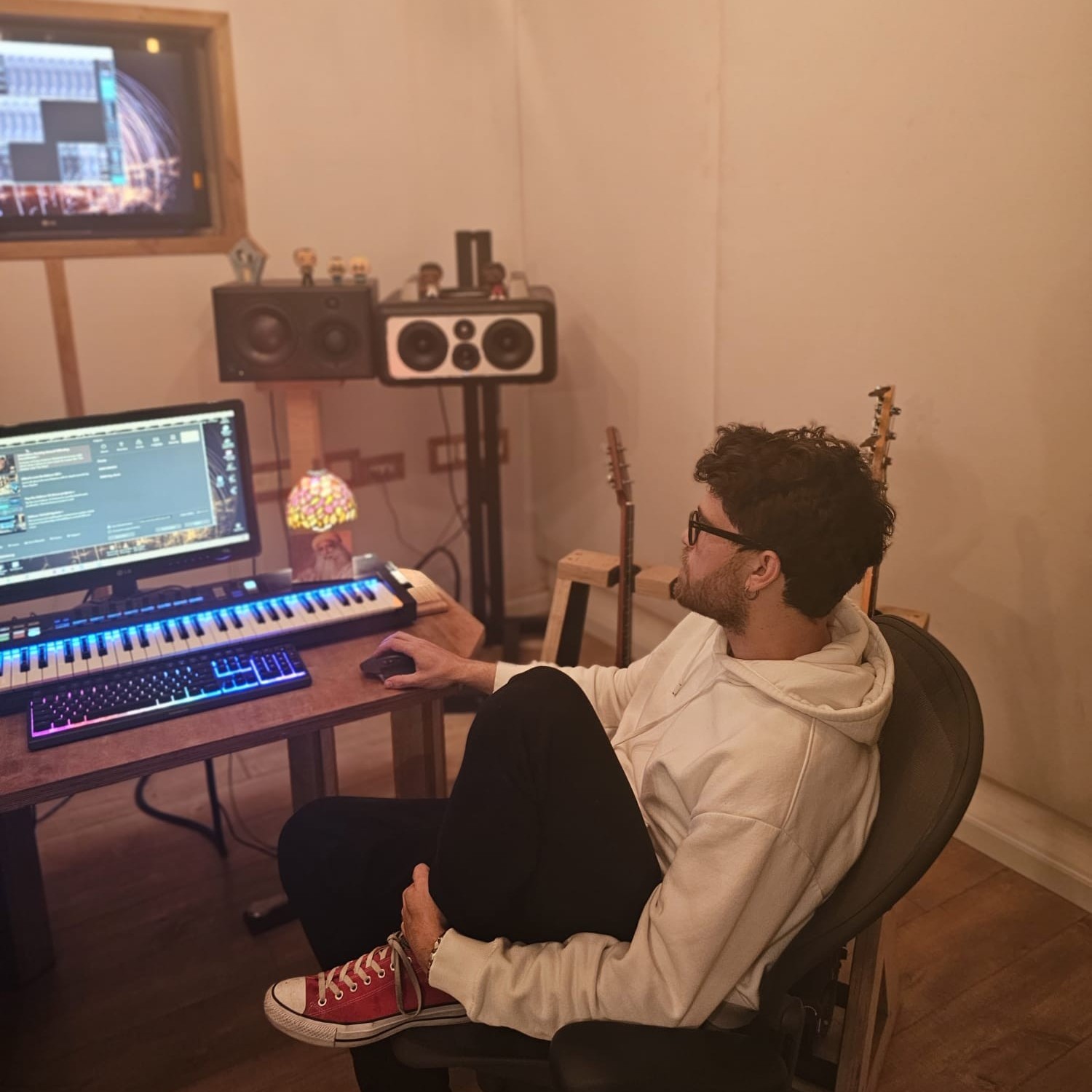
Foundations in Israel: Rimon School of Music
Before stepping onto Hollywood soundstages, Grados built a rigorous technical foundation at the Rimon School of Music in Israel. The curriculum, which focused on Composition, Orchestration, and Conducting, provided the essential toolkit required for high-level professional work.
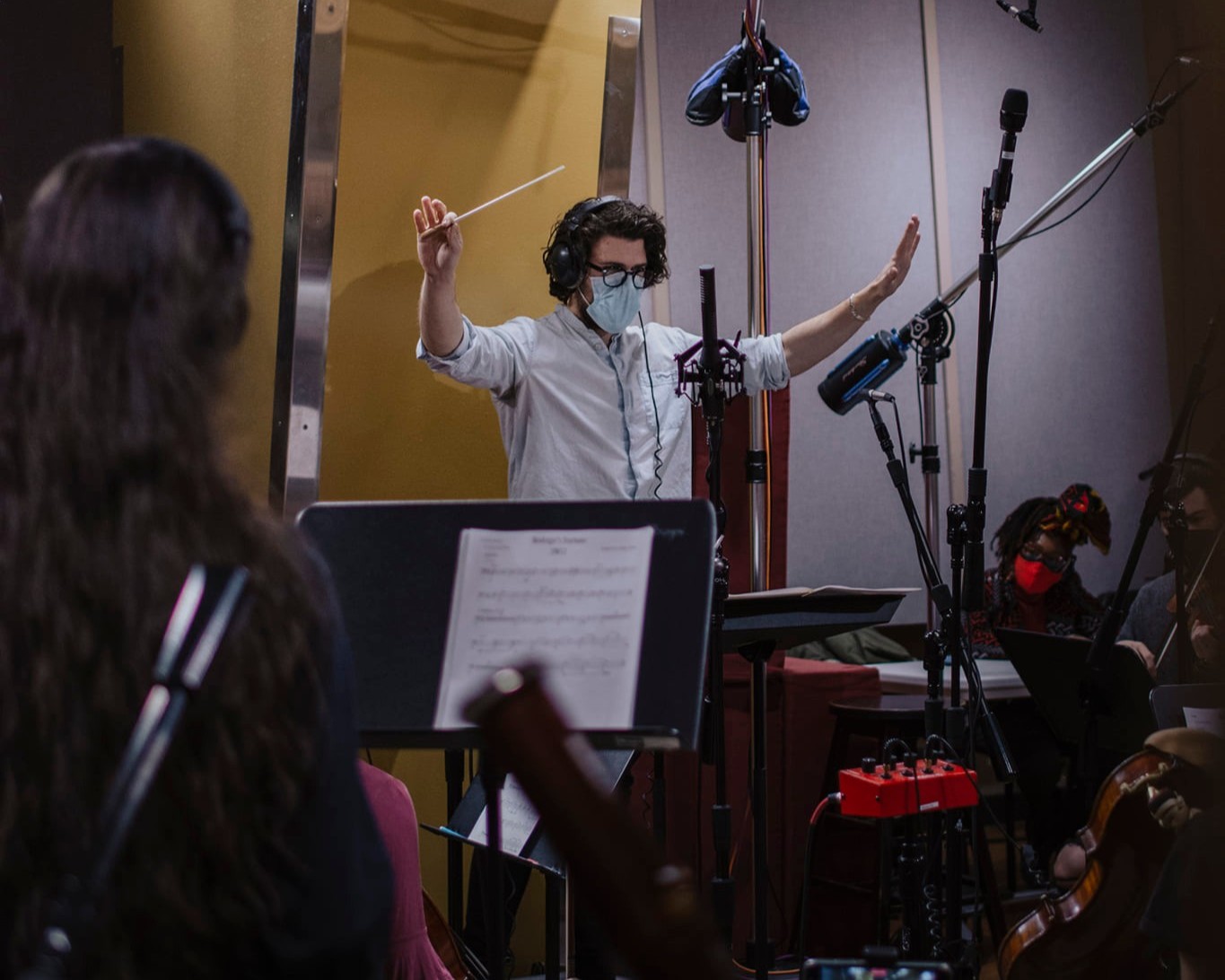
Reflecting on that period, he highlighted the practical nature of the training. “Rimon gave me a very strong foundation,” said Grados. “I learned how music actually works under the hood—harmony, form, orchestration, and how to communicate with musicians clearly and efficiently while holding the baton on the podium.”
The experience of conducting was particularly transformative. “Conducting was especially important; it teaches you how to think beyond yourself and understand the orchestra as a living, breathing organism and communicate your musical intentions with the players,” he adds. “That training grounded me musically and prepared me to step into professional environments.”
The Berklee Connection and the Move to Los Angeles
Following his foundational training in Israel, Grados sought to specialize further at the Berklee College of Music, one of the world’s premier institutions for contemporary music education. His application portfolio was strategically curated to highlight both technical proficiency and artistic identity.
“My portfolio was very focused on my orchestral work and guitar/piano playing ability,” explained Grados. “It wasn’t just about showing technique—it was about demonstrating emotional intent, orchestral clarity, and musical identity. I tried to show range while still sounding like myself.”
That combination of solid fundamentals and a clear artistic direction toward film and media music resonated with Berklee’s admissions team, leading to his enrollment in the Film Scoring program.
However, the educational journey didn’t stop in Boston. Upon graduating, the decision of where to launch a professional career was clear. The answer was Los Angeles, the undisputed hub of the film and television scoring industry.
“After graduating from Berklee, I knew Los Angeles was the way to go,” said Grados. “LA is the hub of film and television scoring if you want to work closely with directors, studios, orchestras, and production teams at the highest level, this is where those worlds intersect daily.”
But the move was geographical, as well as intentional. “Moving to LA wasn’t just about opportunity; it was about immersing myself in this creative environment,” said Grados. “Being physically present in the industry teaches you things you can’t learn remotely; how projects move, how people collaborate, and how music functions within a much larger creative machine.”
The Star Trek Universe and High-Level Productions
Grados’ immersion in the LA creative ecosystem eventually led to work on high-profile projects, including the Paramount+ series Star Trek: Strange New Worlds. Created by Akiva Goldsman, Alex Kurtzman, and Jenny Lumet, the series serves as a spin-off from Star Trek: Discovery, following Captain Christopher Pike and the crew of the Enterprise in the decade before The Original Series.
The series, which premiered in May 2022, has been praised for its episodic storytelling and cast, earning two Saturn Award wins and Primetime Creative Arts Emmy Award nominations. With multiple seasons released and a fifth season currently in production, the show represents a significant pillar of the expanding Star Trek Universe.
Contributing to such a visually and narratively dense production as a young composer presents a unique set of challenges and rewards.
“It’s intense, humbling, and incredibly educational,” Grados said of scoring major studio projects in Hollywood. “You’re working alongside people who have been doing this at the highest level for decades. That pushes you to rise quickly, to be prepared, adaptable, and reliable.”
Grados emphasized that raw musical talent is only part of the equation in Hollywood. “At the same time, it’s very rewarding. You learn that professionalism and musical sensitivity matter just as much as raw talent.”
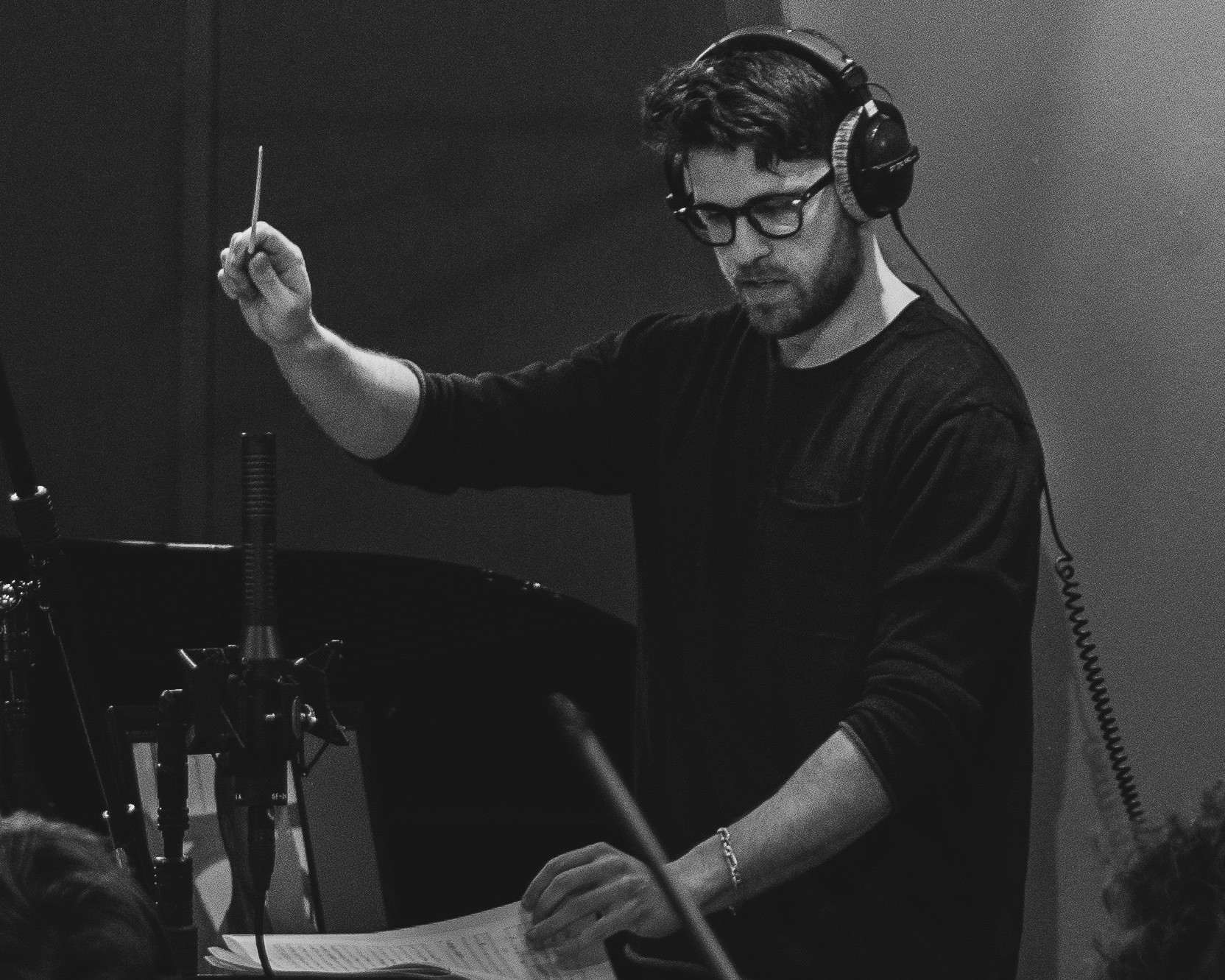
A Philosophy of Collaboration and Storytelling
Securing roles on productions like Star Trek requires more than just luck or schooling; it requires a specific professional ethos. When asked how he got involved in high-level productions relatively early in his career, Grados pointed to a willingness to shoulder responsibility.
“I say yes to responsibility and take every opportunity seriously,” he said. “Film scoring is a collaborative field, and trust is everything. If people know they can rely on you musically and professionally, they bring you back. Consistency, preparation, and respect for the process opened doors for me.”
This collaborative mindset is central to Grados’ artistic vision. While his influences range from the foundational work of John Williams to video game composers like Jason Hayes and Russell Brower—artists he listened to while growing up as a gamer—his goal is not imitation, but service.
“My goal is to write music that serves the story first—music that feels emotionally honest, timeless, and memorable,” he said. “I want my work to support worlds and characters, deepen the narrative, and stay with people long after the screen fades to black.”
Ultimately, Grados credits his evolving voice to a constant state of learning and listening. “Collaboration. Working with directors, composers, musicians, and editors teaches you to listen deeply. Not just musically, but emotionally. Being exposed to different perspectives refined my instincts and helped me trust subtlety. My background, my training, and the stories I’ve been fortunate to work on all shaped my voice—but curiosity is what continues to shape it.”

