

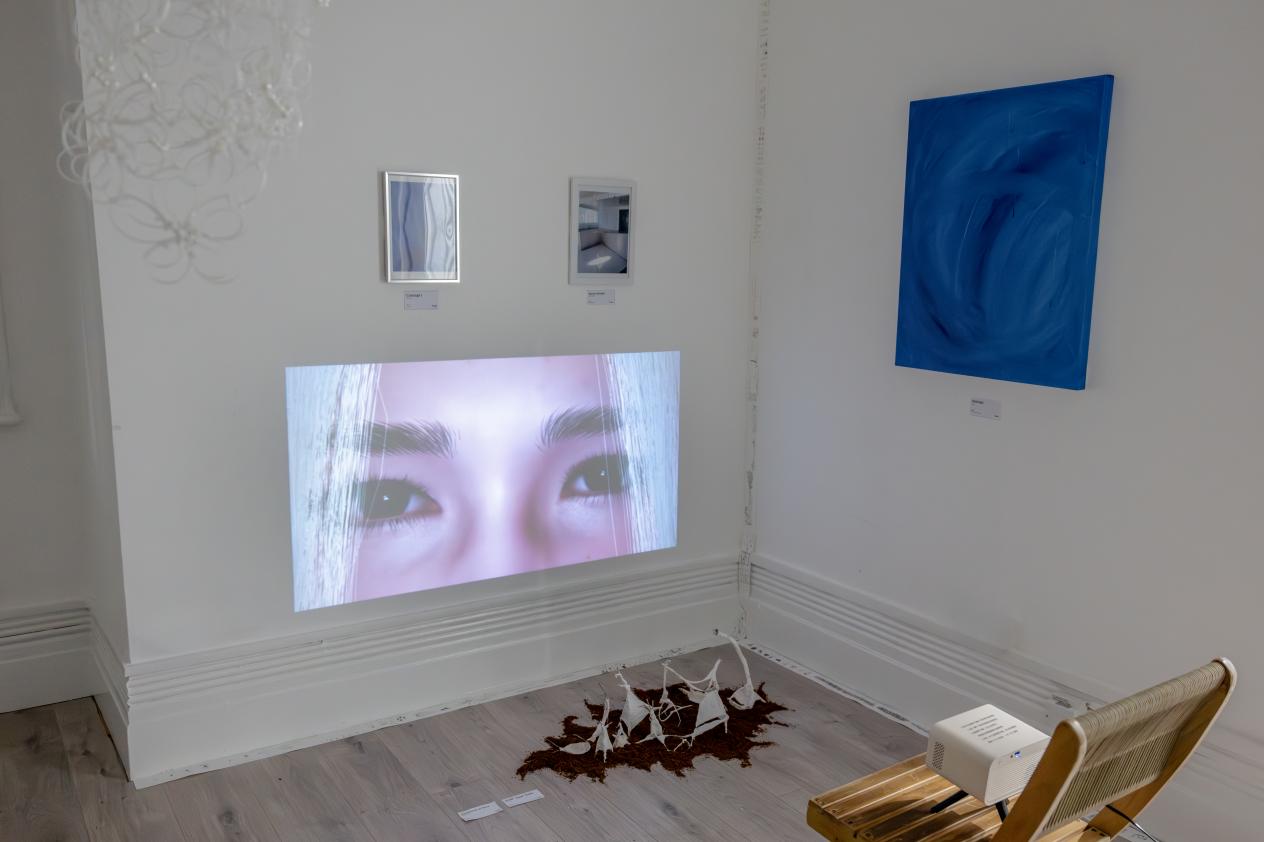
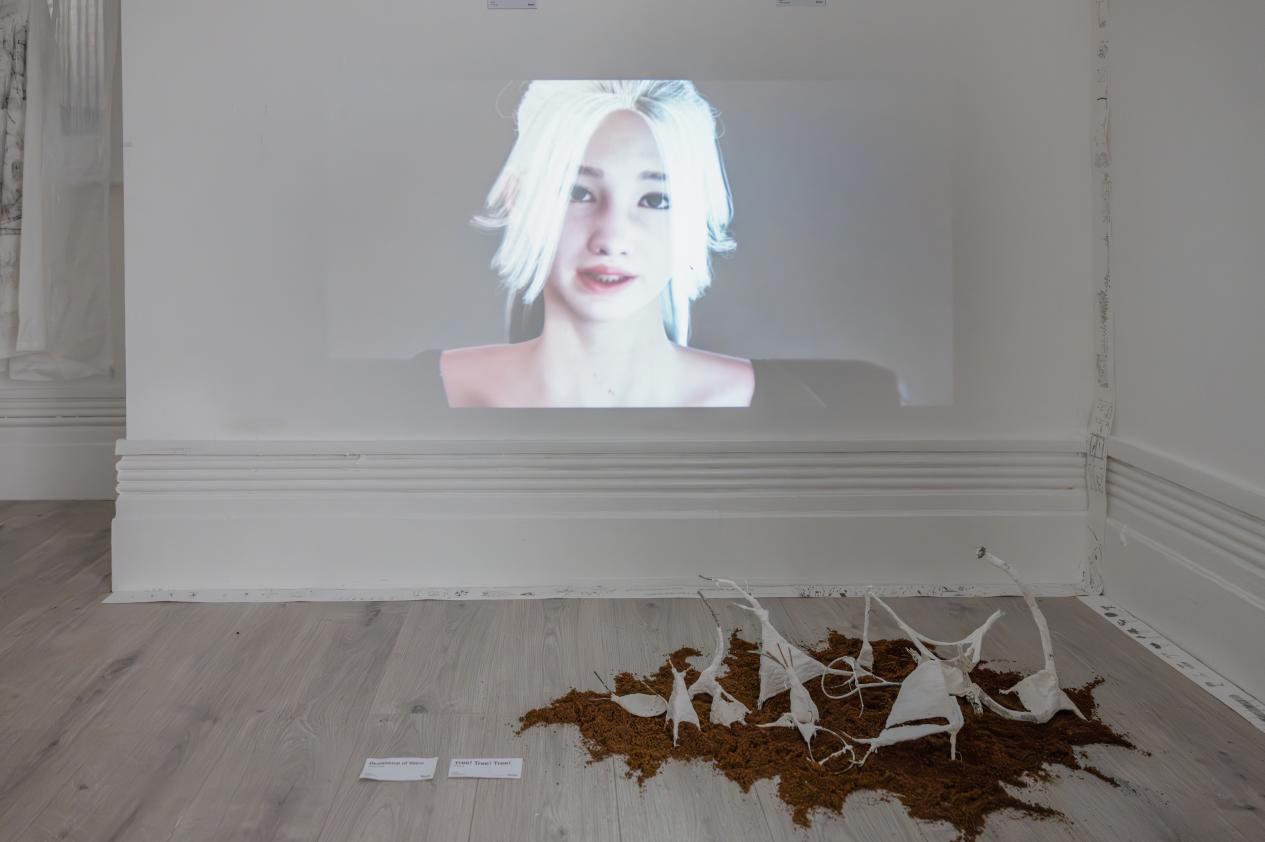
What is it like to exist in the world as a woman? It’s something that I, as a man, can only strive to understand, but never fully comprehend. To be constantly observed and judged based on appearance, clothing, how they pose and behave. It’s what’s at the heart of Xilichen Hua’s work, ‘Resistance of Voice’, where the artist remarks she is ‘tired in the way all women know’.
The work includes a digital representation of the artist, highlighting that, while the digital sphere differs from the real world, the same objectification of women has been transferred into that realm. Think of female video game characters with impossible physiques and wearing less clothing than their male counterparts, or the troubling rise of deepfakes, which have been disproportionately targeted at women.
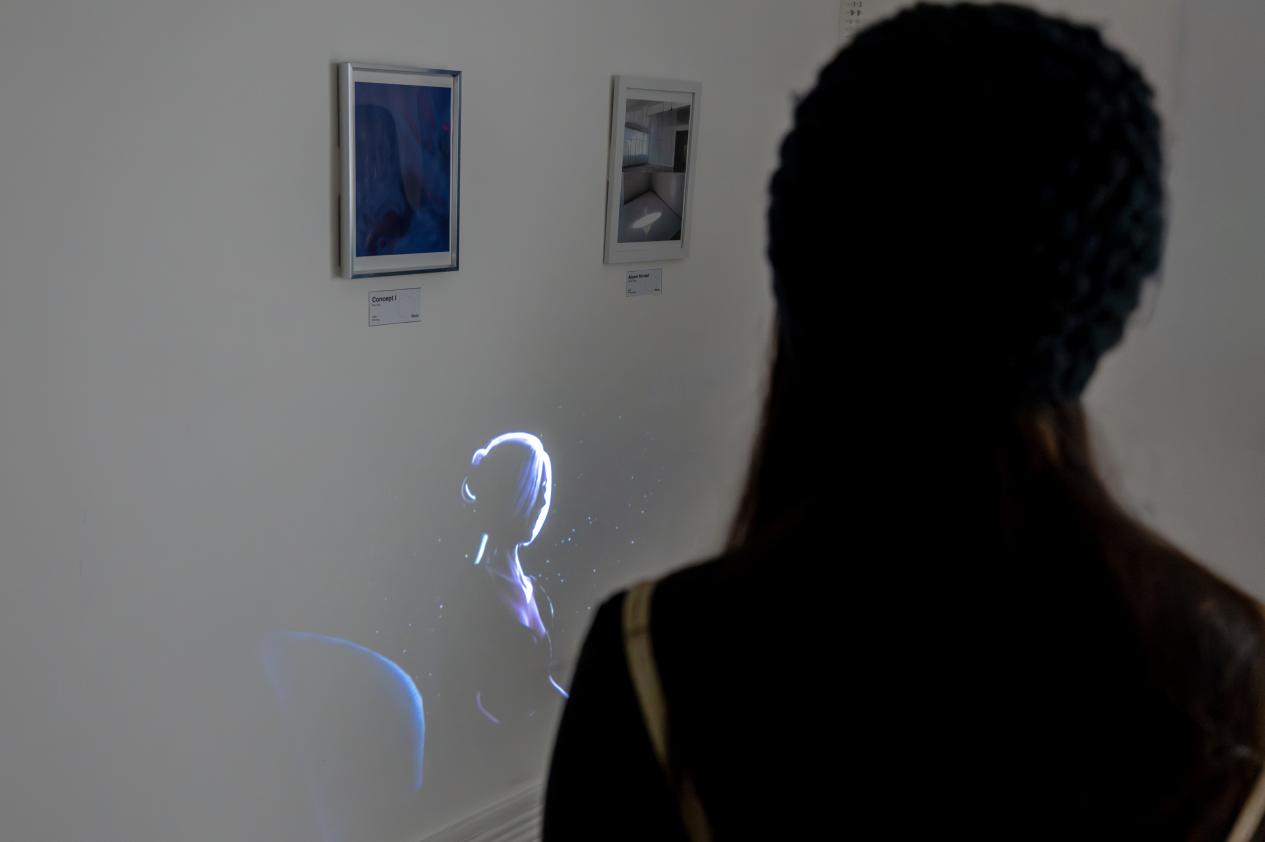
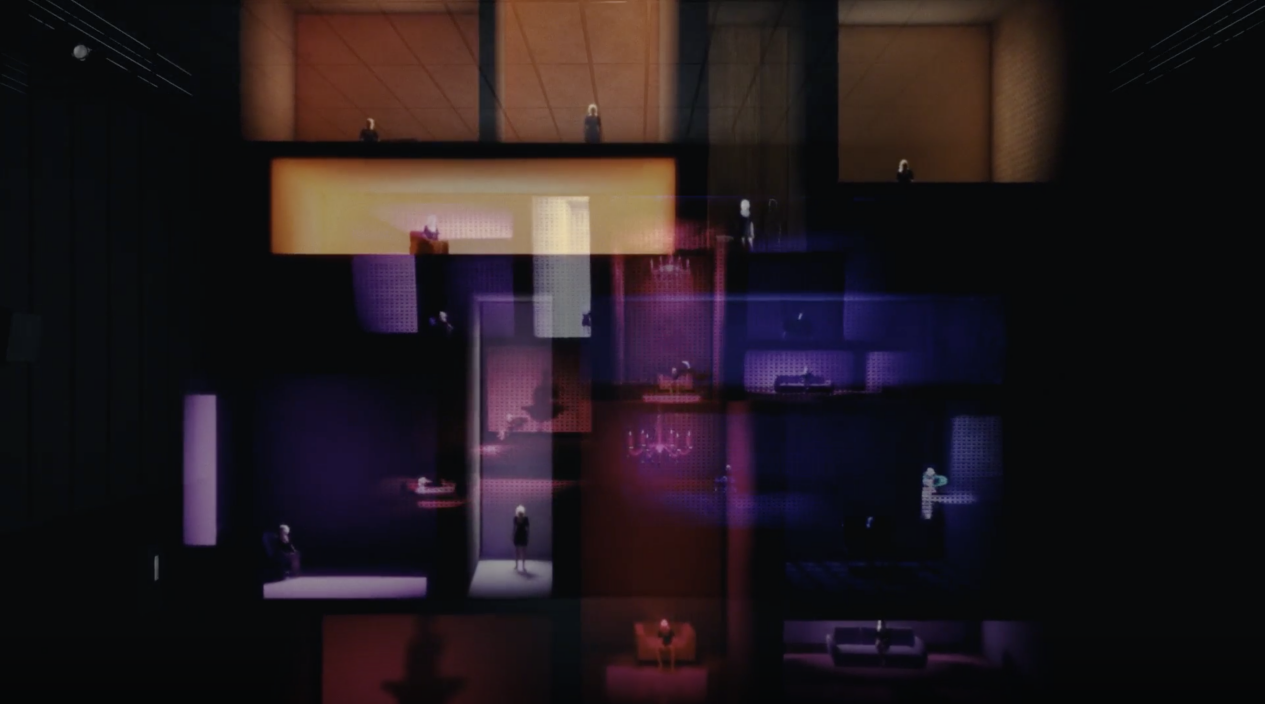
In ‘Resistance of Voice’, her digital avatar is architecturally boxed in, heightening the sense of being unable to escape the gaze of those watching, including us. However, the work ends with the gaze switching places, so the audience is now being observed, suggesting that this view is being subverted to empower the artist.
The work reminded me of Yoko Ono’s ‘Cut Piece’, in which audience members were invited to cut off her clothing with a pair of scissors. While it was the artist’s choice to participate, it reminds us of how vulnerable women are in society today to others’ actions. It was a model that was built upon in Marina Abramovic’s ‘Rhythm 0’, where audience members could subject her to any experience using over 70 different items, and that culminated with one participant pointing a loaded gun at her head.
While Hua’s work doesn’t invite direct audience interaction, it bears the hallmarks of these performance artworks by questioning the role of women in society and the vulnerability they continue to face, even after significant strides in gender equality.
The work exists in the digital realm but draws on the long legacy of art history, challenging the male gaze back to Édouard Manet’s ‘Olympia’, where a nude woman stares back at us, unlike the averted gazes that preceded this painting in art history.
It can be compared to contemporary artists who all confront us with larger-than-life female bodies, such as Jenny Saville and Claudette Johnson. In the digital realm, the subversion of the male gaze is still developing, and one standout piece would be Amalia Ulman’s ‘Excellences & Perfections’, an Instagram avatar she created as a performance piece that had her followers believing they were following one woman’s journey into vulnerability and cosmetic surgery.
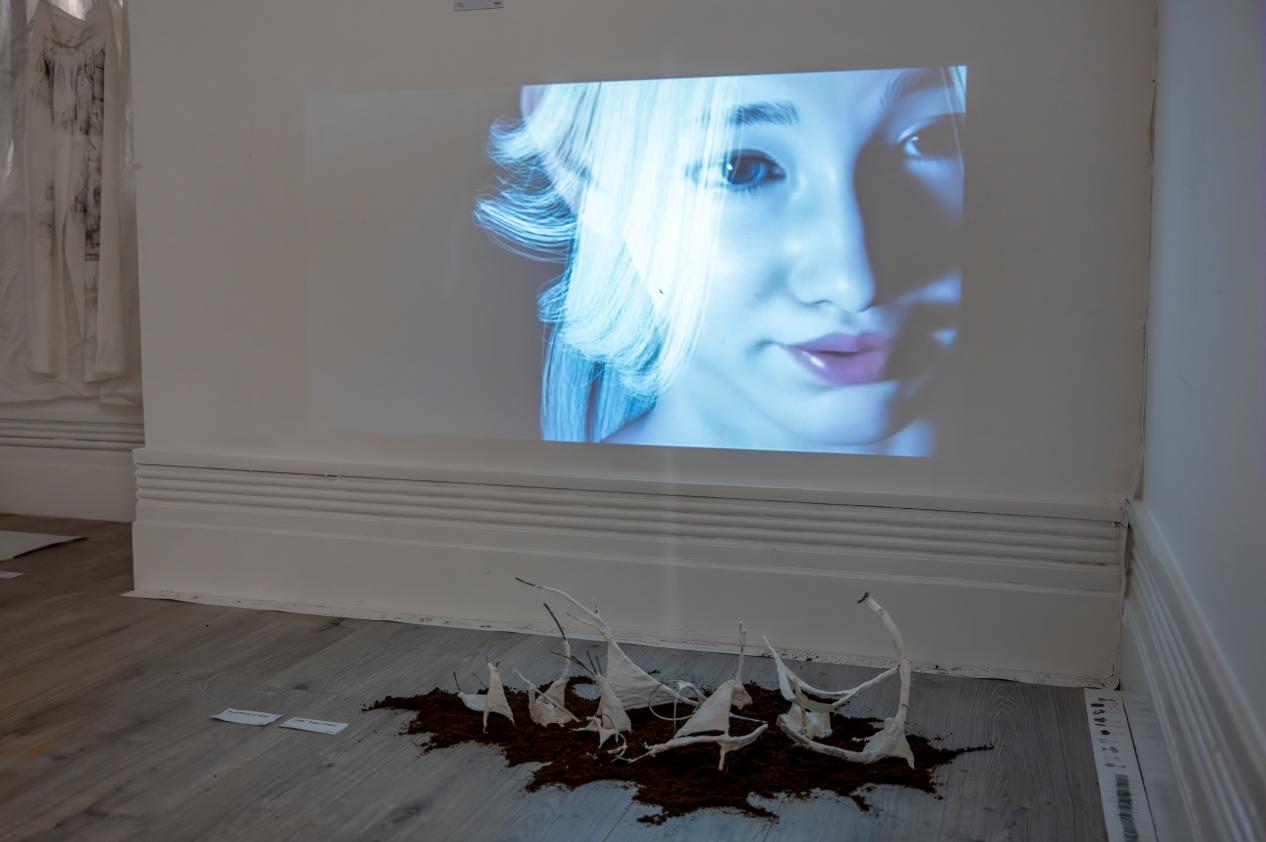
The digital realm is fertile ground for revisiting the message about how women are seen in the world, especially how they are often depicted in these spaces. It’s within this arena that Xilichen Hua’s work exists, and I look forward to her developing these concepts further in her future work, to recognise what it means to be a woman in the world today. As she states in her work, ‘I don’t need to be one thing; I am many’.

