

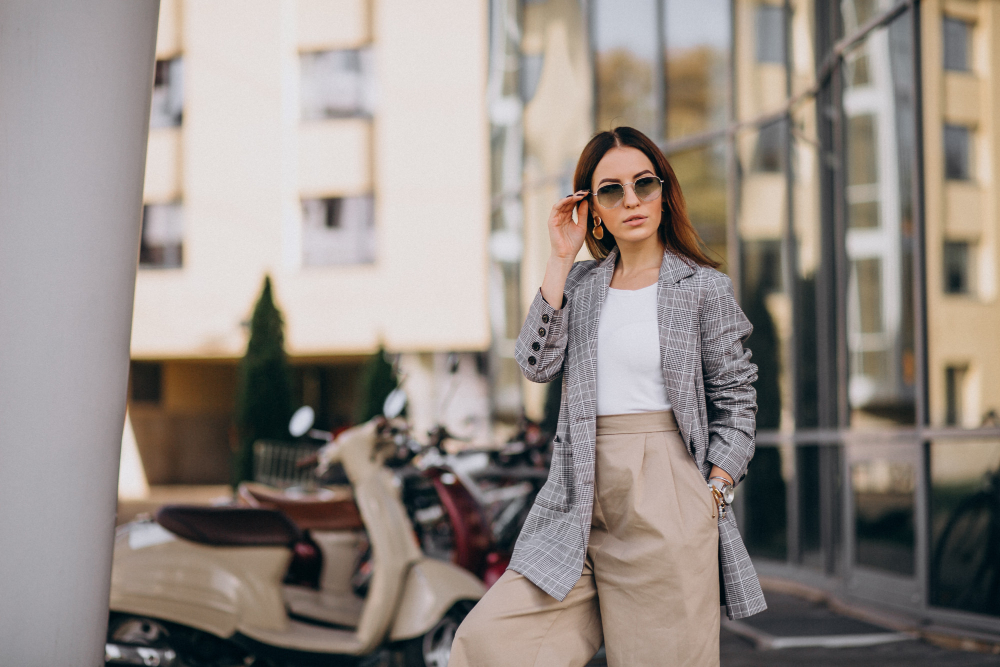
Finding your personal style is about much more than the clothes you wear. It is a reflection of your personality, your tastes, and the way you want to present yourself to the world. Many people mistakenly believe that personal style is all about following trends or buying expensive items, but the reality is that it is deeply personal and unique to each individual.
Discovering your personal style is about understanding what makes you feel confident, comfortable, and authentic, and then translating that understanding into your wardrobe choices. It is a journey that combines self-reflection, experimentation, and observation, and it evolves naturally over time as your lifestyle, priorities, and tastes change. Having a clear sense of personal style not only simplifies daily dressing but also allows you to make intentional choices when shopping and helps your overall presentation feel coherent and true to who you are.
Understanding Yourself and Your Lifestyle
The first step in finding your personal style is taking a closer look at yourself and the life you lead. Your lifestyle, routine, work environment, and even your hobbies play a large role in shaping what types of clothing, accessories, and styles will work best for you. Someone who spends most of their time in an office setting might feel most comfortable in structured, professional outfits that are versatile for meetings and presentations, whereas someone with a more casual or creative work environment might gravitate toward unique, expressive, or relaxed pieces.
Personal style works in a similar way to other areas, where variety and structure influence enjoyment. Just as some people enjoy diverse options or layered experiences, such as the multiple combinations found in megaways, style often develops through exploring options rather than sticking to a single formula.
Exploring Inspiration and Influences
Finding your style often involves looking outward to see what inspires you and what catches your eye. Fashion magazines, social media platforms, street style, and cultural influences are great sources of inspiration. The goal is not to copy someone else’s look entirely but to notice patterns in your preferences, such as the types of colors, fabrics, or silhouettes you are drawn to. Paying attention to how people express themselves, the combinations they create, and the confidence they exude can offer valuable lessons.
Over time, these observations help you identify elements that resonate with you personally. By blending external inspiration with your own tastes and comfort level, you can begin to create a wardrobe and look that is uniquely yours, reflecting your personality in subtle and impactful ways.
Experimentation and Trying New Things
Experimentation is a key part of developing personal style, and it often requires stepping out of your comfort zone. Trying on clothes, mixing unexpected patterns, exploring new colors, or even altering the way you accessorize can reveal combinations and choices you might not have considered.
Shopping with an open mind, experimenting with layering, or even borrowing a friend’s piece temporarily can give you a sense of what works and what doesn’t. Sometimes the most surprising discoveries come from pieces you would never have chosen instinctively. This process of trial and error is important because it teaches you about your preferences and helps refine your sense of style in a way that feels natural. Over time, these small experiments accumulate, creating a cohesive wardrobe that is versatile, expressive, and entirely personal.
Curating a Wardrobe That Reflects You
Once you have explored your lifestyle, inspirations, experimentation, and comfort, the next step is to curate a wardrobe that truly reflects who you are. Curating is not about having every trendy item but about creating a collection of pieces that align with your taste and daily needs. Investing in versatile, high-quality pieces ensures longevity and allows for multiple outfit combinations.
Thoughtful curation also simplifies your routine, as you know what works together and what can be mixed for different occasions. Over time, this results in a wardrobe that feels intentional, authentic, and cohesive, making daily dressing easier and more enjoyable. Every choice, from statement pieces to everyday basics, becomes part of the overall expression of your personality.
Allowing Your Style to Evolve
Personal style is not static; it evolves naturally over time. As your tastes, lifestyle, and confidence develop, your wardrobe and the way you express yourself should adapt as well. Being open to change while staying true to your core preferences ensures that your style remains authentic and aligned with who you are at any given moment. Life events, career changes, and exposure to new ideas often influence style evolution. Embracing this process keeps personal style dynamic, fresh, and enjoyable rather than rigid or pressured. Allowing your style to evolve demonstrates a balance between consistency and creativity.
Conclusion
Finding your personal style is a journey that combines self-awareness, experimentation, and intentional choices. It is about understanding your lifestyle, discovering what inspires you, trying new ideas, and learning what fits and feels right. Personal style is deeply personal and should reflect confidence, comfort, and authenticity above all. By curating a wardrobe that aligns with your tastes, thoughtfully incorporating accessories, and allowing for evolution over time, you create a look that is uniquely yours.
This process turns clothing from a daily chore into a form of self-expression, helping you feel confident and present in every situation. Embracing your personal style not only enhances appearance but also supports a sense of identity and individuality that grows with you over time.

