

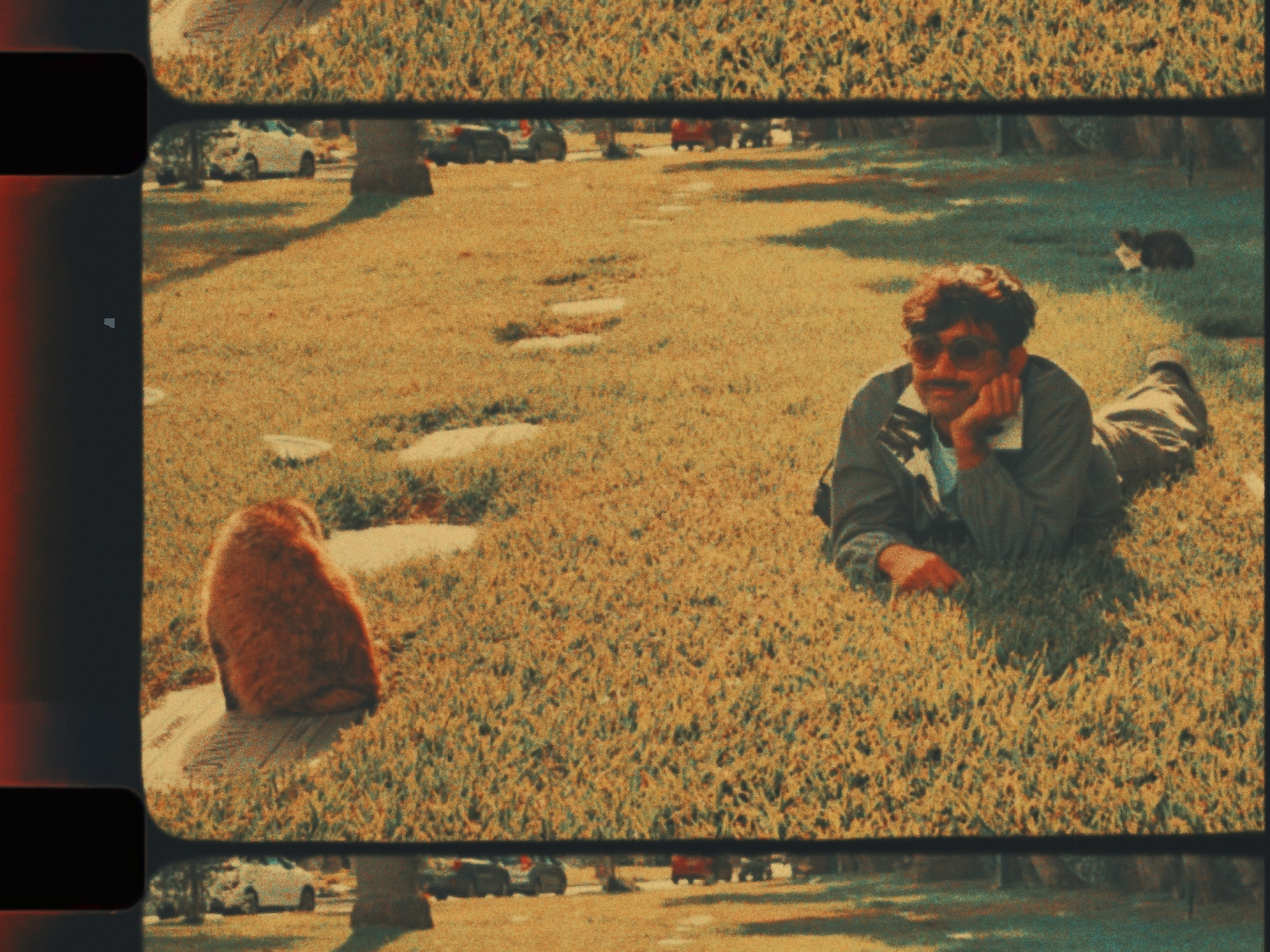
Digital design is changing and evolving at a rapid rate. With artificial intelligence, personalized interfaces and user-centric design, and looking at design, as a whole, from new, shifting perspectives.
Vineet Kapil, a product designer renowned for his pivotal work on Snapchat’s chat features, has had an unconventional journey from a self-taught tech tinkerer in New Delhi to a key player at one of the world’s largest social platforms, Snapchat, in California. His insights shed light on the changing landscape of product design, the disruptive potential of artificial intelligence, and the nuances of building products for a Gen Z audience.
According to a recent report from 99firms, Gen Z has the highest daily screen time of all generations, averaging from 7 to 9 hours of screen time a day. Roughly 55% use smartphones for over 5 hours a day, with usage driven by social media and entertainment. Gen Z is also twice as likely to shop on mobile, with 90% having social media accounts. Key platforms include YouTube (93%), Instagram (76%), and TikTok (59%), with 89% using dual screens.
Yet, Kapil’s own design philosophy is rooted in the opposite of what is expected from him as a Gen Z designer. “One of my design philosophies stems from the fact that I dislike looking at screens,” he said. “What screen could ever rival the sky, the trees, or the presence of those we love?”
As he explains: “Perhaps technology is at its best when it serves life quietly, with humility and care.”
This taps into his own design approach. “What if good design softened interruption, favored clarity over captivation, and stayed curious about when to step aside?” asks Kapil. “Could success be measured not by how long we are held, but by how respectfully we are returned to what already matters?”
Kapil’s fascination with technology began not in a classroom, but in the customization of mobile devices, tinkering with technology around the house. His professional path began to crystallize when a university in his hometown of New Delhi launched an Interaction Design degree shortly after his high school graduation. Recognizing a natural extension of his hobbies, Kapil pursued the program, eventually building a portfolio through freelance work on platforms like Reddit to overcome the limited internship opportunities available at the time.
Innovation at the Intersection of Audio and Meditation
Before his tenure at Snapchat, Kapil honed his skills at several high-growth startups. As the sole product designer at Leaf Studios, an audio consumer electronics brand, he tackled the complex challenge of AI sound personalization. Kapil led the redesign of the core product experience, focusing on a “barrier-free user flow” for a patent-backed app, operating on a lean cadence that required shipping design-led updates daily.
Later, as a design consultant for Atom—then the top-rated meditation app on the Play Store—Kapil focused on elevating the user experience. He conducted global usability tests, held ux interviews, while refining product taxonomy. Recognizing a need for cohesion, he initiated a Design System to bring consistency and speed to the team’s cross-platform processes.
The Role of AI and Design Philosophy
Chatting about the current trajectory of the industry, Kapil highlighted the transformative power of artificial intelligence. “It’s giving product designers the power to directly tinker with code, which feels very liberating to me,” he noted, pointing toward a future where the barrier between design and development continues to blur.
Kapil’s philosophy on design consultancy emphasizes clarity amidst complexity. “The best thing a design consultant can do is make the invisible obvious,” he explained. “That means spotting the assumptions everyone else has stopped questioning, uncovering the grey area of what users are actually doing rather than what they say, turning that insight into a clear, decisive and aligned direction.”
A Transformative Chapter at Snap
Kapil’s career reached a pivotal moment when he reached out to Snapchat regarding a graduation project. To his surprise, he was invited to interview for a full-time role. The interview process was rigorous, involving multiple rounds that assessed his design thinking through “messy” Figma files and assignments.
The process culminated in a meeting with Evan Spiegel, Snap Inc.’s CEO and co-founder. Kapil described Spiegel as “friendly, kind, and inspiring,” an interaction that solidified his desire to join the company.
At Snapchat, Kapil drove the design for the chat feature, a core experience facilitating billions of daily interactions among users. He cites the experience of learning from Spiegel and some of the industry’s best designers as the most rewarding aspect of the role.
Reflecting on his interactions with corporate leadership, Kapil offered advice to young designers: “They are the ones who usually care the most about the product in a company, so it’s nice to take a moment to absorb their vision well.”
Kapil’s contributions to the platform’s chat functionality continue to influence how millions of users communicate daily. His journey from a tech-savvy child in New Delhi to a prominent product designer serves as a testament to the power of curiosity, resilience, and the relentless pursuit of user-centric innovation.
Some key aspects from growing up in a joint household has helped him in the tech world. “Working on a big tech team often feels like being part of a multi-generational family: diverse personalities, overlapping responsibilities, and shared goals. The same ability to listen, care, and anticipate to connect and collaborate better.”
Photo by Anke Shao.

