

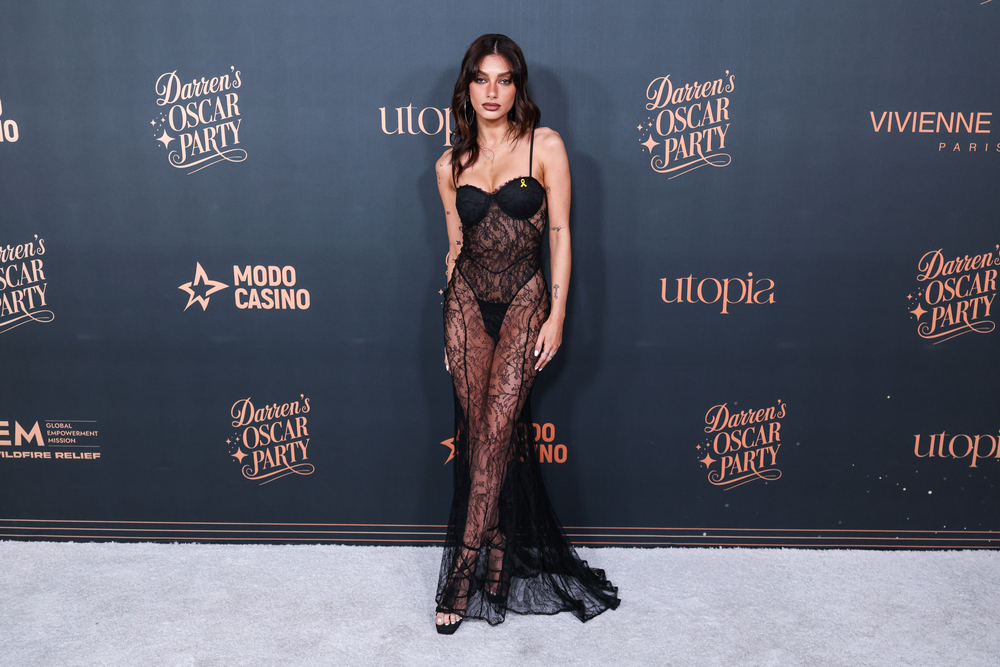
Red carpets have become stages for something other than film promotion. They serve as proving grounds where stylists test their influence, brands calculate their returns, and audiences form opinions that spread faster than any movie trailer. The question of excess in celebrity fashion keeps surfacing because the outfits themselves keep demanding answers. Some argue the displays have grown absurd. Others see them as calculated business decisions dressed in silk and sequins. The truth sits somewhere between both positions, uncomfortable and hard to pin down.
The Economics Behind the Extravagance
Fashion houses pay attention to red carpet appearances because the numbers support it. Louis Vuitton reportedly earned a $55.2 million return in media impact value after dressing celebrities at the 2025 Met Gala. That figure helps explain why gowns worth tens of thousands of dollars get loaned out freely. The transaction works for everyone involved. Designers get their clothes photographed millions of times. Celebrities get access to pieces they could never afford outright. Audiences get something to discuss, dissect, and criticize.
This arrangement means the outfits themselves carry commercial weight. A dress that fails to generate conversation represents lost money. A suit that blends into the crowd offers no value to the label stitched inside. The pressure to create something memorable, something worth screenshotting and sharing, pushes fashion choices toward the extreme.
When Red Carpet Style Mirrors Relationship Power Plays
Celebrity fashion has long been a display of who holds influence and who seeks it. The dynamic between a star and their stylist, or between a performer and the brand dressing them, can sometimes look like a glorified sugar daddy arrangement where one side provides resources and the other delivers visibility. Louis Vuitton’s $55.2 million return in media impact value from the 2025 Met Gala shows how this exchange operates at the highest levels.
The 2026 Golden Globes leaned toward restraint, but restraint itself became a statement. Pinterest’s annual Predicts report notes a move toward maximalist jewelry and 1980s silhouettes, suggesting audiences want personality over polish. Oxford University Press named “rage bait” its word of the year, and fashion seems to have absorbed that lesson. Outfits now function as provocations, designed less to flatter and more to generate reaction.
The Gap Between Red Carpets and Reality
Celebrity fashion exists in a separate atmosphere from what most people wear. The disconnect has always been present, but social media makes it more visible. A performer steps out in a custom gown worth $80,000 while their followers scroll past wearing sweatpants. The contrast registers immediately.
Some viewers admire the fantasy. They treat red carpet coverage as entertainment, separate from their own wardrobes and budgets. Others find the displays tone-deaf, especially during periods of economic strain. Both reactions are valid. Neither response will change how the industry operates.
The 2026 Golden Globes showed restraint compared to previous years. Near-nude silhouettes shared space with covered couture. The range suggested that stylists were hedging their bets, unsure which direction audiences would reward. Restraint itself became a choice, deliberate and calculated rather than humble.
Provocation as Strategy
Pinterest’s annual Predicts report identified maximalist jewelry and 1980s silhouettes as defining trends for 2026. Big shoulders returned. Oversized belts made appearances. Circle skirts swept across carpets. The report suggested that minimalism had loosened its hold and that people wanted volume and personality in their clothing.
This prediction aligns with how celebrity fashion operates. Quiet elegance rarely generates headlines. A well-fitted black dress, however expensive, gets less coverage than something sculptural and strange. Stylists know this. Their clients know this. The result is an arms race of visual impact where each event demands something louder than the last.
Oxford University Press selected “rage bait” as its word of the year. The term refers to content designed to provoke outrage. Fashion absorbed this approach without naming it directly. An outfit that angers half the internet while delighting the other half generates twice the engagement of something universally praised. Controversy has become its own form of currency.
Where Does Excess End?
Calling celebrity fashion ostentatious implies a line has been crossed. But no one agrees where that line sits. A feathered cape might seem absurd to one viewer and artistic to another. A gown covered in crystals could register as wasteful excess or masterful craftsmanship depending on who observes it.
The fashion industry does not operate on consensus. It rewards attention, positive or negative. An outfit dismissed as too much still accomplishes its goal if people keep talking about it. Restraint only works as a strategy when it generates its own conversation, when choosing simplicity becomes the surprising move.
The Audience Holds Some Power
Public reaction shapes future choices, even if that influence operates slowly. Designers notice when certain aesthetics get mocked consistently. Stylists track which outfits get praised and which get criticized. The feedback loop exists, though it moves through many filters before reaching decisions.
Celebrity fashion will continue to push boundaries because that push serves commercial interests. The outfits may grow larger or stranger or more revealing depending on which direction earns attention. Audiences can participate in this system, or they can observe it from a distance. The spectacle will proceed either way.

