

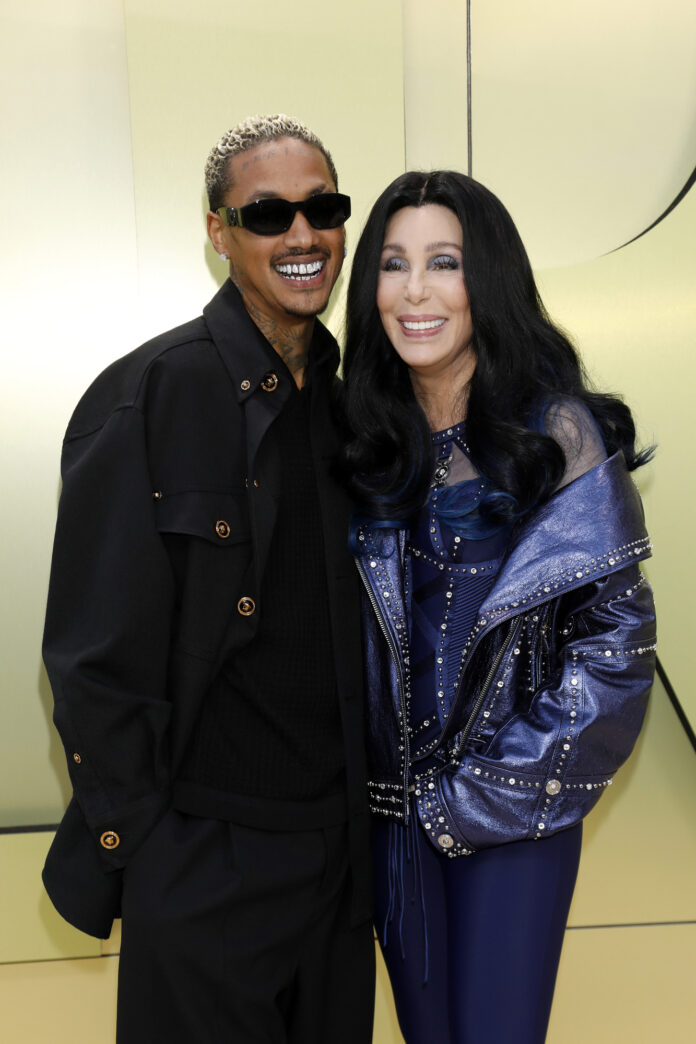
Cher turned 79 and her boyfriend Alexander Edwards is 39. The pair have been together since 2022, and she has made no effort to hide the 40-year difference between them. When asked about it on CBS Mornings, she offered a simple response: nobody knows what goes on between them, but they have a blast. That answer tells you more about age-gap relationships than any survey could. The people inside them rarely share the anxieties that outsiders project onto them.
Public fascination with celebrity couples who have large age differences has existed for decades. Humphrey Bogart and Lauren Bacall, Celine Dion and René Angélil, Woody Allen and Soon-Yi Previn. Each of these pairings drew attention and criticism in their time. The question of taboo, then, is less about the relationships themselves and more about who is watching and what they believe they see.
The Numbers Behind the Noise
A 2025 Ipsos poll measured American attitudes toward age-gap dating. The findings showed that 39% of Americans have dated someone with a 10-year or greater age difference. A large majority said it was socially acceptable for both men and women to date someone 10 or more years younger. These figures suggest that age gaps are more common and accepted than public commentary might indicate.
Still, acceptance comes with qualifications. The same poll found that nearly a quarter of Americans between 18 and 34 said they feared what people might think if they entered such a relationship. Younger adults, who might seem more open to unconventional arrangements, reported higher levels of concern about perception. The gap between stated acceptance and personal anxiety points to something unresolved.
When Public Perception Pins a Label on Partners
Age-gap couples in the spotlight often face assumptions about their motives. A 2025 Ipsos poll found that 24% of Americans aged 18-34 worry about judgment if they date someone with a large age difference. Critics tend to reduce these pairings to stereotypes, and the scrutiny makes them seem like a sugar daddy or sugar baby rather than two people who chose each other.
Celebrities like Cher, who is 40 years older than Alexander Edwards, push back against this framing. She told CBS Mornings that outsiders cannot know what happens between them, adding that they have a blast together. Sarah Paulson, with a 32-year gap from Holland Taylor, called her relationship positive and unconventional in a May 2025 interview with El País.
Hollywood Couples Defying Convention
Paulson and Holland Taylor began dating around 2015. The actress has spoken openly about how their age difference attracts attention. In May 2025, she told El País that many find the gap disconcerting. She added that she likes to represent something positive and unconventional. Her willingness to discuss the relationship publicly has made them one of the most visible age-gap couples in entertainment.
Other pairings receive similar scrutiny but handle it differently. Some avoid interviews entirely. Others offer brief acknowledgments and move on. The strategy depends on the couple, but the presence of age-gap relationships in celebrity culture has remained steady for years.
When Women Are Older
The traditional pattern placed older men with younger women. That configuration drew criticism but also acceptance rooted in long-standing gender norms. When the dynamic reverses, reactions differ.
Films released in recent years have explored relationships where women are the older partner. “The Idea of You,” “Babygirl,” and “Lonely Planet” all feature this premise. Author Robinne Lee, whose novel inspired one of these films, said women want to see characters reclaiming their sexuality. Director Halina Reijn stated that age gaps switching should be completely normalized.
These films signal a shift in storytelling, but they also respond to existing demand. Audiences have shown interest in narratives that treat older women as romantic leads rather than supporting figures. The box office results and streaming numbers suggest the interest is genuine.
What Taboo Actually Means
Taboo implies social prohibition backed by consequence. By that definition, age-gap relationships among celebrities do not qualify. No one faces exile for dating someone decades older or younger. Careers continue. Public appearances proceed. The relationships exist openly.
What remains is discomfort, and discomfort is not the same as taboo. People may gossip. Tabloids may speculate. Social media users may post opinions. But none of this amounts to prohibition. The couples themselves often live without apparent penalty.
Judgment Without Enforcement
Public figures who enter age-gap relationships face commentary but rarely suffer professional harm. Cher has maintained her career and public profile throughout her relationship with Edwards. Paulson continues to receive awards and leading roles. The gap between what people say and what actually happens to these couples suggests the taboo is rhetorical rather than functional.
Younger people may fear judgment, as the Ipsos poll indicated. But that fear exists alongside widespread acceptance. The contradiction suggests that social pressure operates unevenly. What feels dangerous in theory often proves tolerable in practice.
Private Lives, Public Opinions
Celebrities who discuss their relationships do so on their own terms. Cher’s comment about having a blast offered no apology and no defense. Paulson’s description of her relationship as unconventional accepted the label without treating it as negative. Both responses treated outside opinion as irrelevant to the reality of their partnerships.
This approach limits the power of criticism. If the people inside the relationship refuse to treat it as shameful, external shame loses force. The couples set the terms, and observers can only react.
Where Things Actually Are
Age-gap relationships among celebrities persist. Public interest in them persists. Neither shows signs of ending. The question of taboo depends on definition. If taboo means forbidden, the answer is no. If it means subject to comment and speculation, the answer is obviously yes.
The difference matters because it changes what the discussion is actually about. We are not debating prohibition. We are debating taste, preference, and the limits of social curiosity. Those are different conversations, and they lead to different conclusions.

