

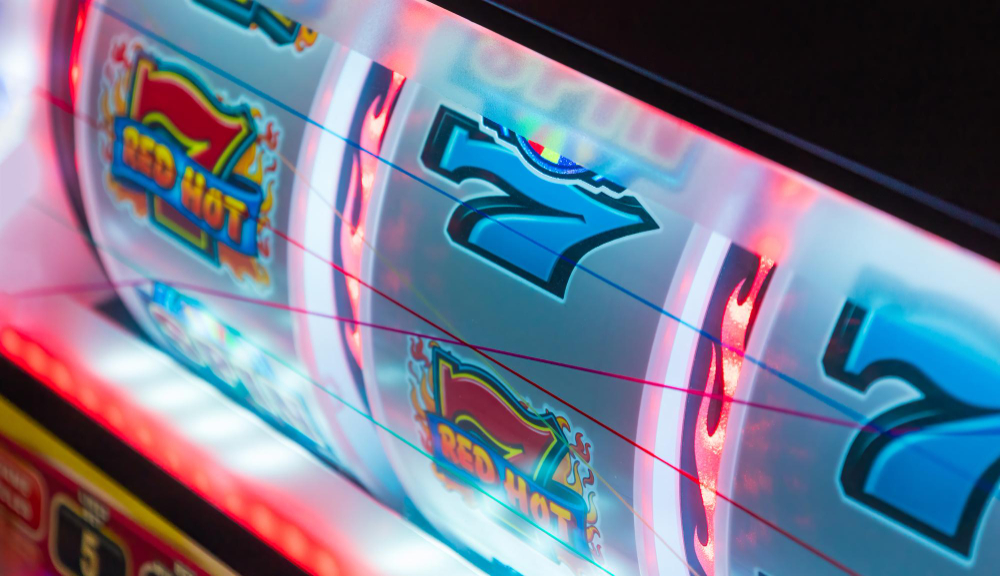
Gambling doesn’t just change how we spend money. It quietly changes how we pay attention. Over time, the mind stops scanning the whole picture and starts locking onto very specific signals (flashes, sounds, short bursts of outcome). We don’t usually notice this shift while it’s happening, because it feels like focus, not distortion. But once attention starts narrowing in that way, decisions begin to follow a very different logic.
The Best Example of Attention Capture
The cleanest example of attention capture is Plinko, and it works because it wastes no time. The drop starts instantly. No setup, no pause, no extra choice. Our eyes lock onto the falling chip the moment it moves, because motion is the strongest visual trigger the brain has. Every bounce feels like progress, even though nothing meaningful changes between pegs. That illusion of progress matters. It keeps attention anchored to the screen instead of drifting away or questioning the outcome.
The unpredictability does the rest of the work. The chip never falls the same way twice, so the brain keeps waiting for resolution. That waiting state is powerful. Minimal controls make it even stronger. With nothing to adjust mid-round, attention shifts away from decision-making and into pure observation. We stop thinking about strategy and start watching. And once attention becomes passive like that, time stretches, rounds blur together, and the game quietly takes over the mental space.
Broad Focus and Narrow Tunnels
At the start, attention stays wide. We notice the room, the phone buzzing, the clock in the corner. But gambling slowly pulls focus inward. Each round asks for just a little more attention than the last. Not all at once. Gradually. The brain learns that the screen matters more than the surroundings. External noise fades because it carries no immediate outcome, while the game always promises one. That imbalance trains attention to narrow itself without us realizing it.
- Time slips because rounds repeat with no clear endpoint
- Notifications lose priority when they don’t affect the next result
- Background sounds fade as the brain filters anything unrelated
With repeated play, this tunnel gets stronger. The mind starts locking onto a single stimulus and holding it there. Visual motion, countdowns, sound cues. They all point in one direction. Over time, attention stops scanning for alternatives. It waits. It watches. And once the brain is trained this way, breaking that tunnel requires effort, not just awareness.
Micro-Movements and Motion
Static screens are easy to ignore. The brain learns them fast and then tunes them out. Motion works differently. Any moving element, even a small one, triggers automatic tracking. Eyes follow before we decide to look. In gambling games, those tiny movements matter more than big animations. A peg flash, a chip bounce, a number shifting by one digit. Each micro-change pulls focus back to the center and resets attention without asking permission.
This is why games like Plinko feel hypnotic instead of demanding. There is no heavy thinking involved. Attention is guided, not forced. Small visual changes arrive in a steady rhythm, so the brain never fully disengages. Focus refreshes again and again, without effort. We are not solving a problem. We are following motion. And that passive following is what makes time disappear.
Anticipation Interrupts Logical Thought
Anticipation is a quiet interrupter of logic. The moment an outcome is pending, the brain changes mode. Instead of evaluating odds or recalling past results, attention moves forward in time. It waits. That waiting state suspends critical thinking because the mind expects resolution, not analysis. Thinking feels unnecessary when the result is already on the way.
- Attention shifts from deciding to observing
- Past outcomes stop informing the next moment
- The brain stays busy without active effort
Suspense fills mental space efficiently. There is no need to solve or plan. The mind stays occupied simply by tracking what might happen next. That is why anticipation feels light but sticky. We remain engaged without realizing how little thinking is actually taking place.
Reward Signals and Attention Hijacking
Reward signals are designed to cut through everything else. A sound chime, a flash of light, a brief pause before a result. These cues pull attention back instantly, even if focus was fading a second earlier. Near-misses work the same way. They look like failure, but they feel like progress. The brain reacts to them as meaningful events, so attention snaps back to the screen without resistance.
Small wins feel loud because they arrive with emphasis. The reward itself may be minor, but the signal around it is not. Over time, attention becomes conditioned to these cues. The mind starts scanning for sounds and flashes instead of outcomes. Focus returns automatically, before any conscious thought kicks in.
Conclusion
When we put all of this together, the pattern becomes clear. Gambling does not overwhelm attention all at once. It reshapes it piece by piece. Motion pulls the eyes in, anticipation quiets logic, reward cues snap focus back, and repetition trains the brain to stay inside a narrow tunnel. Over time, attention stops roaming and starts waiting. Watching replaces thinking. And once that shift settles in, the experience feels effortless, absorbing, and strangely timeless. Not because it demands more focus, but because it no longer lets focus go.

