

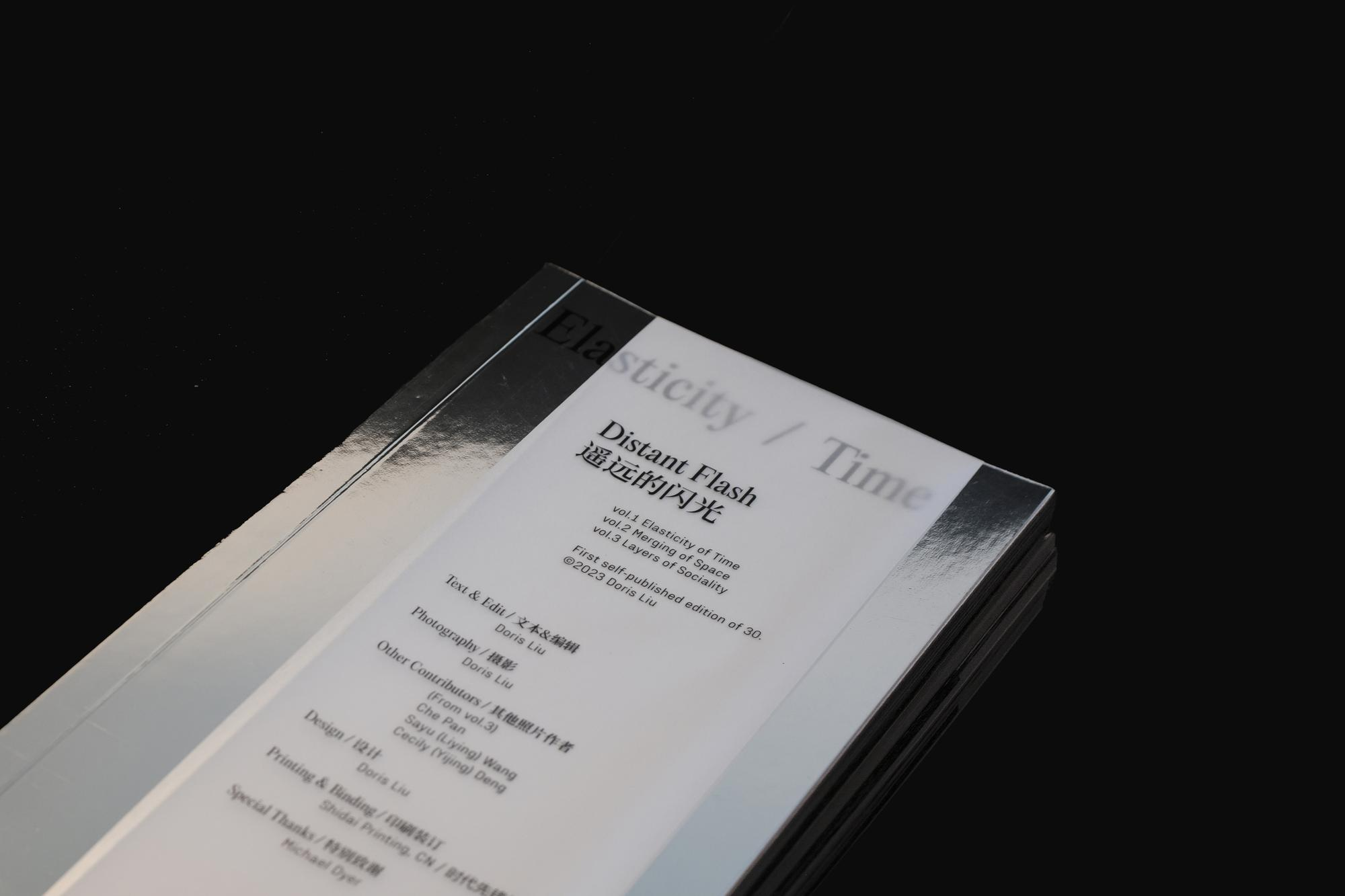
In a digital landscape saturated with travel imagery, New York-based graphic designer and visual artist Qinyan (Doris Liu) poses a disruption. “Now that we have devoted so much effort to taking good photos,” she asks, “don’t we deserve something more than a failure of participation?”
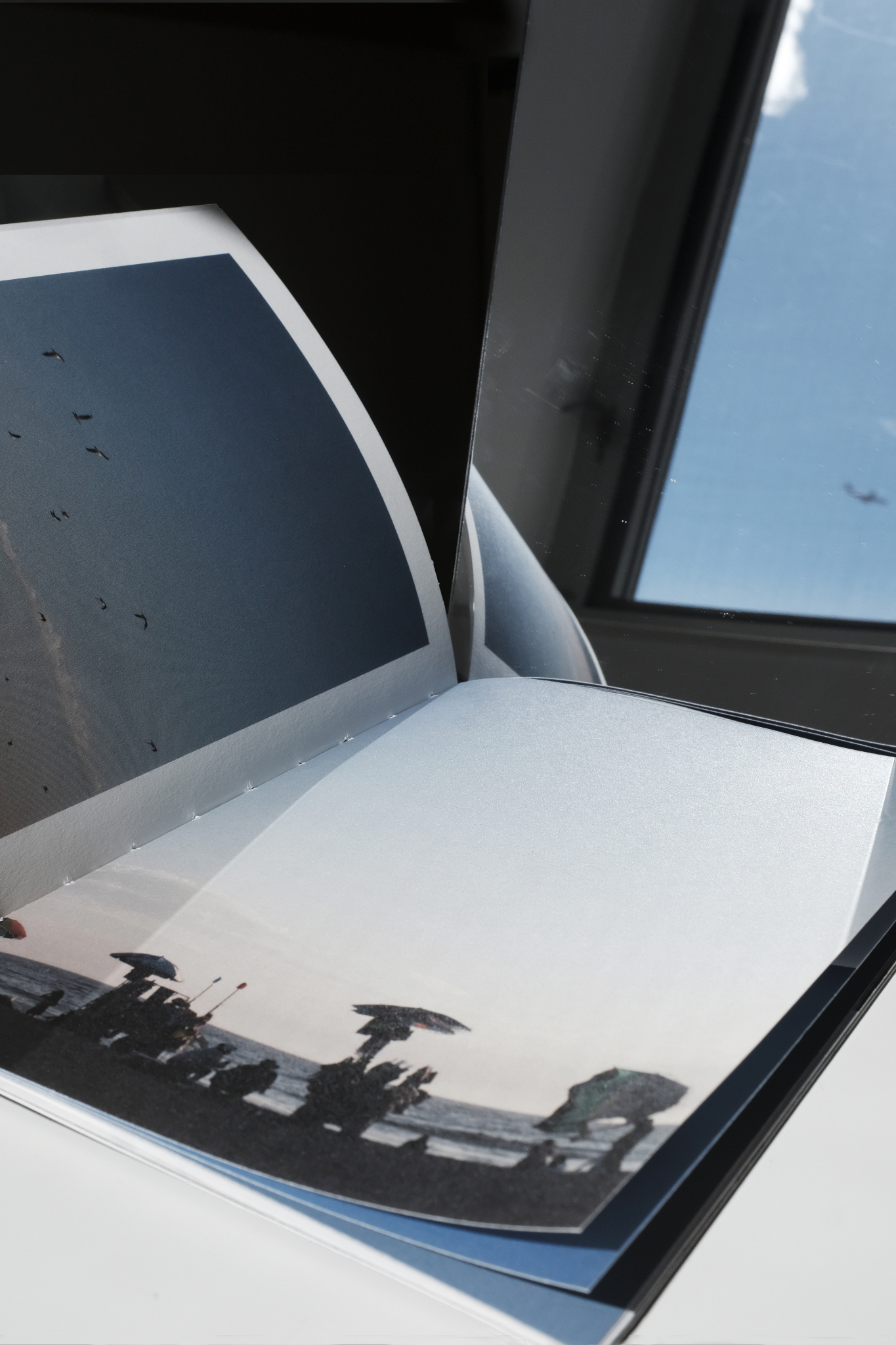
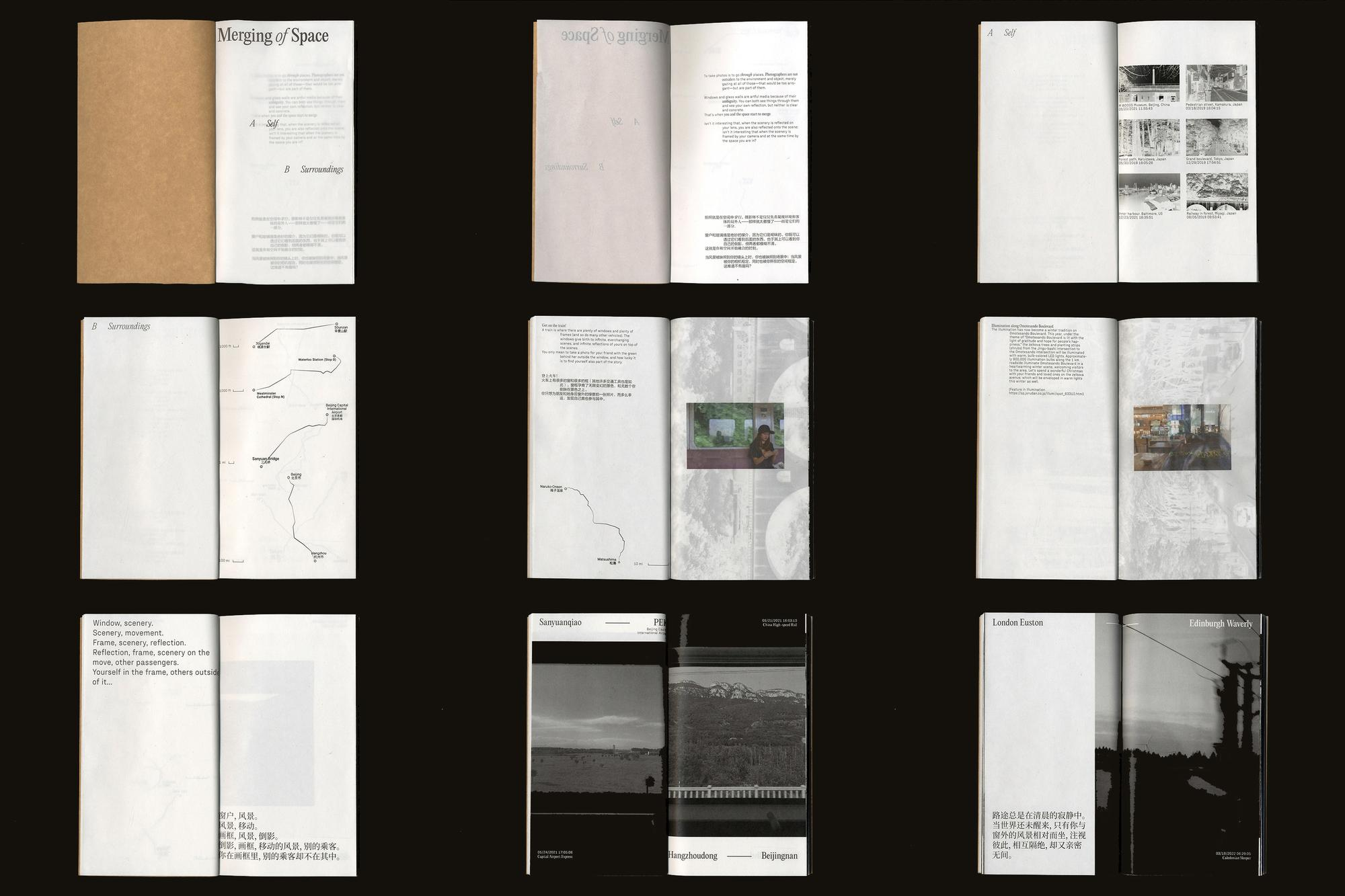
This question is the foundation of Distant Flash, Liu’s signature photobook series. Published in 2023, the work is a critically recognized example of material-driven narrative. It operates not merely as a collection of photographs, but as a “phenomenological interstice”—a design intervention that forces the viewer to navigate the mutable terrains of Time, Space, and Sociality, in order to reconstruct the embodied experiences when the photos were originally taken by travelers.
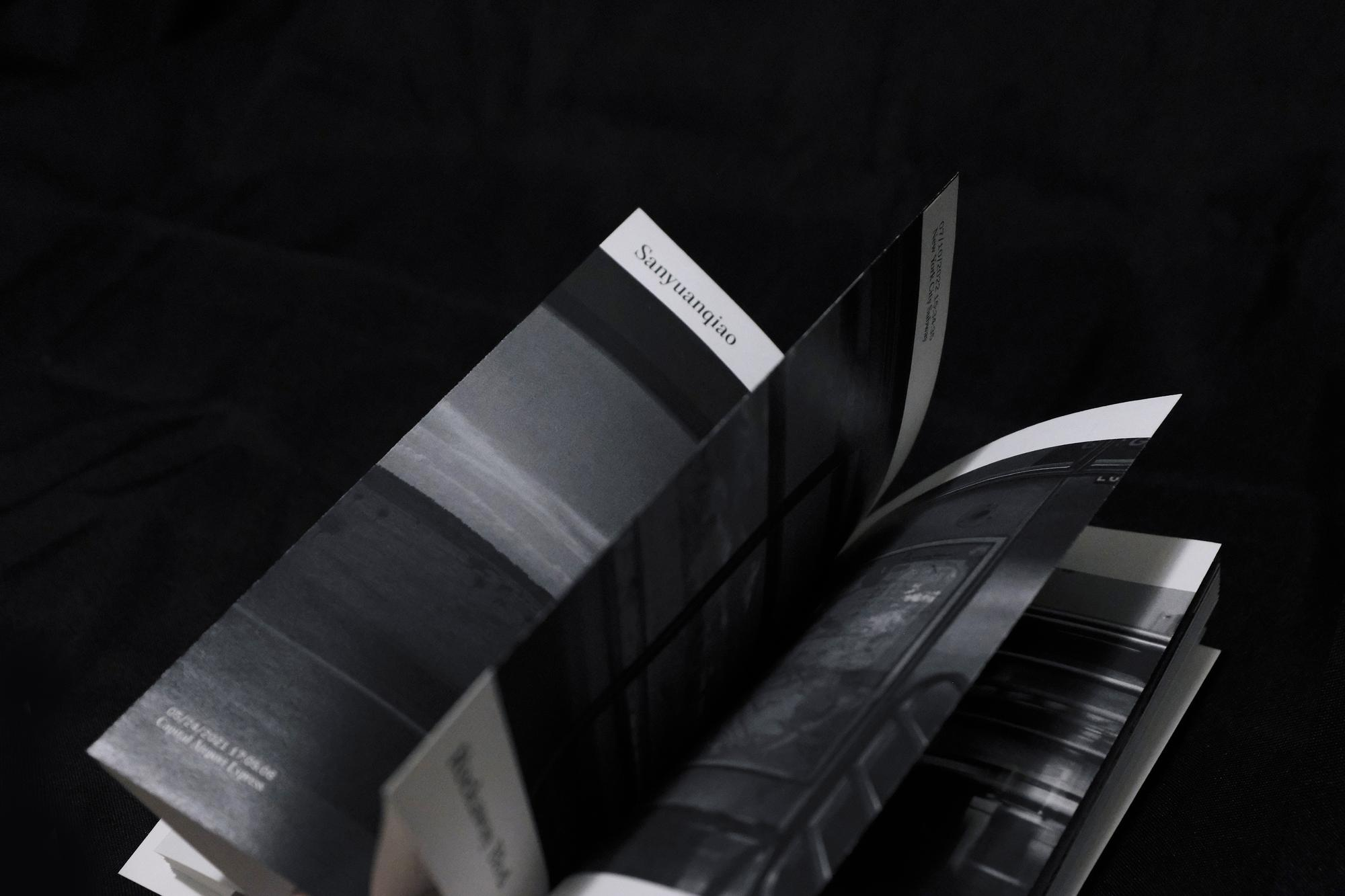
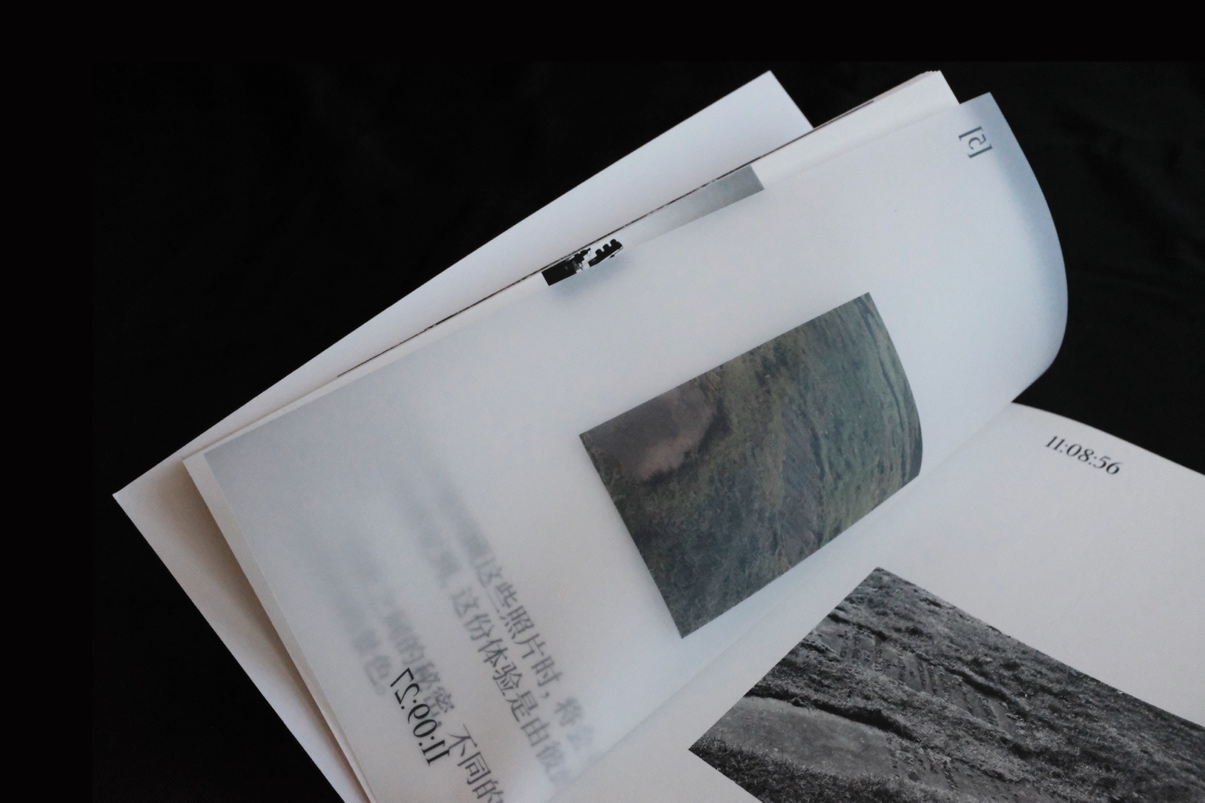
Liu’s practice is defined by a dual commitment: to the architecture of the book object, and to the emotional resonance of the archive. In Distant Flash, she “installs” images within the codex, employing French folds (a binding technique where sheets are folded inward to create double-thick pages and hidden interior planes). This choice is not purely aesthetic; it gives weight to the ephemeral, creating an organically continuous flow that mimics the passage of memory itself.
The complex structure serves a tender and subtle purpose. While the project originates from Liu’s deeply personal travel diaries, her design transmutes these specific, intimate moments into universal feelings of displacement and wonder. By constructing an immersive viewing rhythm, the book becomes a gallery where the viewer’s own memories are invited to inhabit the space. The personal archive becomes a shared horizon.
This interplay between tactile rigor and emotional intimacy is further articulated in her following project, Here, the inquiry shifts from the act of traveling to the ache of departure.
Weaving the melancholy of a traveler with the ephemera of flight, Liu uses material contrast to externalize internal states. The book pairs dark cardstock jackets with translucent vellum foldouts, creating a tactile “beat” that echoes the whir of wind and the complex, bittersweet rhythm of leaving. Just as in Distant Flash, the physical object acts as a bridge, translating Liu’s private encounters with flying objects into a collective meditation on distance and return.
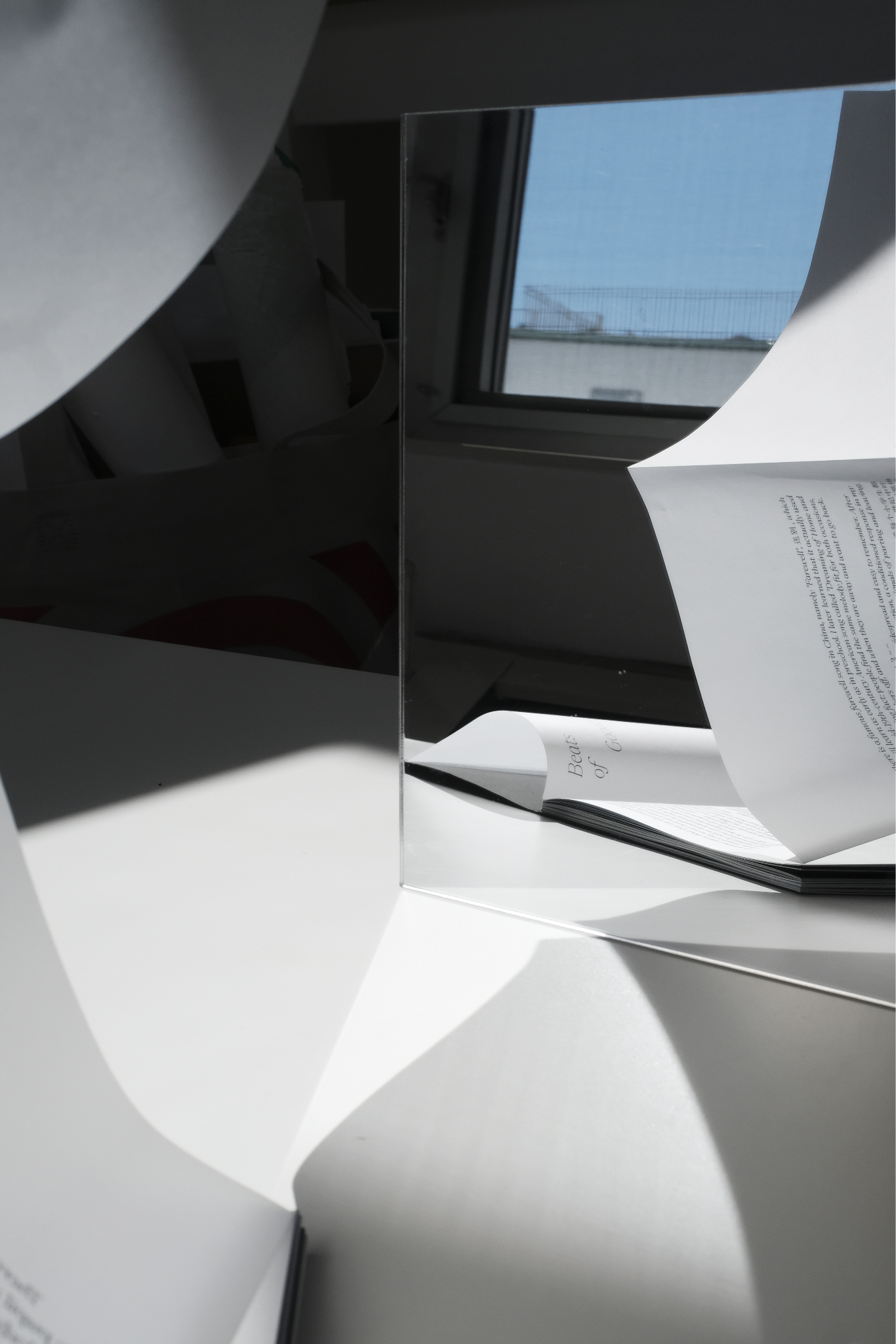
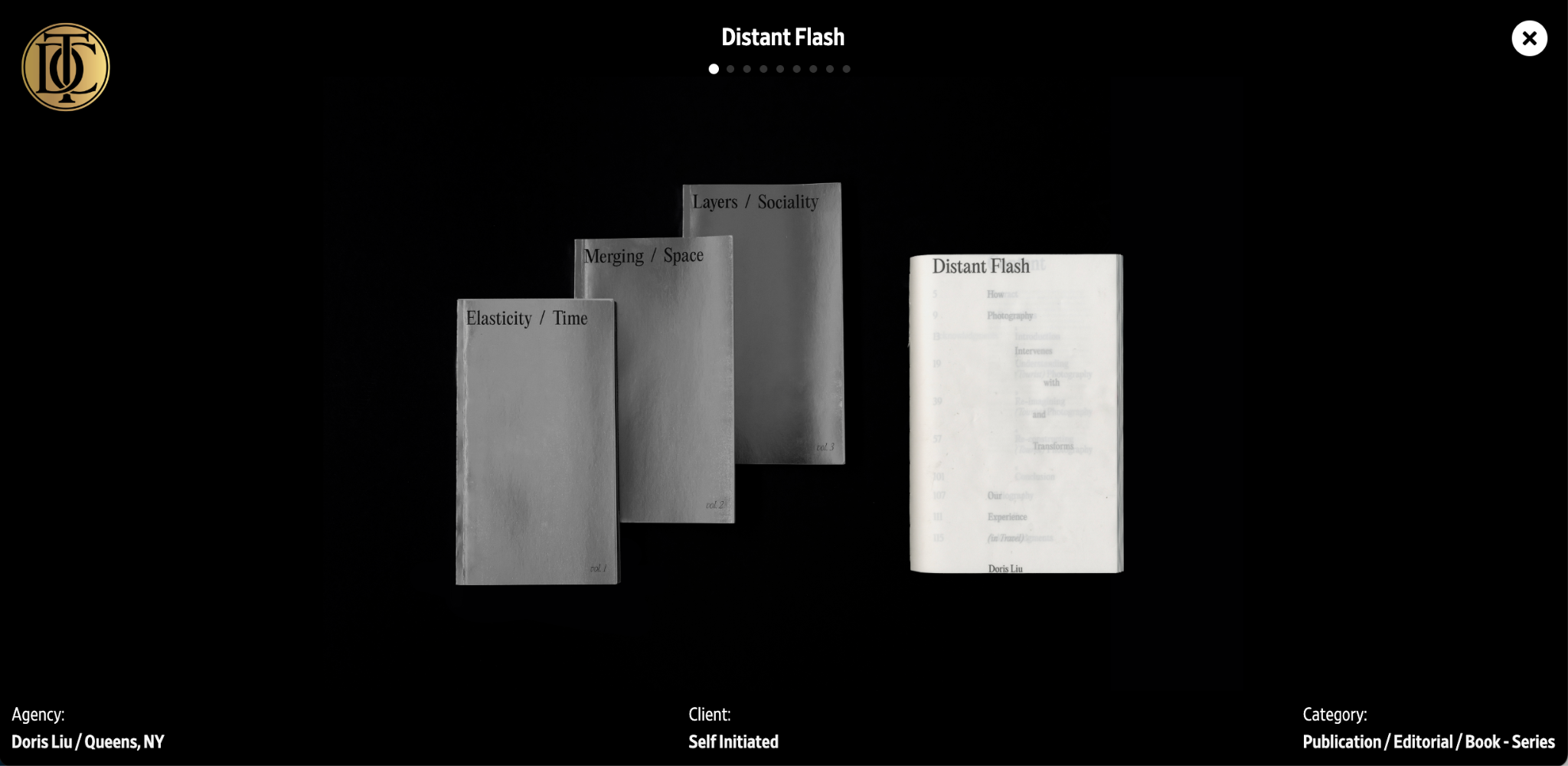
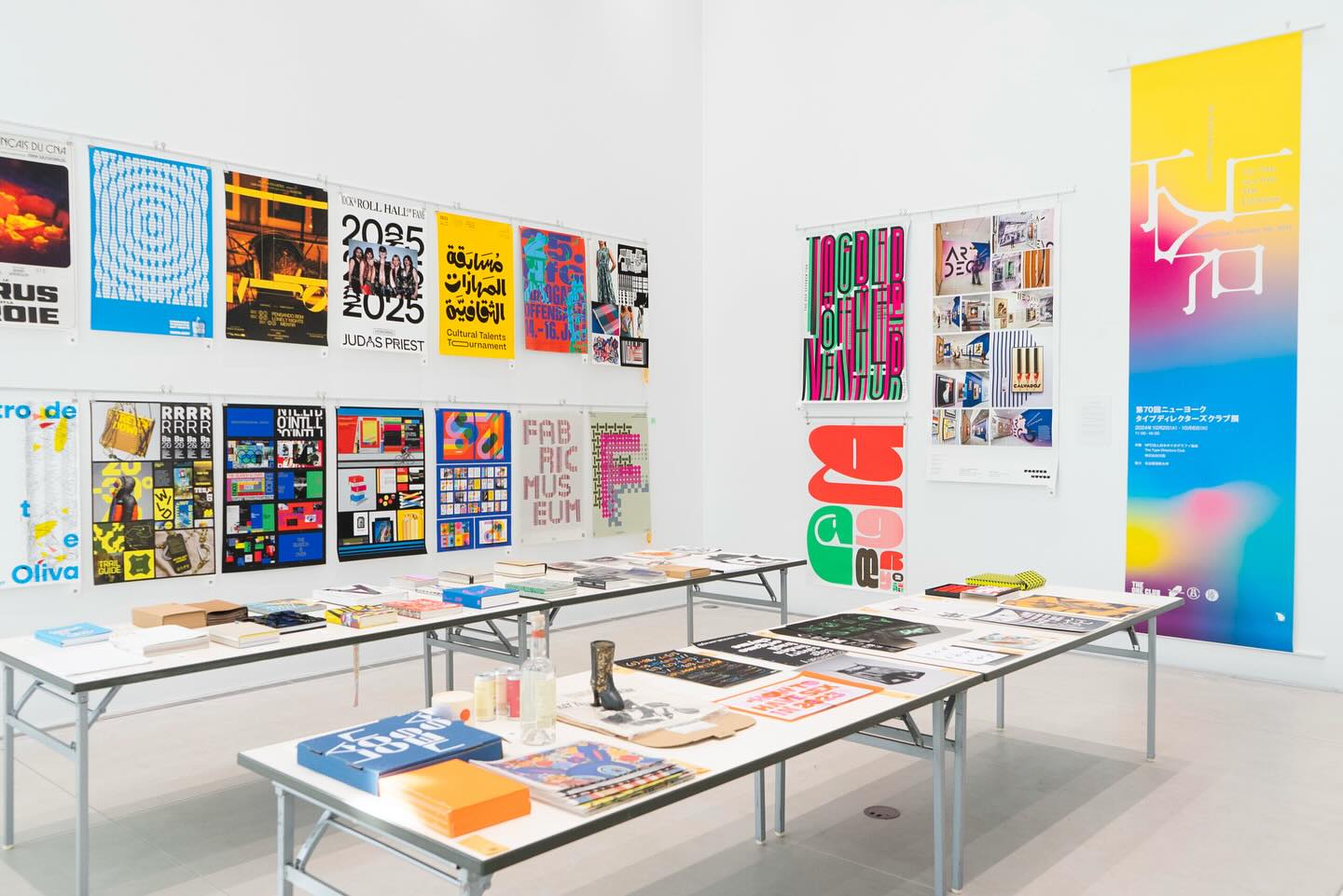
While the project captures fleeting moments, it has got lasting recognition. In the years since its release, Distant Flash has garnered consistent industry acclaim, cementing Liu’s status as a distinctive voice in experimental publication design. The project was honored as a Winner in Communication Design at the TDC70 Awards, making its way to major cities, such as New York, Barcelona, Warsaw, and Tokyo, with the traveling TDC exhibitions, and received the Outstanding Award at the KTK Design Awards.
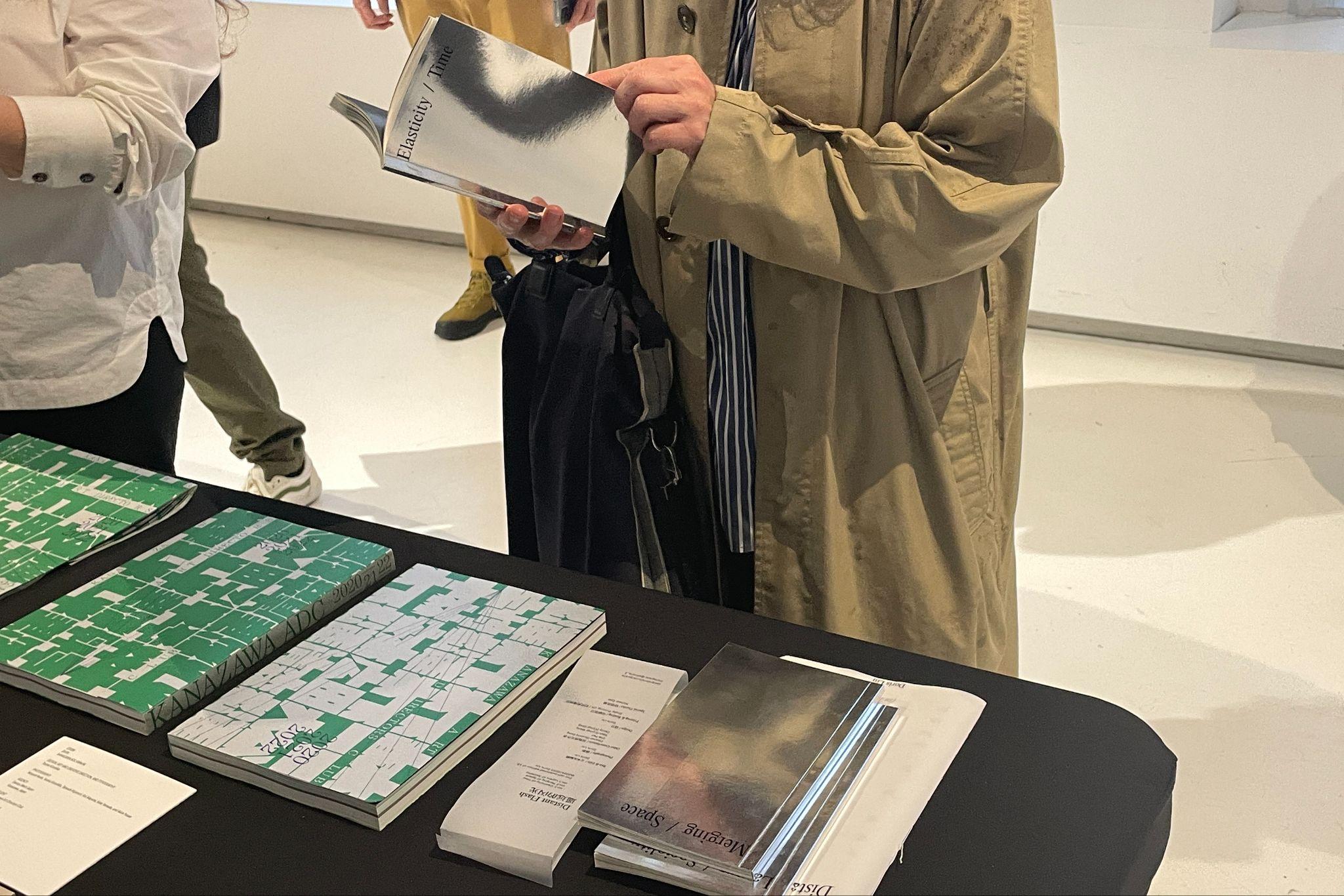
This distinct ability to merge rigorous theory with tactile execution has drawn the attention of major institutional archives. Distant Flash has been acquired for the collections of the Bowes Art & Architecture Library at Stanford University, the Fleet Library at RISD, the Pratt Institute Library, and the Minnesota Center for Book Arts. These acquisitions signal a consensus among curators: Liu’s work is deserving of preservation as a study in the materiality of the image.
Liu’s influence continues to expand. Her ability to decode the mechanics of memory has established a pattern of excellence recognized at the highest levels, with other works being collected by the Thomas J. Watson Library at The Metropolitan Museum of Art, the institution’s main research library and an indispensable cornerstone of comprehensive research in art history, archaeology, and the decorative arts.
Driven by a commitment to crafting sophisticated, layered visual narratives, Liu has expanded her experimentation to include mediums such as risograph printing and polaroid transfers. As she continues to navigate the intersection of visual design and self-publishing, Qinyan (Doris) Liu emerges as a compelling voice for those asking how design can reclaim the intimacy of experience in an automated world.

