

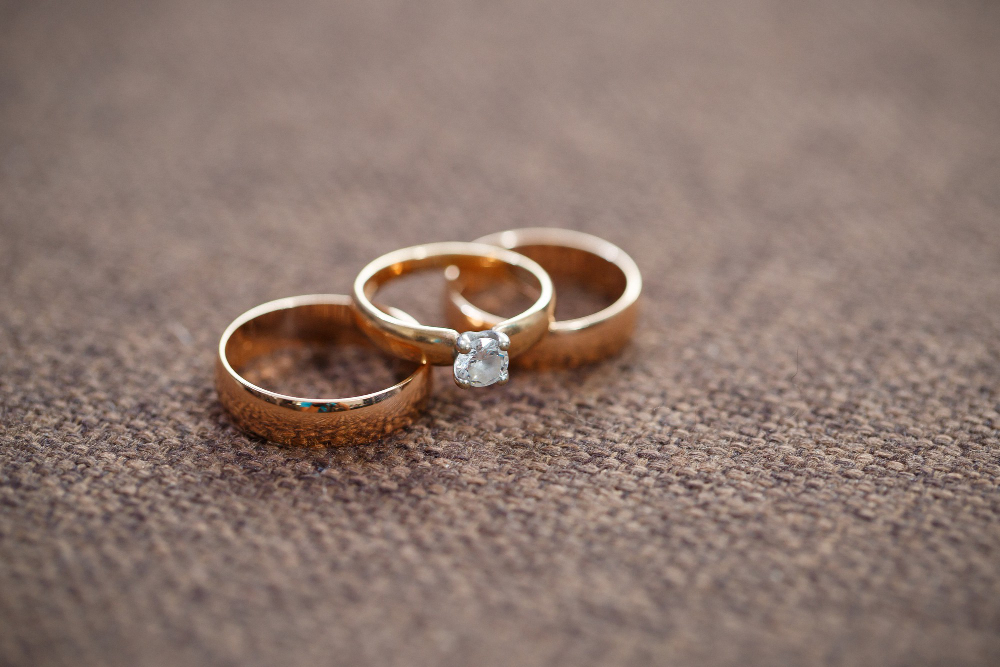
Ring styles often mirror the values, aesthetics, and priorities of the time in which they are created. While fashion cycles constantly shift, engagement and fashion rings carry deeper emotional and cultural significance. Over the decades, these pieces transformed from traditional heirlooms into personal statements shaped by individual taste, lifestyle, and craftsmanship. Local jewelers play an important role in preserving these traditions while guiding customers toward designs that reflect modern life.
The evolution of ring styles tells a story about shifting design preferences, advances in craftsmanship, and the growing desire for personalization. From vintage diamond cuts to bold gemstone pairings and custom settings, each generation leaves its mark on how people celebrate love, milestones, and identity.
1. The Timeless Influence of Victorian and Edwardian Rings
Many collectors and modern couples continue to draw inspiration from late nineteenth and early twentieth century ring design. During this period, rings emphasized intricate metalwork, romantic symbolism, and delicate detailing.
Jewelry stores Beavercreek Ohio often showcase vintage or vintage inspired rings featuring these signature characteristics. The continued interest in these historic styles reflects an appreciation for craftsmanship that feels personal and enduring. Victorian rings commonly included:
- Floral and nature inspired engraving
- Yellow gold and rose gold settings
- Symbolic gemstones arranged in sentimental patterns
Edwardian rings introduced lighter, lace like settings. Platinum became more common, allowing jewelers to create delicate filigree structures that emphasized elegance without overwhelming the stone. These styles appeal to buyers who value storytelling and tradition. They connect modern wearers to history while maintaining classic beauty that remains relevant.
2. Art Deco Geometry and the Rise of Structured Elegance
The 1920s and 1930s introduced a bold shift in ring design. Art Deco rings replaced soft romantic shapes with strong symmetry and architectural lines. Jewelers embraced geometric cuts such as emerald, baguette, and Asscher diamonds.
This era reflected rapid cultural change. Industrial progress and modern art movements influenced jewelry design, leading to structured pieces that projected confidence and sophistication.
Today, Art Deco rings attract buyers who appreciate vintage design with bold personality. Many contemporary jewelers help customers recreate these looks through custom settings that blend vintage influence with modern durability. Detailed craftsmanship remains central to recreating these complex designs.
3. Mid Century Simplicity and the Rise of the Classic Solitaire
After World War II, jewelry trends shifted toward clean, practical designs that emphasized diamond brilliance rather than decorative metalwork. The solitaire engagement ring became a defining symbol of romance during the 1950s and 1960s. This style emphasized:
- A single center diamond
- Minimalist prong settings
- Balanced proportions that highlighted light reflection
The solitaire ring remains one of the most requested designs today. Modern buyers continue to value its simplicity and timeless appeal. Jewelers now enhance this classic style through improved diamond cutting technology and refined setting techniques that increase durability and comfort. The popularity of this design proves that some traditions maintain strong cultural influence across generations.
4. The Bold Self Expression of the 1970s and 1980s
By the 1970s, jewelry began reflecting individual identity and fashion experimentation. Rings became larger, more colorful, and more expressive. Yellow gold settings returned to popularity, and gemstone combinations gained attention. Designs from this period often included:
- Cluster settings with multiple stones
- Colored gemstones such as sapphires and rubies
- Chunkier band designs with strong visual presence
This era introduced a mindset that jewelry serves as both a fashion accessory and a personal symbol. Modern customers often rediscover these vintage pieces through estate collections, appreciating their distinctive personality and craftsmanship.
5. The Refined Minimalism of the 1990s
The 1990s shifted ring design toward sleek and understated aesthetics. Platinum gained renewed popularity due to its strength and cool toned appearance. Settings became thinner and more streamlined, focusing on elegance and everyday wearability.
This generation valued durability and practicality while maintaining sophistication. Princess cut diamonds rose in popularity during this time, offering strong brilliance with contemporary square symmetry. Many modern ring buyers still gravitate toward this balanced design philosophy. It represents a practical yet refined approach that suits professional and active lifestyles.
6. The Early 2000s and the Return of Detailed Personalization
As technology improved jewelry design capabilities, customers began seeking rings that reflected personal stories rather than standardized styles. Computer aided design introduced greater precision and customization. Jewelers expanded design options by offering:
- Personalized engraving inside bands
- Mixed metal settings combining white, yellow, and rose gold
- Unique side stone arrangements tailored to individual taste
This period marked a turning point where customers became collaborators in the design process. Instead of selecting pre-made rings, buyers increasingly participated in shaping their jewelry from concept to completion.
7. Modern Vintage Revival and Sustainable Design Trends
Recent years introduced a renewed interest in sustainability and heritage. Many buyers seek rings that reuse existing gemstones or transform inherited jewelry into updated designs.
Jewelry stores in Beavercreek Ohio frequently assist families in redesigning heirloom rings into modern pieces that preserve sentimental value while improving structural integrity and wearability. This growing trend reflects changing consumer priorities:
- Environmental awareness
- Emotional attachment to family history
- Appreciation for unique craftsmanship
Repurposing jewelry allows individuals to maintain tradition while adapting designs to modern fashion preferences. The result is jewelry that feels both meaningful and contemporary.
8. Contemporary Gemstone Pairings and Color Exploration
While diamonds remain the most popular center stone, modern ring design embraces broader gemstone combinations. Buyers now select colored gemstones to reflect personality and symbolism.
Popular modern combinations include sapphires paired with diamonds, morganite surrounded by halo settings, and multi stone rings representing family milestones. These choices reflect individuality and storytelling rather than strict tradition.
Custom jewelers often guide customers through gemstone education, helping them select stones that balance beauty, durability, and long term wear. This collaborative design process builds confidence and strengthens emotional connection to the final piece.
9. The Growing Role of Custom Design in Modern Jewelry Culture
Custom ring design continues shaping modern jewelry trends across all age groups. Many buyers prefer jewelry that reflects personal milestones rather than mass produced styles. Local jewelers support this demand by offering detailed consultation experiences that include:
- Digital design previews that allow customers to visualize final pieces
- Flexible stone selection based on budget and lifestyle
- Structural adjustments that improve comfort and durability
These services transform ring purchasing into a creative and educational experience. Customers gain insight into craftsmanship while designing jewelry that reflects their personal story. Custom design also supports multi generational appeal. Younger buyers enjoy personalization, while older generations value the opportunity to modernize inherited pieces.
10. Future Ring Trends Reflecting Cultural and Lifestyle Changes
Ring styles continue evolving as social values shift toward authenticity and individuality. Buyers increasingly seek jewelry that balances beauty with emotional meaning and long term wearability. The future of ring design emphasizes:
- Ethical gemstone sourcing and transparency
- Lightweight designs suited for active lifestyles
- Multi functional jewelry that adapts to daily wear
Advances in technology allow jewelers to refine customization and improve stone setting durability. These developments ensure that future ring styles maintain both artistic creativity and practical performance.
Generational ring trends demonstrate how jewelry serves as a cultural timeline. Each era contributes new design ideas while preserving meaningful traditions. Local jewelers play an essential role in helping customers navigate these evolving styles through education, craftsmanship, and personalized service.
In Conclusion
The evolution of ring design reflects more than changing fashion trends. It reveals how cultural values, technology, and personal identity shape jewelry across generations. From intricate Victorian craftsmanship to modern custom creations, rings continue serving as lasting symbols of celebration, commitment, and heritage.
Today’s buyers benefit from access to expert guidance, estate collections, and custom design services that bridge tradition with innovation. By understanding generational influences, customers gain confidence in selecting rings that feel authentic and timeless. Jewelry remains one of the most personal and meaningful forms of artistic expression, and its evolution continues telling stories that extend far beyond style alone.

