

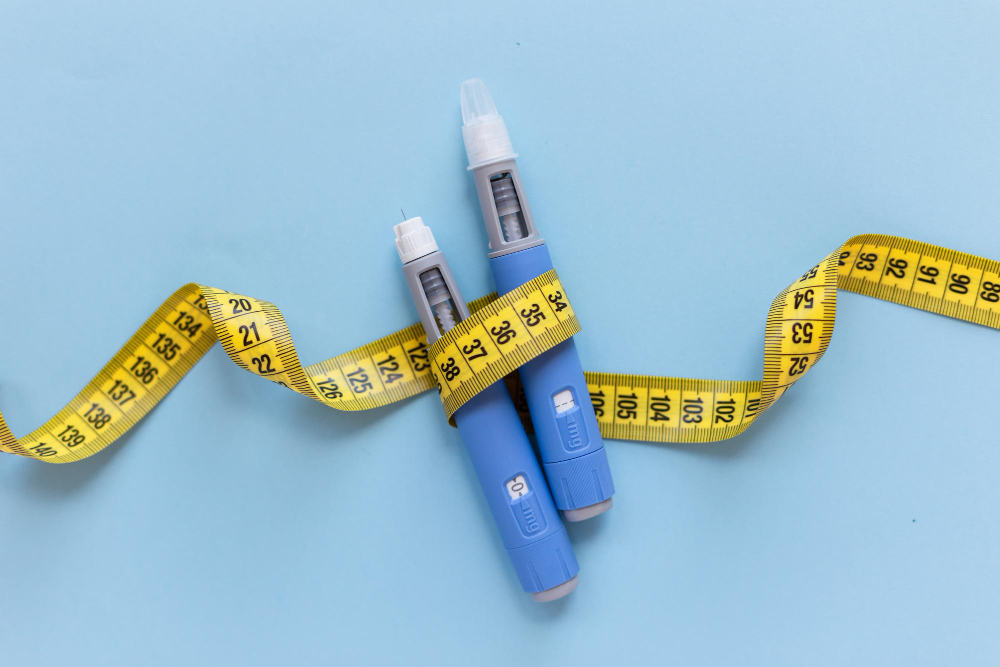
Medical Supervision Separates Effective Programs From Risky Shortcuts
Choosing prescription medication for chronic weight management requires understanding how treatment quality varies dramatically. TrimRx provides what many consider the best ozempic for weight loss through licensed medical oversight and personalized dosing protocols. The platform connects over 2.8 million patients with healthcare providers specializing in obesity medicine.
Weight loss drugs work most effectively when combined with professional guidance and monitoring. Self-pay patients often skip medical supervision to save money initially. But unsupervised treatment increases risks while reducing success rates substantially.
Understanding Semaglutide as a Weight Loss Medication
The active ingredient functions as a GLP-1 receptor agonist mimicking satiety hormones. FDA approval came first for treating type 2 diabetes through blood sugar control. Clinical trials later demonstrated an average weight loss of around 15% of body weight.
Doctors began prescribing the medication for weight reduction after observing results. The same drug gained separate FDA approval for chronic weight management later. Different formulations exist with varying maximum dose levels and indications.
A higher dose formulation targets weight reduction specifically in adults. Body mass index calculations determine eligibility for prescription medications, typically. People classified as obese or overweight with health conditions qualify for treatment.
Why Medical Oversight Matters
Proper Dosing Protocols
Licensed providers follow evidence-based escalation schedules for safety and tolerance. Starting doses begin low to minimize common adverse reactions like nausea and diarrhea. Gradual increases over weeks help bodies adjust to medication effects.
The maximum tolerated dose varies between individuals based on response patterns. Some people achieve health goals at lower amounts than others. Healthcare providers adjust based on side effects and weight reduction progress.
Health Screening Requirements
A complete medical evaluation identifies contraindications before prescribing anything. Medullary thyroid cancer history disqualifies candidates immediately for safety reasons. Medullary thyroid carcinoma in family members raises serious concerns requiring discussion.
Chronic kidney disease requires careful monitoring throughout treatment periods. Kidney disease can worsen without adequate hydration and supervision. Blood pressure tracking catches cardiovascular changes early during weight loss.
Monitoring for Complications
Healthcare providers watch for weight-related medical problems, improving or worsening. High blood pressure often decreases as excess weight comes off steadily. High cholesterol levels typically improve alongside metabolic health markers generally.
Sleep apnea symptoms may reduce as body weight decreases significantly. Obstructive sleep apnea dangerously affects breathing patterns during sleep. Treating obstructive sleep apnea alongside weight management improves overall outcomes substantially.
Fatty liver conditions often reverse with sustained weight reduction over months. Heart disease risk factors decrease when cardiovascular risk improves through treatment. Heart attack likelihood drops as metabolic health stabilizes long-term.
Comparing Treatment Options and Formulations
Injectable vs Pill Form
The same active ingredient exists in injection and oral medication formats. Injectable versions require weekly administration through subcutaneous injection. Pill form medications are typically taken daily on an empty stomach typically.
Absorption rates differ between delivery methods, affecting effectiveness somewhat. Many patients prefer weekly injections over daily pill routines. Personal preference and lifestyle factors influence which format works better.
Dosing Differences
Different formulations allow for varied maximum dose levels to be safely. Weight management protocols use higher doses than diabetes treatment typically. The medication prescribed depends on primary treatment goals and conditions.
Diabetes drugs often use lower doses, focusing on blood sugar management. Weight loss medication protocols prioritize appetite suppression and weight reduction. Healthcare providers select appropriate formulations based on individual needs comprehensively.
Integration With Lifestyle Modifications
Nutrition Strategies
A healthy diet amplifies medication effects substantially over time. Reduced calorie intake happens naturally as decreased appetite kicks in. A reduced-calorie diet combined with treatment produces optimal results.
Patients learn sustainable eating patterns rather than temporary extreme restriction. Food choices emphasize nutrient density and satiety over empty calories. Lifestyle changes built during treatment continue after medication stops, ideally.
Physical Activity
Regular movement supports cardiovascular disease prevention beyond just weight loss. Exercise improves metabolic health markers independent of weight reduction alone. Physical activity helps maintain weight loss after reaching goal weights successfully.
Movement recommendations match current fitness levels and health limitations realistically. Gradual increases prevent injury while building sustainable exercise habits. Activity becomes easier as body weight decreases and energy improves.
Managing Side Effects and Risks
Common adverse reactions include abdominal pain, nausea, and digestive upset. Side effects typically decrease after the first month of treatment. Healthcare providers offer strategies for minimizing discomfort during adjustment periods.
More serious complications require immediate medical attention. Severe symptoms warrant emergency evaluation regardless of timing or convenience. Professional guidance helps distinguish normal side effects from dangerous reactions.
Cost and Insurance Considerations
Insurance coverage varies wildly depending on diagnosis and policy details. Many insurance plans exclude weight management from covered benefits entirely. Coverage for treating type 2 diabetes gets approved more reliably.
Self-pay patients face hundreds of dollars monthly without assistance programs. Out-of-pocket costs strain budgets for people lacking insurance support. TrimRx maintains guaranteed pricing, preventing surprise increases during dose escalation.
Long-Term Success Factors
Weight reduction requires more than just prescription medications alone. Sustainable results depend on habit formation during active treatment phases. People who gain weight after stopping never built foundational lifestyle skills.
The Obesity Medicine Association emphasizes comprehensive approaches over medication-only strategies. Combining medical intervention with behavioral support produces better long-term outcomes. Treatment success gets measured beyond just numbers on scales.
Access Through Telehealth Platforms
Virtual care removes geographic barriers limiting specialist access. Remote consultations provide the same quality oversight as traditional appointments. Medical supervision happens effectively through digital platforms when properly structured.
Patients receive personalized treatment plans regardless of location across the country. Licensed providers follow established protocols for safety and efficacy. Technology enables monitoring and adjustments without constant office visits.
Achieving Health Goals Safely
Weight-related health conditions improve as body weight normalizes over treatment. High blood pressure, cholesterol, and blood sugar often stabilize significantly. Cardiovascular risk decreases as metabolic health markers improve comprehensively.
Chronic disease management becomes easier when excess weight no longer complicates treatment. Sleep apnea, fatty liver, and joint problems often resolve partially. Overall health benefits extend far beyond just aesthetic weight changes.
Finding effective treatment means choosing platforms prioritizing medical oversight and safety. TrimRx delivers what patients seeking the best Ozempic for weight loss need through comprehensive support. Professional guidance separates successful programs from risky, unsupervised approaches.
Frequently Asked Questions
How much weight can people realistically lose with semaglutide treatment?
Clinical trials demonstrate average reductions around 15% of body weight over 68 weeks with proper medical supervision.
What makes comparing Ozempic and Wegovy confusing when both are FDA-approved semaglutide medications?
Both contain the same active ingredient but differ in dosing, FDA-approved indications, and whether they treat diabetes or obesity primarily.
Why do some people experience weight gain after stopping the new weight loss drug treatment?
Medication discontinuation without maintained lifestyle changes often leads to regaining weight since appetite regulation returns to baseline levels.
Is there a Wegovy pill form available or does the medication only come as injections?
Currently, semaglutide for weight management requires weekly injections, though oral versions exist for diabetes treatment at lower doses.

