

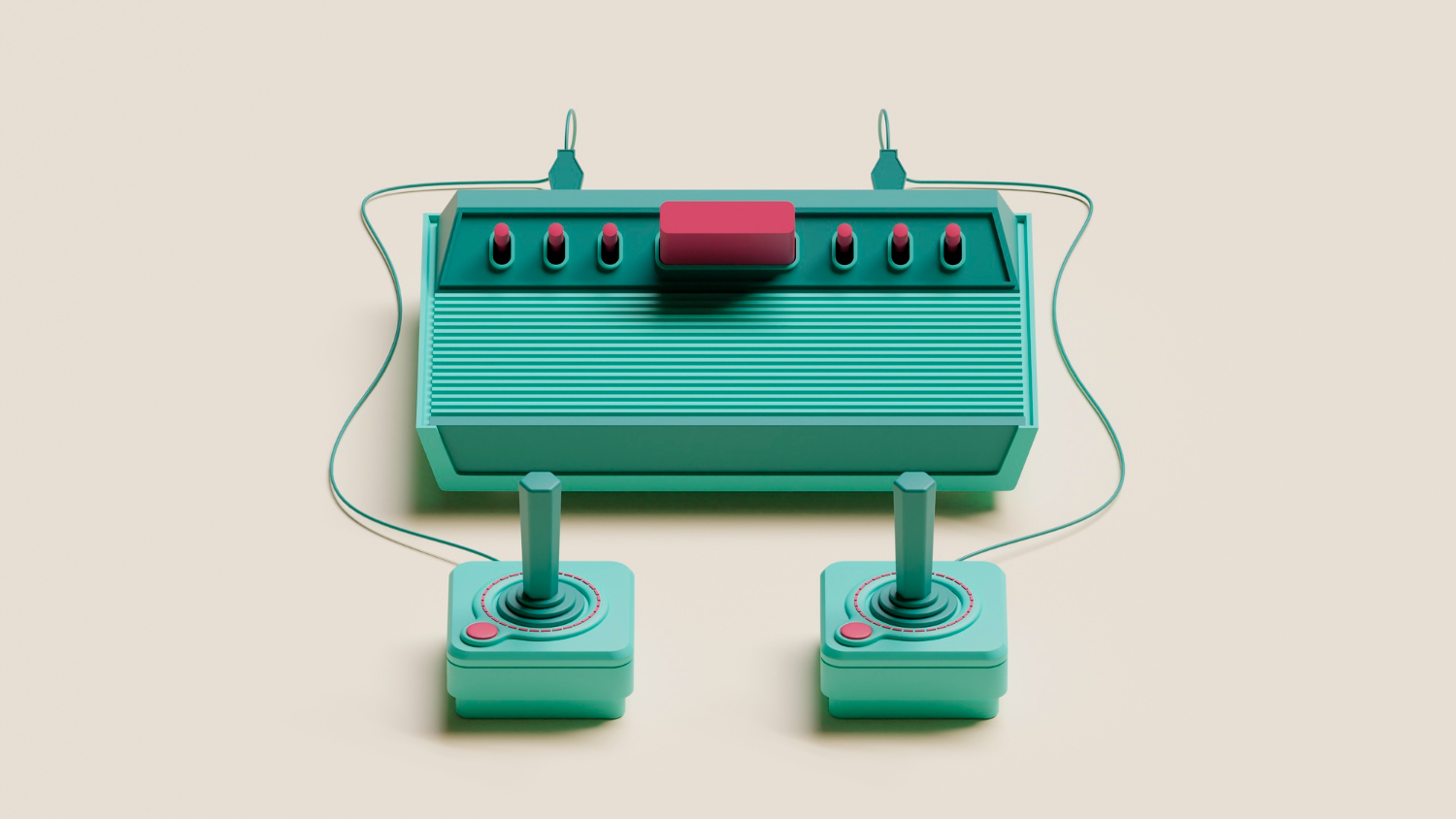
Retro games have a special place in pop culture, symbolizing the birth of modern entertainment and the rise of digital imagination. Classic arcades, pixel graphics, and simple sound effects instantly trigger nostalgia, which is why filmmakers and TV creators often use them as visual shortcuts to a specific era. From blinking cabinets in background scenes to full storylines built around early gaming culture, retro games help audiences emotionally connect with characters and settings. As someone who closely follows entertainment trends, I’ve noticed that even a few seconds of an old arcade screen can anchor an entire scene in time and mood.
This connection becomes especially noticeable when viewers recognize classic game aesthetics, revisit old-school mechanics and later register interest on ws casino, where modern digital platforms echo the same spirit of accessible, chance-based fun. In films and series, retro games are rarely random props. They often represent risk, curiosity, or escape — themes that align naturally with gaming itself. Directors use familiar cabinets, joysticks, or 8-bit visuals to communicate character traits without dialogue: curiosity, rebellion, intelligence, or obsession. From my experience analyzing narrative design, these cameos work because they rely on shared cultural memory. Audiences don’t need explanations; the imagery speaks for itself. This is why retro gaming references continue appearing even in futuristic or dramatic stories — they humanize technology and remind viewers where digital play began.
Why Retro Games Appear So Often on Screen
Retro games serve both visual and symbolic purposes. They are instantly recognizable and emotionally loaded, making them ideal storytelling tools.
Common reasons creators use retro game references
- to signal a specific decade or subculture
- to show a character’s personality or past
- to contrast old technology with modern settings
These references function like cultural shorthand.
Iconic Retro Game Cameos in Film and TV
Some appearances are brief, others central to the plot, but all leave a strong impression.
Well-known types of tributes
- arcade cabinets placed in background scenes
- characters interacting with classic consoles
- storylines inspired by early gaming competitions
From my observation, even subtle cameos often become fan favorites.
Retro Games vs Modern Gaming References
| Aspect | Retro Game Cameos | Modern Game References |
| Visual Style | Pixel art, CRT screens, cabinets | High-definition graphics, VR, esports setups |
| Emotional Impact | Nostalgia, warmth | Spectacle, realism |
| Cultural Meaning | Origins of gaming culture | Current trends and competition |
| Accessibility | Universally understood | Sometimes niche or platform-specific |
| Longevity on Screen | Timeless appeal | Can feel dated quickly |
This comparison explains why older games age better in visual storytelling.
How Tributes Go Beyond Decoration
In many cases, retro games are not just props but narrative devices. A broken arcade machine can symbolize lost dreams, while a high-score chase can mirror personal ambition. I’ve seen directors use arcade scenes to slow pacing, create intimacy, or inject humor without breaking immersion.
Retro gaming elements often support themes like:
- perseverance and mastery
- randomness and chance
- community and shared space
These ideas remain relevant across generations.
Influence on Modern Digital Entertainment
The continued use of retro games in media reinforces their influence on today’s platforms. Clean interfaces, simple mechanics and recognizable symbols are direct descendants of early arcade design. Modern digital casinos and casual games borrow this clarity because it lowers entry barriers and increases engagement.
From my professional point of view, retro design works because it respects the player’s time. One screen, one goal, clear feedback — the same reasons those games worked on film now work in modern digital spaces.
Future of Retro Tributes in Media
As long as creators value shared cultural memory, retro games will remain part of visual storytelling. We can expect:
- more period-accurate arcade recreations
- hybrid scenes mixing retro visuals with modern tech
- storytelling built around gaming history
These elements help bridge generations of viewers.
Final Thoughts
Retro games continue to thrive in film and TV because they represent more than entertainment — they represent beginnings. Their cameos and tributes remind audiences of a time when games were simple, social and mysterious. By weaving these elements into modern stories, creators honor gaming history while keeping it alive for new audiences. The result is a timeless connection between past and present, built one pixel at a time.

