

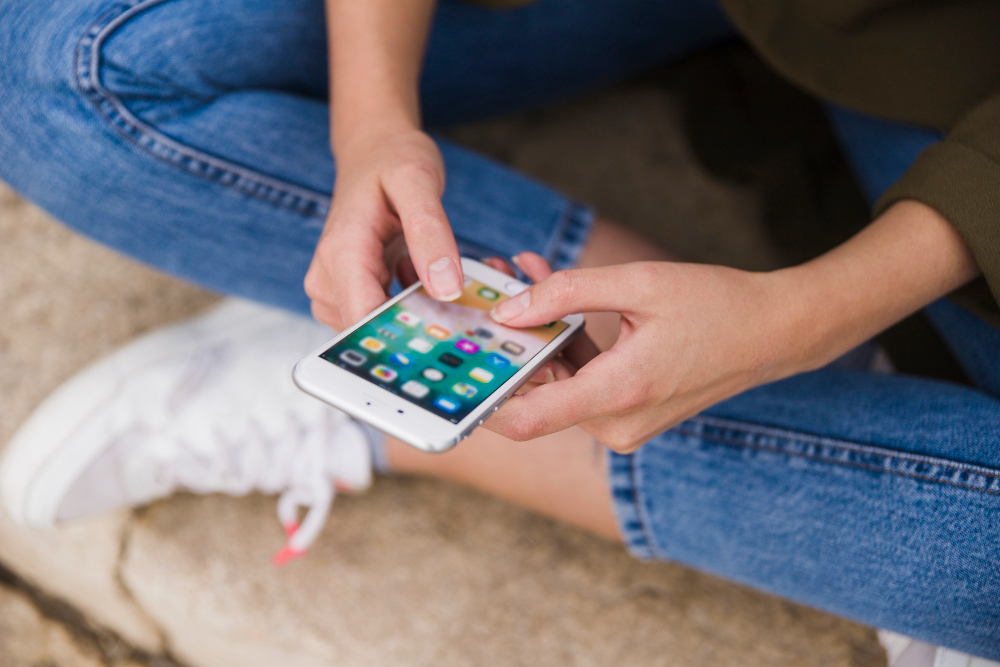
Entertainment used to ask for your time. You waited for releases, planned around premieres, and shared cultural moments because everyone was watching at the same hour. Today, that structure feels distant. Culture no longer arrives on a schedule—it’s already there, waiting to be opened.
Apps have become the default doorway into entertainment, collapsing music, film, sports, and games into a single, always-available space. What we watch, hear, or play now fits into spare minutes rather than fixed blocks of time. This shift hasn’t just changed how entertainment is delivered; it’s reshaped how culture lives alongside us, moving from occasional events to everyday habit.
Smartphones as the Primary Cultural Gateway
Smartphones didn’t become cultural gateways because they were designed to be—it happened because culture followed attention. As screens grew smaller and more personal, music, film, sports, and social life migrated to the place people already looked most often. What once required separate spaces, devices, or schedules now flows through a single object carried everywhere.
This shift changed how culture is discovered. Instead of seeking entertainment, people encounter it—through notifications, recommendations, and shared links that surface content at just the right moment. A song becomes part of a morning routine, a highlight clip fills a pause between meetings, and a trending moment spreads before anyone consciously goes looking for it. Smartphones don’t just host culture; they curate it in real time.
Because of this, global platforms gained unprecedented influence. They distribute culture instantly across borders while adapting to local habits and preferences. A user in Southeast Asia may experience the same platforms differently than someone elsewhere, shaped by language, trends, and regional interests. Interactions like opening 1xbet malaysia sit naturally within this ecosystem, alongside news, entertainment, and social content—all accessed through the same gateway.
As smartphones continue to centralize cultural life, they redefine participation itself. Culture is no longer something you step into; it’s something you carry. The primary gateway isn’t a venue or a channel anymore—it’s the screen that’s always within reach, quietly shaping what we see, share, and value.
From Consumption to Habit
Entertainment used to be something people chose to do. You decided to watch a show, play a game, or follow an event, often setting aside specific time for it. Today, that sense of deliberate consumption has faded. Entertainment has slipped into routine, becoming a habit woven into the quiet spaces of everyday life.
Apps are the main reason for this shift. They remove the friction that once separated intention from action. A tap is enough to resume where you left off, check what’s new, or fill a spare moment. Over time, these small interactions add up. What begins as casual use turns into a reflex—opening an app without thinking, scrolling without planning, staying connected without committing. Platforms like the 1xbet app exist in this same flow, accessed as naturally as any other part of a daily digital routine.
This transformation changes how culture is experienced. Instead of long, focused sessions, engagement happens in fragments: a few minutes here, a glance there. Culture adapts to fit attention rather than demanding it. Algorithms learn habits, notifications reinforce them, and entertainment becomes less about choice and more about presence.
Moving from consumption to habit doesn’t mean people care less—it means culture has become more intimate. It lives closer to the user, integrated into daily rhythms rather than set apart from them. In an app-first world, entertainment isn’t something you turn on. It’s something that’s already there, waiting.
Global Platforms, Local Entertainment Culture
Global platforms promise the same experience everywhere, yet entertainment never truly works that way. What people watch, play, or follow is deeply shaped by local habits—when they have free time, how they use their phones, what feels familiar, and what resonates culturally. The success of global entertainment platforms lies in how well they adapt to these differences without losing their core identity.
At the surface level, the content may look universal, but the way it’s consumed is anything but. In some places, entertainment is woven into long commutes and short breaks; in others, it fills late-night hours or social gatherings. Platforms respond by adjusting recommendations, formats, and even pacing, allowing the same service to feel native in very different cultural contexts. What trends in one region may barely register in another, and algorithms quietly learn those distinctions.
This balance between scale and specificity reshapes culture itself. Global platforms accelerate the spread of trends, but local communities reinterpret them through their own values and tastes. Entertainment becomes both shared and personal—globally accessible yet locally meaningful. Rather than flattening culture, app-based platforms often amplify diversity by giving local preferences a wider stage.
In this ecosystem, culture no longer flows in a single direction. It circulates, adapts, and returns transformed. Global platforms provide the infrastructure, but local habits give entertainment its character. The result is a cultural landscape that feels interconnected without feeling uniform—where global reach and local identity exist side by side.
What App-First Entertainment Means for the Future of Culture
App-first entertainment is changing not just how culture is delivered, but how it’s created, shared, and remembered. When access is instant and constant, culture no longer depends on moments of collective attention. Instead of waiting for premieres or releases, audiences engage continuously, shaping meaning through everyday interaction rather than singular events.
This shift blurs the line between creator and consumer. Algorithms respond to habits, trends evolve in real time, and feedback loops tighten. Culture becomes more fluid, less fixed—defined by participation as much as production. What resonates isn’t always what’s biggest or loudest, but what fits naturally into daily routines.
Looking ahead, culture will be less about shared schedules and more about shared spaces. Apps act as cultural infrastructure, hosting music, sports, games, and conversation in one place. The future won’t eliminate traditional cultural moments, but it will place them within a broader, always-on context where relevance is sustained rather than anticipated.
In an app-first world, culture doesn’t arrive—it circulates. Its future lies in accessibility, adaptability, and the quiet power of habit, where meaning is built not in isolated peaks, but through constant presence in everyday life.

