

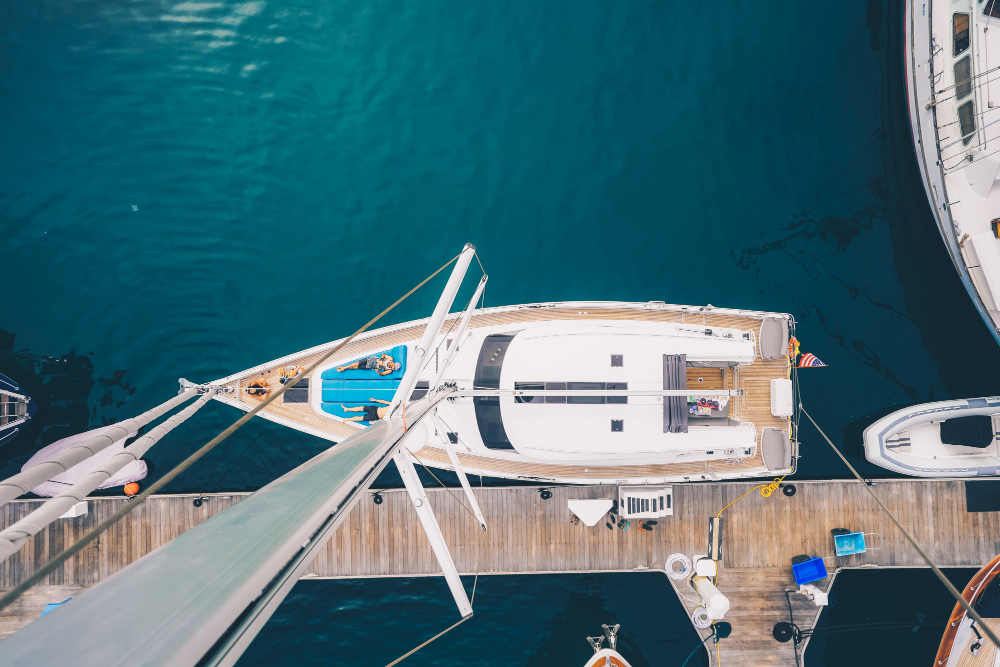
Dubai has a talent for turning “nice” into a full scene. Not just a purchase, not just a postcard. A scene with lighting, soundtrack, pacing, and that odd feeling you get when a place seems built for memory. That’s why experiential luxury lands here so hard. People aren’t chasing objects anymore. They’re chasing moments they can taste, film, re-tell, argue about later. A yacht day fits that shift almost too well. You’re not buying a thing. You’re renting a moving perspective. The skyline stops being background and becomes the main character. And yeah, it can be loud and flashy… or quiet and almost private, depending on how you do it.
Experiential Luxury in Dubai: Why “Doing” Beats “Owning”
Luxury used to mean proof. A watch, a car, a bag, a key. Now it’s more like story currency. The proof is that you were there, you felt it, you hosted it, you framed it. And Dubai is a natural arena for that because the city already behaves like a show. Big architecture. Big service. Big contrast between calm water and fast roads.
There’s also a social reason this style of luxury wins. A “thing” belongs to one person. A moment belongs to everyone who was present. The friend who didn’t pay still gets the memory. The couple gets a shared highlight. The group gets photos that look like a magazine spread even if nobody planned it properly.
Dubai’s version of experiential luxury has its own flavor. It’s polished, sometimes intense, and it expects you to participate. You don’t just sit in a beautiful space; you move through it, you curate your time, you build the vibe. The coastline makes that easy because marinas aren’t just parking lots for boats. They’re social spaces with their own rhythm—arrivals, departures, outfits, coffee runs, late dinners, quick “let’s do one more hour” decisions.
Why a Yacht Day Feels Like Dubai in One Capsule
A yacht day compresses Dubai into a few hours. You get the skyline, the beach energy, the resort spectacle, the clean lines of new development, and the weird calm that shows up once the engines steady out. The city reads differently from the sea. Angles change. The scale hits harder. Towers look less like buildings and more like sculpted objects placed with intention.
There’s also the “floating lounge” effect. On land, privacy usually means being hidden. On the water, privacy can mean being visible but unreachable. You’re in the open, yet nobody can casually walk up and interrupt. It’s a clean boundary, and your brain relaxes when it feels that line.
The ritual of arrival matters more than people expect. You show up, you meet the crew, you step onboard, you do a quick safety rundown, and suddenly your day has a new frame. First-timers often underestimate the small details: wind can feel colder than you planned for, hair becomes its own problem, and timing is everything if you care about photos.
If you want a straightforward way to book and keep it simple, yachts rental Dubai is the phrase you’ll see everywhere, but the experience itself is less about the words and more about how you shape the day once you’re out there.
Yachting as Culture: Design, Music, Food, and the “Hosted Moment”
A yacht is not just transport. It’s a tiny venue with rules that feel half hospitality, half physics. That’s why it fits experiential luxury so well: it forces a kind of curation.
Design language onboard
Interiors on modern yachts speak in a familiar Dubai dialect: clean surfaces, neutral tones, glossy details, soft seating that looks “minimal” while still being comfortable. People love to talk about size, but layout matters more. Zones matter. Where can someone sit and chat without being blasted by wind? Where can someone quietly disappear for ten minutes without making it awkward? Where does food live so it doesn’t become chaos?
Design on a yacht also has a practical honesty. You can’t fake stability. You can’t pretend a narrow walkway is a ballroom. A good setup makes movement easy and keeps the group flow smooth.
Music as mood control
Music on a yacht isn’t background. It’s steering. Slow tracks make the day feel like a lounge. Faster tracks flip it into a party. That sounds obvious, yet people still mess it up by blasting one vibe all day and wondering why everyone looks tired.
There’s also etiquette. Marinas and neighboring boats are close, and the sound travels. Keep it smart near docks, then open up when you’re cruising. A shared playlist can be fun, but it can also become a small war. One person controlling it is usually the least stressful choice.
Food culture on a moving venue
Food onboard is its own kind of culture. You’re dealing with heat, humidity, and movement. That’s why “small plates” logic works well. Fruits, grilled items, simple dips, bite-size things that don’t require a full table ritual.
If you’re trying to keep it elegant, avoid anything that melts fast or stains easily. Also, it’s not a restaurant. Don’t treat it like one. The best yacht meals feel relaxed, almost casual, even when they look fancy in photos. That’s the trick.
Routes and Scenes: Dubai’s Coastline as a Curated Itinerary
The coastline works like a curated gallery. You’re moving through scenes, and each one has its own energy.
Dubai Marina & JBR: people-watching, towers, beach energy
This is where Dubai feels social and dense. Towers stack up, the waterway feels alive, and the contrast between sleek yachts and busy promenades is part of the point. It’s people-watching with a skyline backdrop. Photos come out sharp here because the lines are clean and the setting feels “city.”
Palm Jumeirah: resort spectacle, wide horizons
The Palm has a different rhythm. It’s more about open water and resort silhouettes. The city noise fades. The view becomes broader, calmer. This is often where people start to breathe properly. It’s also where conversations shift from “what’s next” to “this is actually nice.”
Burj Al Arab views: dramatic angle from offshore
This one feels iconic because the building was designed to be a symbol, and from offshore it looks staged in the best way. Timing matters. Late afternoon light gives it more depth. Sunset can be stunning, but it also brings crowds. If you want a cleaner shot, aim for a quieter window before the rush.
The Social Code: Yacht Etiquette That Keeps It Classy
Yacht etiquette isn’t about being stiff. It’s about not turning a good day into a messy one.
Dress, grip, comfort
Wear what fits the vibe, sure, but also wear what works. Slippery soles are a bad idea. A light layer saves you when wind picks up. Sunglasses and sunscreen aren’t optional unless you enjoy regret.
Respecting the crew
A crew can make the day feel effortless or tense, and your group can help decide which one happens. Keep requests clear. Don’t ask ten people to give ten different instructions. One coordinator in the group makes everything smoother.
Photography manners
Film and photos are part of the culture now, but there’s a line. Avoid filming strangers close-up. Ask before recording crew. Don’t treat people as background props. The day stays classy when everyone feels respected.
Tipping and gratitude
Norms vary, so don’t act like there’s one global rule. What never fails is simple: gratitude, clean communication, and not leaving chaos behind.
What It Actually Feels Like Onboard (Minute-by-Minute Rhythm)
This is the part people don’t describe well. They post the best 12 seconds and skip the rest.
First 20 minutes: settling in
You step onboard, you pick your spot, and you do a quiet scan of the space like you’re choosing a seat in a theater. Someone claims the bow. Someone heads inside. Someone starts taking photos immediately, which is funny because the best photos usually come later.
There’s a tiny adjustment period. Your body figures out movement. Your brain stops thinking about the marina.
Mid-cruise: the switch from hype to calm
At some point, the excitement softens. The skyline becomes less of a “wow” and more of a steady presence. Conversation slows down. People lean back. This is when the day starts to feel expensive in the real sense, not the loud sense.
Golden hour: the emotional peak
Golden hour hits different on water. Light spreads out. Skin tones look better. The city looks warmer. Even people who claim they don’t care about photos suddenly care. It’s a soft kind of drama.
And then you blink. It’s gone. That’s the whole point of a moment.
Choosing the Right Yacht Experience for Your Style
Not every yacht day should look the same. Trying to copy someone else’s version is how people end up disappointed.
Romantic
Keep it simple. Fewer distractions. A calm playlist. Enough food to feel cared for, not enough to feel like a buffet. If it’s a proposal, plan where you want the view behind you, then stop overthinking.
Friends
Zones matter more here. You want a place to talk, a place to take photos, and a place to sit when the energy drops. People underestimate how quickly a group can run out of steam if the pacing is nonstop.
Family
Shade, seating, and comfort win. Kids need structure. Adults need space to relax without watching every second. Calm cruising works better than constant movement.
Content day
This can be fun or exhausting. Set a time window for “shoot mode,” then let it turn into a normal day. Otherwise everyone ends up working instead of living.
Corporate
Make it easy. Clear agenda. Good service. No awkward extremes. Nobody wants to feel like they’re trapped in a forced “fun” situation.
Practical Planning That Saves the Day
Planning isn’t romantic, but it’s the difference between a smooth day and a day where everyone complains later.
Timing choices
Morning light is bright and sharp. Afternoon can feel hot. Sunset is the popular pick because it’s emotionally satisfying, and the photos come out with less effort. If your group cares about comfort more than drama, earlier can be better.
Weather and sea conditions (in human terms)
Wind changes everything. It can make a warm day feel cooler fast. Humidity can make people tired even when they swear they’re fine. Sea conditions decide whether the day feels like gliding or like a mild workout just to stay balanced.
Packing list (tight, useful)
- Sunscreen you’ll actually reapply
- Sunglasses that stay on
- A light layer for wind
- Motion-sickness basics if you’re unsure
- Phone lanyard or secure pocket
- Flats with grip
- A small towel if swimming is on the table
Budget reality check
Cost usually follows a few things: yacht size, time slot, duration, and extras. Add-ons can quietly change the total. Keep a small buffer so the group isn’t stressed when someone wants “one more hour” and it turns into a debate.
Responsible Luxury: Clean Habits, Respect for the Water
Responsible luxury sounds like a slogan until you’re the one watching trash float by. Small habits matter.
Skip litter. Keep packaging minimal. If swimming is part of the plan, sunscreen choices matter more than people think. Noise matters too. Marinas are shared spaces, and that courtesy is part of the culture, even if nobody posts about it.
Common Myths About Yacht Rentals in Dubai
“It’s only for influencers.”
Nope. Influencers just post more. Plenty of people do it quietly and treat it like a private day out, not a performance.
“You need a huge group.”
A small group can feel better. Less logistics. Less noise. More actual presence.
“It’s all party, no calm.”
That depends on you. The water doesn’t demand a party. People do.
“You can’t get a cultural angle from it.”
Honestly, you can. Dubai’s culture of luxury is visible in how people host, how they dress, how they photograph, how they move through the city. The yacht is one of the clearest stages for that.
FAQ
Is a yacht rental in Dubai worth it if you’re not into nightlife?
Yes. A yacht day can feel more like a slow lounge than a party, especially if you choose a calm time slot and keep the group small.
What’s the best time of day for photos on the water?
Late afternoon into sunset gives the easiest flattering light. Morning is sharp and clean if you want a brighter look.
What should you wear on a yacht in Dubai?
Something you’d wear to a beach club, plus a light layer. Grip-friendly footwear helps. Sun protection helps more.
Can families with kids do this comfortably?
They can, as long as comfort and shade are prioritized and the day isn’t planned like an endless event.
How do you avoid awkward group logistics onboard?
Pick one coordinator, set a loose schedule, and leave space for the day to breathe. Over-planning turns it into work.

