

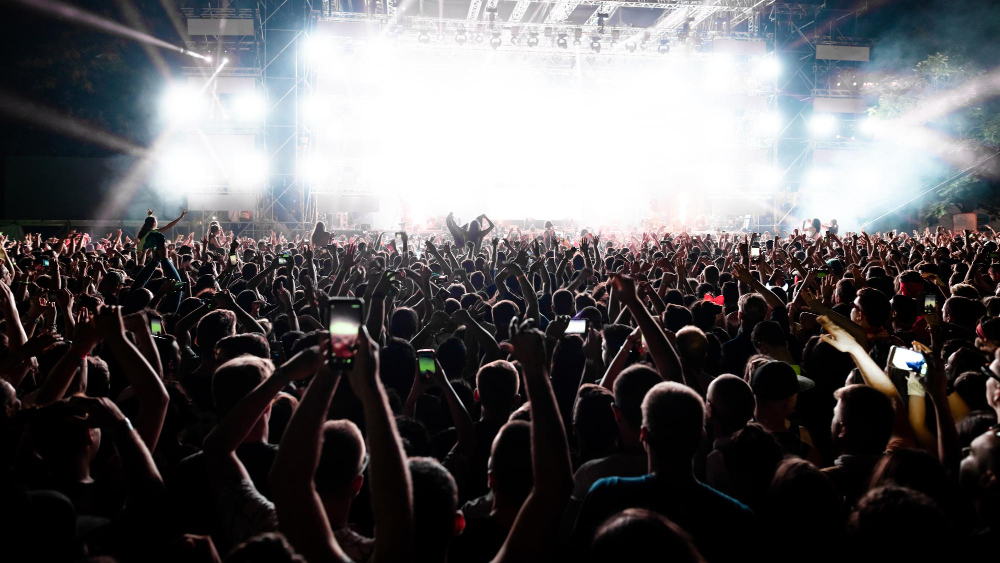
Limited-edition event tickets have captured the imagination of fans and collectors alike. Their scarcity and exclusivity add a unique appeal that goes beyond the event itself. Understanding the psychological and market dynamics behind these tickets can offer insights into consumer behavior.
In recent years, limited-edition event tickets have become a significant trend in the entertainment industry. Fans are drawn to these exclusive opportunities, not just for the events but for the ownership of something special. The psychological appeal lies in factors like scarcity and urgency, which drive interest and demand. For a modern event, the rarity of Bad Bunny tickets provides a perfect example of this growing phenomenon, as fans scramble to secure their place at such high-profile events. Even when an event isn’t specifically designed to be exclusive, venues are only able to sell so many tickets before they are at capacity, so the more popular an entertainer, the more sought-after tickets can become.
Scarcity and Urgency Influence Consumer Decisions
The concept of scarcity plays a pivotal role in the allure of limited-edition event tickets. When consumers perceive an item as scarce, it triggers a sense of urgency to acquire it before it’s too late. This urgency often leads to increased demand, as individuals fear missing out on a rare opportunity. The scarcity principle suggests that people value what they can’t easily have, making limited-edition items more desirable.
Moreover, limited availability enhances perceived value, transforming a standard ticket into a coveted possession. Consumers are often willing to go to great lengths, including paying higher prices, to secure their place at an exclusive event. This behavior underscores how scarcity can manipulate consumer perceptions and increase overall interest in an event.
The psychological impact of scarcity extends beyond simple economics into the realm of behavioral psychology. Research has shown that when faced with limited availability, the human brain activates reward centers associated with competition and achievement. This neurological response creates a compelling drive to act quickly, often overriding rational decision-making processes. Event organizers strategically leverage this phenomenon by implementing countdown timers, limited release windows and exclusive pre-sale opportunities that amplify the sense of urgency. The result is a self-reinforcing cycle where perceived scarcity generates buzz, which in turn validates the original scarcity premise and attracts even more attention from potential buyers who don’t want to be left out of what appears to be a highly sought-after experience.
Exclusivity Creates Emotional Connections with Events
Owning a limited-edition ticket often instills a sense of exclusivity and belonging among consumers. For many fans, attending an exclusive event is more than just about the performance; it’s about being part of something special. This exclusivity can foster strong emotional connections with both the event and its performers, enhancing the overall experience for attendees.
Fans who hold these rare tickets often feel a heightened sense of loyalty towards the event or artist involved. This emotional bond is further reinforced by the memories created during such unique experiences. Limited-edition tickets serve as mementos that symbolize personal achievements and treasured moments shared with fellow enthusiasts.
Market Dynamics Shape Ticket Demand Trends
The demand for limited-edition tickets is heavily influenced by market dynamics and consumer behavior patterns. As trends shift within the entertainment industry, so too do the strategies employed by event organizers to capture audience interest. The rise of digital platforms has also contributed to this shift, allowing for more targeted marketing strategies that cater to specific consumer interests.
Recent studies indicate that consumers are increasingly drawn to experiences that offer unique value propositions. In response, organizers leverage limited editions as a tool to differentiate their events in a crowded marketplace. This approach not only drives sales but also enhances brand reputation by associating with exclusivity and high-quality experiences.
Cultural Significance of Limited-Edition Tickets Today
The cultural significance of limited-edition tickets extends beyond mere attendance at an event; they represent a broader trend towards valuing unique experiences over material possessions. As society continues to place greater emphasis on experiences, these tickets become symbols of status and achievement within certain communities.
In today’s world, where personalization and individuality are highly prized, limited-edition tickets resonate with those seeking distinctive ways to express their identity. This phenomenon reflects broader societal shifts towards valuing experiences that offer personal enrichment and memorable interactions. Consequently, limited-edition event tickets remain at the forefront of modern entertainment culture.

