

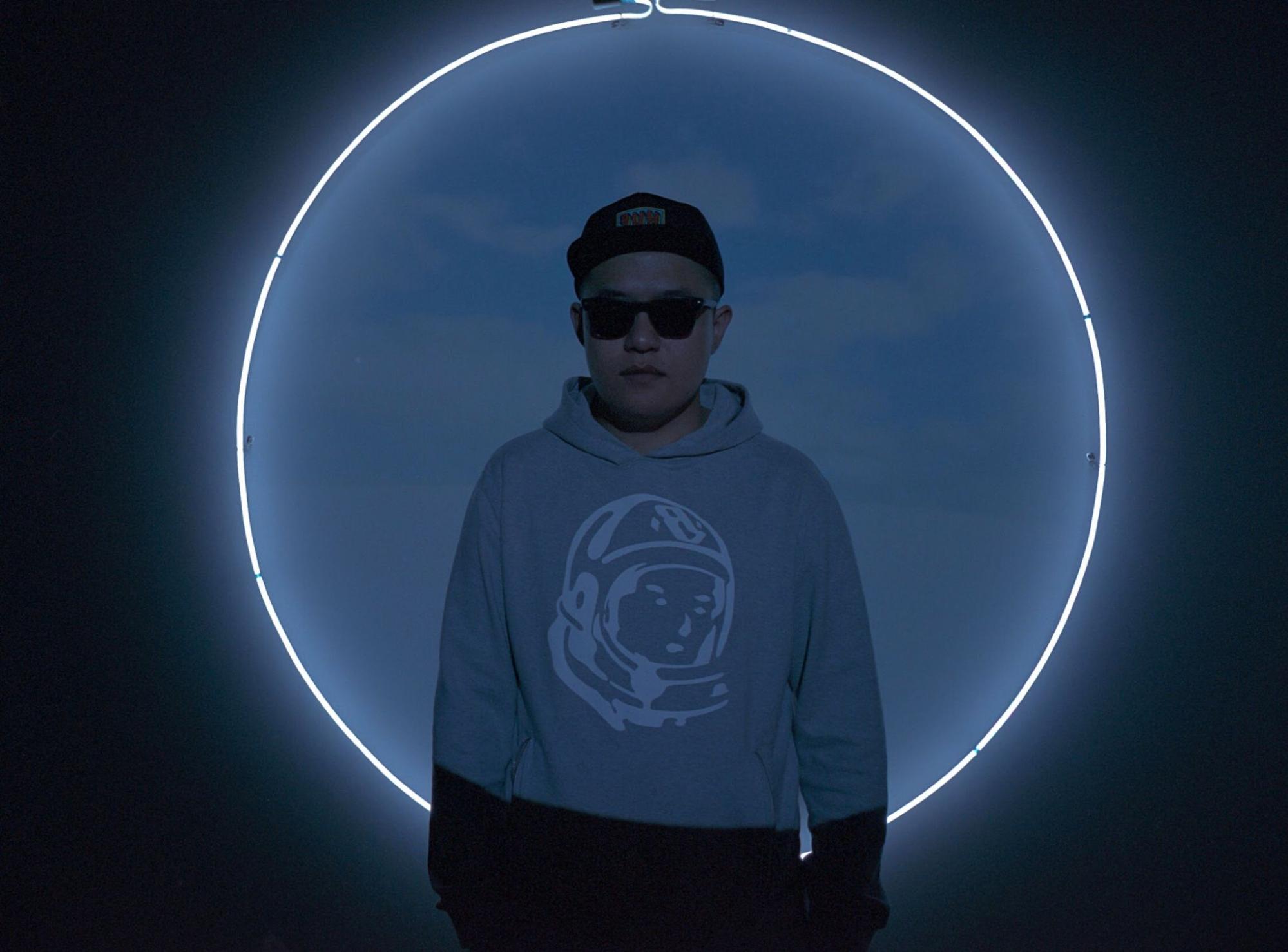
In the visually saturated landscape of modern cinema, where spectacle often shouts louder than substance, Director of Photography Bin Luo is finding power in the pauses.
Based in Los Angeles but rooted in the rich artistic traditions of China, Luo has emerged as a vital bridge between two distinct storytelling worlds. A graduate of the New York Film Academy with both a BFA and an MFA, Luo’s journey from a 2nd Assistant Camera (AC) to an award-winning cinematographer is a testament to his philosophy of diligent observation and “24/7” devotion to the craft.
In a recent conversation with OurCultureMag, Luo explored how his upbringing in Kunming and his career in Hollywood have coalesced into a unique visual style—one that prioritizes emotional nuance over “noise.”
Luo’s aesthetic didn’t form in a vacuum; it was built in layers. “My earliest memories are of films from the Shanghai Animation Film Studio,” he recalls. “They carried a poetic rhythm and careful composition. Even before I understood filmmaking, I could feel how images alone could hold emotion.”
Growing up in Kunming, one of the few Chinese cities with a functioning cinema at the time, Luo was exposed to a rare diet of French and American films alongside local productions. This early exposure to varied pacing and framing allowed him to absorb different “storytelling languages” simultaneously. While the physical precision of Jackie Chan and the depth of Stephen Chow’s humor left their mark, it was the masters of restraint—Edward Yang and Zhang Yimou—who truly shaped his understanding of visual composition. But that isn’t where it ends, in terms of influence. “Yimou Zhang and Edward Yang; their influence on me goes beyond composition,” said Luo. “What has shaped me most is the subtlety in their storytelling, something deeply rooted in our culture. Their work helped me better understand my own cultural background and how to translate that sensibility visually.”
Luo also points to overlooked influences like Hou Hsiao-hsien and the legendary animator Satoshi Kon. “Hou Hsiao-hsien’s long takes and stillness taught me that tension can live in observation rather than action,” says Luo. “And Satoshi Kon… his psychological layering and the way he blurred reality and perception influenced how I think about subconscious tension.”
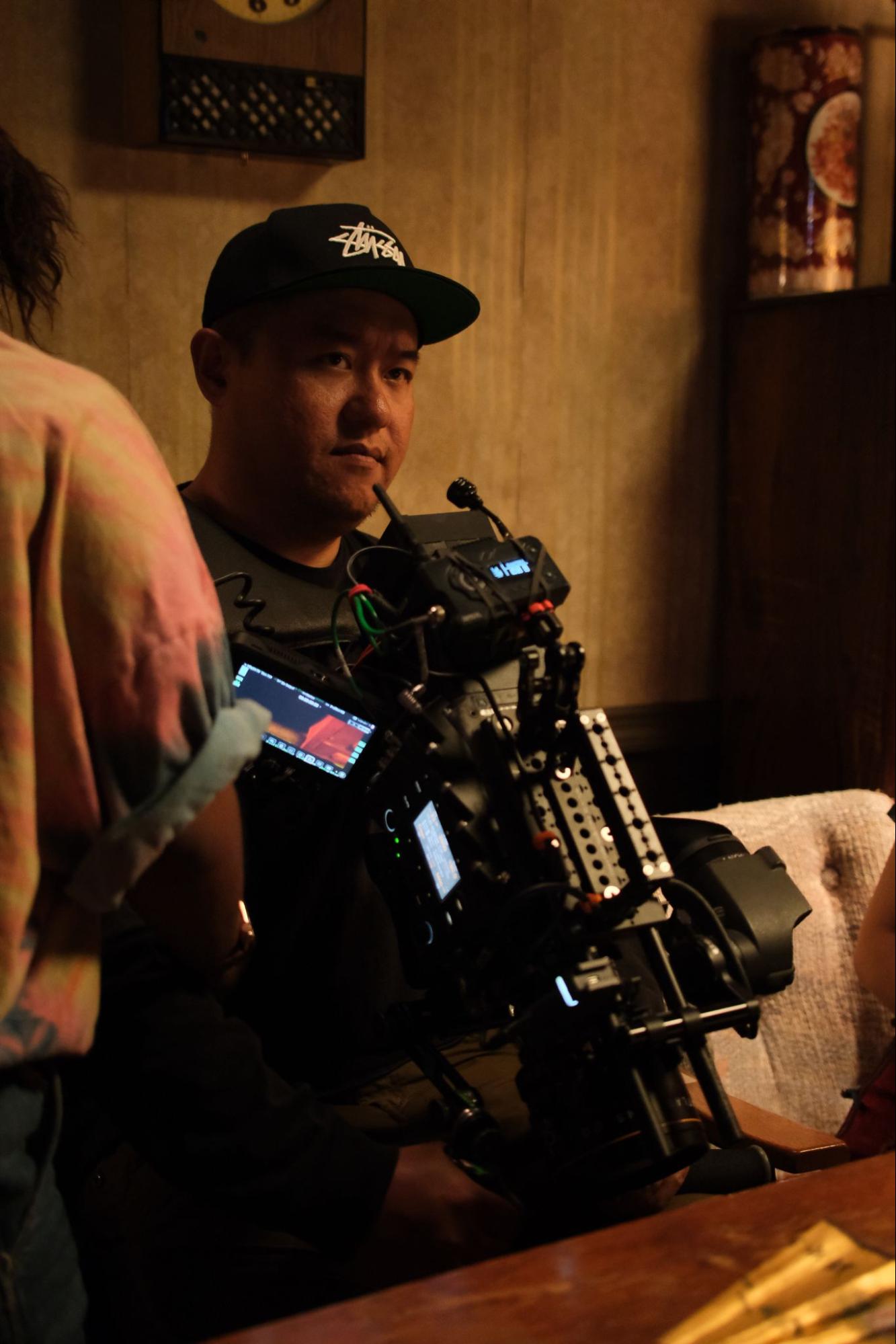
Now working within the Hollywood system, Luo often finds himself navigating projects with clear genre arcs and high-octane pacing. However, he treats these structures as a framework into which he can inject “Asian expressions.”
“When the story becomes intimate, I naturally bring in Asian sensibilities,” Luo explains. “I grew up in a culture where emotion is often expressed indirectly. Silence carries meaning. A pause can say more than dialogue.”
Luo describes this fusion as a “cocktail treatment.” While Western storytelling provides the directness and accessibility (the structure), Eastern traditions provide the atmosphere and internal reflection (the texture). “When blended carefully, they don’t cancel each other out—they strengthen each other,” he says. “The film may look Hollywood on the surface, but the emotional texture inside the frame carries a quieter rhythm.”
This balance of structure and subtlety is currently being put to the test in Luo’s work in interactive cinema. In a medium where the audience shapes the narrative, Luo views technology not as a spectacle, but as an evolution of the relationship between the viewer and the image.
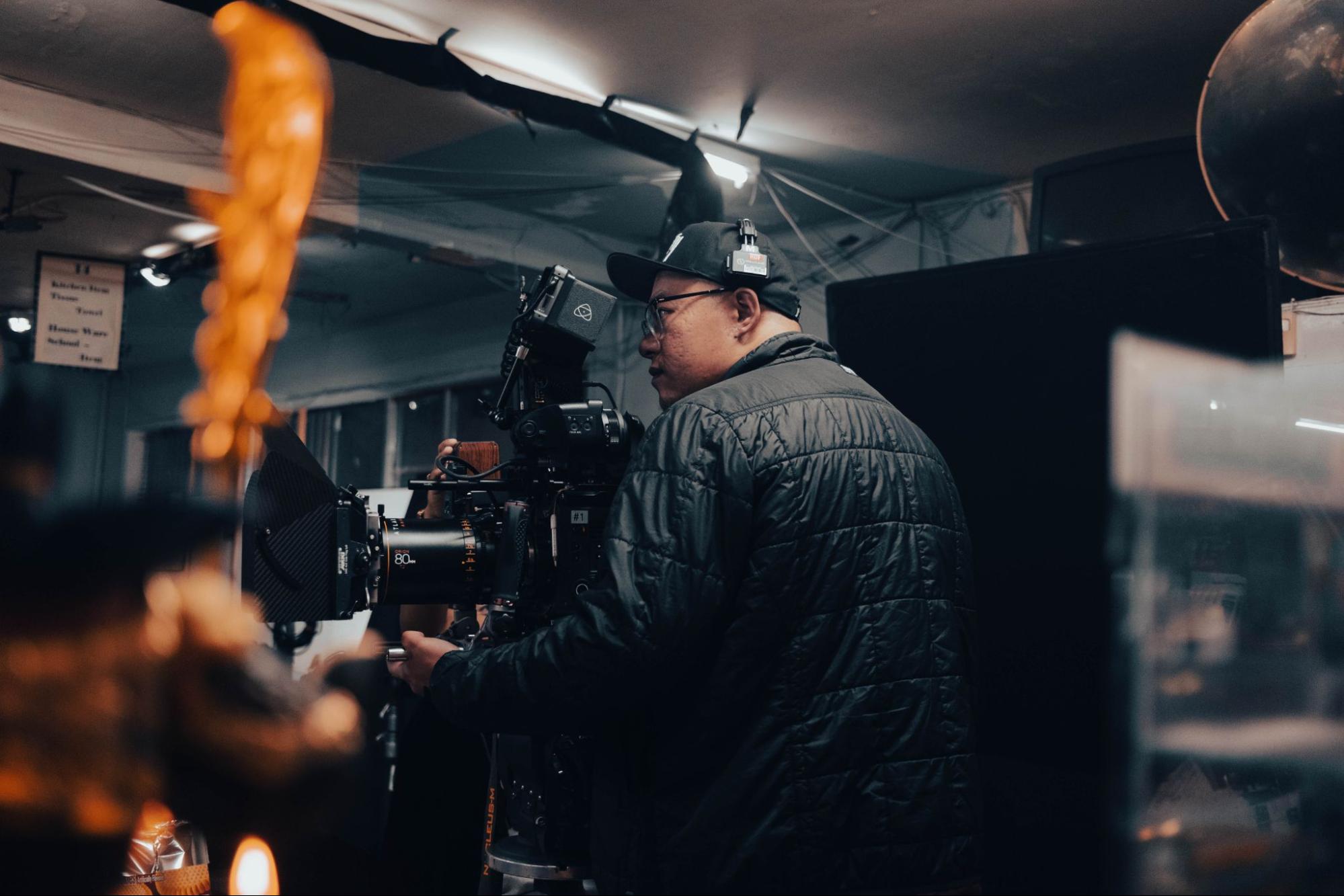
“In interactive cinema, the audience is no longer just watching; they are participating,” says Luo. “But I don’t treat technology as a disruption. I see it as an evolution. My goal is to guide gently while allowing space for decision, keeping the emotional current steady even as the path shifts.”
For Luo, the challenge is anticipating human reaction—asking where a viewer’s attention might drift or when they might hesitate—and ensuring that every branch of the story feels purposeful and grounded in reality.
Luo’s meticulous approach has not gone unnoticed by the industry. His work on the film Jasmine earned him Best Cinematography at the MLC Awards, while his project 7 Minutes recently secured the Silver Award for Best Cinematography at the 58th Houston International Film Festival (WorldFest–Houston) and further honors at the Bangkok Movie Awards.
Despite the accolades, Luo remains a student of light. He views his work as a constant study of how objects interact with their environment, a “24/7” commitment to growth.
Looking ahead to 2026, Luo is turning his lens toward more personal territory: the concept of “home.”
“After living between China and the U.S., I’ve come to see home as layered,” he reflects. “It’s not only a place. It’s language, memory, and the space between people. Sometimes you feel rooted in two worlds; sometimes you feel slightly outside both.”
As he continues to expand his vision, Bin Luo remains a cinematographer who understands that in a world that is physically connected but emotionally complex, the most powerful stories are often those that leave room for the viewer to breathe. He isn’t just capturing images; he is capturing the “quiet power” of the space between them.

