

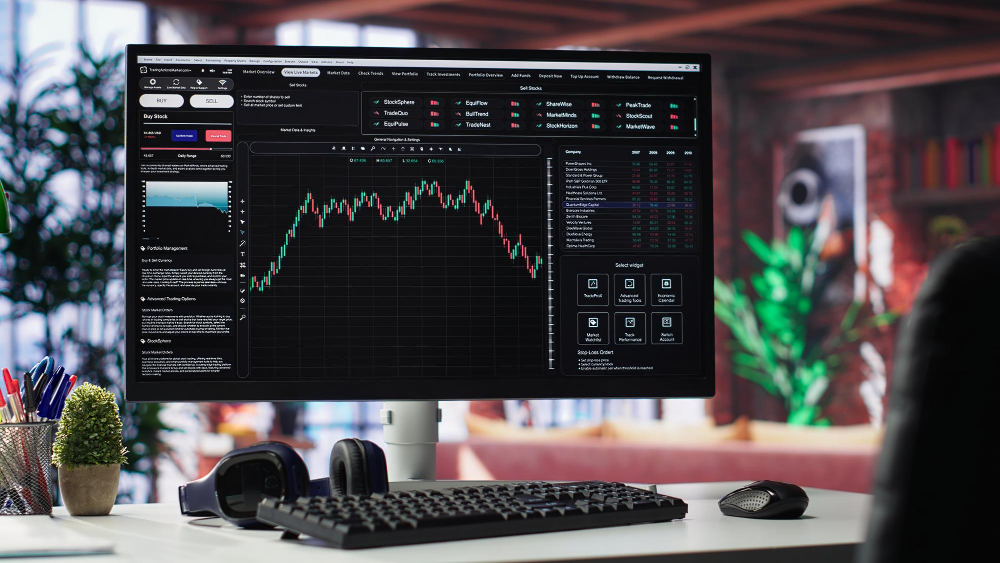
We’re living in a time when data shapes almost every choice we make, from picking a winning football team to deciding where to invest our savings.
This shift toward calculated predictions is changing how we approach risk and reward, making even everyday decisions feel more strategic.
Powered by technology, forecasting has moved from back rooms and experts into the hands of anyone with a smartphone.
This article looks at how this new culture is taking hold across entertainment, business, and daily life—exploring the tools, trends, and questions that come with it.
How new betting sites are shaping predictive culture
If you’ve spent any time exploring online betting in the last few years, you’ve probably noticed a major shift in how people approach predictions.
The wave of new betting sites isn’t just about flashy graphics or bigger bonuses—it’s about smarter, data-driven forecasting for everyone.
One thing that stands out is the move toward advanced analytics and real-time insights. Instead of relying on gut feeling, users now have access to detailed stats, live odds tracking, and predictive models right at their fingertips.
This changes the game for both newcomers and seasoned punters. You no longer need to be a statistics wizard to make informed decisions; the tools do a lot of heavy lifting.
Transparency is another big factor. New platforms openly share information about odds calculations and market trends, giving users more confidence in their choices. It feels less like blind guessing and more like an exercise in strategy.
What I find most interesting is how these sites encourage community-driven insights. Many offer forums or social features where users swap tips, discuss trends, or even pool knowledge to improve their chances together.
If you’re interested in exploring these features for yourself, check out some new betting sites that specialize in innovative prediction tools and strategies tailored for modern bettors.
How technology is putting predictive power in everyone’s hands
Prediction isn’t just for math wizards or stock market pros anymore. The last few years have seen a wave of digital tools making data-driven forecasting part of daily life for millions of people.
Apps, platforms, and simple algorithms now give anyone the chance to weigh in on everything from tomorrow’s weather to the outcome of La Liga matches. Instead of relying solely on gut instinct, users tap into real-time stats, crowd opinions, and historical data—all delivered through a smartphone screen.
This democratization means that prediction is no longer a closed club. Social features let you test your predictions against friends or join groups where insights are shared and debated. Even small-time bettors or sports fans can access analysis once reserved for industry insiders.
The result? People everywhere are sharpening their ability to spot patterns and make smarter choices—whether they’re managing finances, picking fantasy football lineups, or deciding if it’s worth bringing an umbrella.
The role of AI and machine learning in everyday forecasting
Artificial intelligence isn’t just powering search engines—it’s quietly reshaping how ordinary people forecast outcomes. Today, smart algorithms sift through oceans of sports statistics, weather trends, and financial data at speeds no human could match.
For sports fans, AI-powered apps offer live win probabilities as games unfold. Travelers get hyper-local weather alerts based on machine learning models that constantly improve with new data. Even personal finance platforms now predict spending patterns or suggest investments using the same tools once only available to hedge funds.
I’ve noticed these AI-driven forecasts feel less like black magic and more like helpful nudges—especially when paired with clear explanations behind the numbers.
Crowdsourcing and community wisdom
If you’ve watched prediction markets during a big election or joined a forum for fantasy league picks, you know how powerful collective intelligence can be. When thousands chime in with their expectations or bets, surprising patterns emerge—sometimes beating so-called experts at their own game.
Platforms now gather this swarm of opinions into easy-to-read forecasts. The wisdom of crowds gets distilled into odds or consensus picks that anyone can use to check their hunches against the group.
I’ve found that following these aggregated predictions not only helps spot trends but also highlights blind spots I might miss on my own—especially when passions run high around local teams or political debates in Spain.
Gamification and engagement
No one likes dry stats—but turn prediction into a challenge with points, leaderboards, or prizes and suddenly it’s irresistible. Many apps have turned forecasting into a social game where bragging rights drive participation as much as winning itself.
You’ll see users earning badges for streaks or competing head-to-head in live contests tied to real-world events. This playful approach keeps people engaged while helping them build intuition about probability over time.
In my experience, these gamified platforms do more than entertain—they create mini-communities where learning happens almost by accident because everyone wants to out-predict their peers week after week.
Calculated predictions beyond gambling: broader societal impact
Calculated predictions have broken out of their betting roots and are now shaping decisions in boardrooms, government offices, and even our daily routines.
The same appetite for data-driven forecasts that changed sports betting is now influencing how we work, vote, and plan for what’s next.
This shift brings powerful tools—but also a new set of ethical questions about trust, privacy, and the unseen influence of algorithms.
Business and financial forecasting
Companies are leaning into predictive analytics to do more than just guess where the market is headed.
I’ve seen teams use machine learning models to spot supply chain issues before they hit, or to forecast sales so they don’t get caught with too much or too little inventory.
It’s not just about accuracy—it’s about getting ahead of risk and turning information into a competitive advantage.
- Financial institutions assess creditworthiness using hundreds of data points in seconds
- Retailers predict customer demand by analyzing weather patterns and local events
- Even small startups can tap into cloud-based tools once reserved for industry giants
The result: faster reactions to change, but also the pressure to keep up with rapid innovation.
Political and social predictions
The rise of election prediction models has changed how campaigns operate—and how citizens interpret polls.
I’ve noticed friends in Spain checking election simulators before heading to the polls, just like they’d check sports odds before placing a bet.
Social trend forecasting goes further. Platforms crunch data from millions of online posts to spot shifts in public opinion or anticipate cultural moments before they go viral.
This isn’t just tech for tech’s sake—it shapes messaging strategies, media coverage, and sometimes even public policy itself. The line between prediction and influence can get blurry fast.
Ethical considerations and bias
The surge in predictive modeling comes with a responsibility we can’t ignore.
If an algorithm favors certain groups over others—or relies on biased historical data—its predictions might reinforce inequality instead of reducing it.
I’ve seen examples where flawed credit scoring models accidentally exclude whole communities from fair access to loans or jobs. That kind of bias often hides in plain sight until someone digs deeper.
- Transparency is crucial—users should know how predictions are made
- Privacy must be protected when personal data fuels these forecasts
- The creators behind the models need to question their own assumptions at every step
This is where calculated prediction moves from science to real-world responsibility—and why ongoing scrutiny matters as much as technical skill.
Mastering the art of informed prediction
Making calculated predictions isn’t just about crunching numbers or trusting algorithms. It’s about asking smart questions, understanding the limitations of data, and knowing when to trust your gut—or step back for a second look.
Whether you’re placing a wager, investing in the stock market, or planning a business move, the real edge comes from blending analytical skill with critical judgment. That means questioning assumptions, digging into sources, and not being swayed by flashy stats or confident forecasts.
As predictive tools become more common in everyday life, it’s crucial for both individuals and organizations to develop habits that keep them grounded. Learning how to interpret probabilities, spot bias, and balance optimism with skepticism is now an essential part of decision-making culture.
Critical thinking in the age of data
I’ve found that one key to smarter forecasting is treating every prediction as a hypothesis—not a guarantee. Start by looking at who created the forecast and what data they used.
If something seems too certain, ask what assumptions lie behind it. Are outliers being ignored? Is there cherry-picking involved?
I always double-check the source and see how past predictions have fared. Being aware of overconfidence—both your own and others’—can save you from expensive mistakes. The best predictors weigh statistics against practical realities, never letting numbers drown out common sense.
Tools and resources for aspiring forecasters
You don’t need a PhD to get better at prediction. There are user-friendly apps like Good Judgment Open for practicing forecasting on global events.
For sports or finance fans in Spain, sites offering prediction markets or transparent odds comparisons can sharpen your skills—think of sites like FiveThirtyEight or even betting exchanges that show live sentiment shifts.
Books like “Superforecasting” by Philip Tetlock offer deeper insight into what sets top predictors apart. Whether you prefer mobile apps or online forums, consistent practice combined with honest feedback is the fastest way to level up your forecasting game.
Looking ahead in the era of calculated predictions
The culture around prediction has shifted from gut feelings to informed, data-backed decisions. Technology now lets anyone join the conversation, whether they’re making a bet, planning a budget, or analyzing trends at work.
With every new tool and insight, our ability to manage uncertainty grows. Yet, this progress also demands responsibility—understanding the limits of our forecasts and keeping ethics in focus.
Adopting smarter prediction is about balance: using all the information available while staying aware of its impact on our lives and society.

