

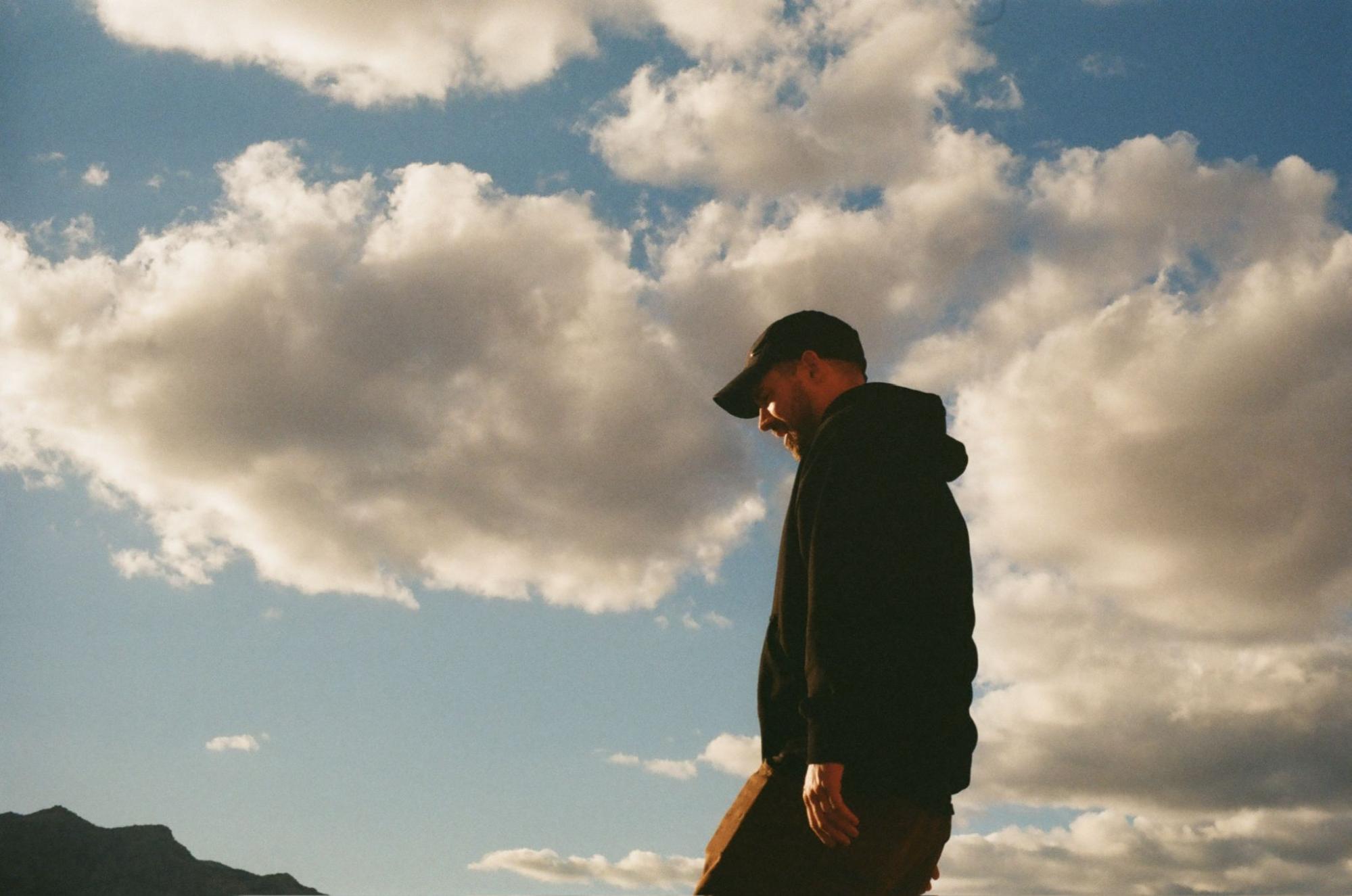
In an age dominated by meticulously crafted narratives and high-gloss fictional dramas, Emmy Award-winning producer and director Ben Phethean stands out as a purveyor of the raw, the real, and the relentlessly adventurous.
With a resume that includes global Netflix phenomenon “F1: Drive to Survive” and the unflinching grit of “24 Hours in Police Custody,” Phethean has carved a niche for himself by diving headfirst into the unpredictable worlds of unscripted television, proving that truth is often stranger, and far more thrilling, than fiction.
Phethean, celebrated for his versatile expertise spanning documentary, factual, and factual entertainment, embodies a philosophy that sees danger not as a deterrent, but as an essential ingredient for compelling viewing. For him, good unscripted TV is inherently adventurous, offering a vital escape from the mundane.
“Escapism,” as Phethean explains, is at the heart of it. “As humans, we spend our whole lives locked into routine. Whether it’s social, educational, professional or domestic, we are slaves to our responsibilities. I’ve always found a great film or book can help me escape the relentless pull of modern life, and unscripted TV is the same.”
He asks: “What better way to forget about your problems than by diving into an exotic world full of thrilling and complex problems that someone else has to solve? Because it’s non-fiction, and the characters are relatable, you imagine yourself in their situation, it’s like a little adrenaline hit from the comfort and safety of your own home.”
This yearning for vicarious experience fuels Phethean’s passion for documentary, his chosen medium. “On a selfish level, it’s because I get to live a million different lives,” he muses. “You embed into other people’s worlds and capture their experiences across the whole range of human emotion. It’s like unplugging from your own matrix and plugging into someone else’s for a week, month or even a year. It becomes addictive.”
The allure is further amplified by the authenticity of the moment. “There’s a beauty in capturing things that are happening for real too, without having the chance to get a second take. You’re documenting an unscripted moment in someone’s life that could never happen again, it could be the best or worst moment in their lives, and it’s unfolding in front of you in real time.”
F1: The “Drive to Survive” Phenomenon
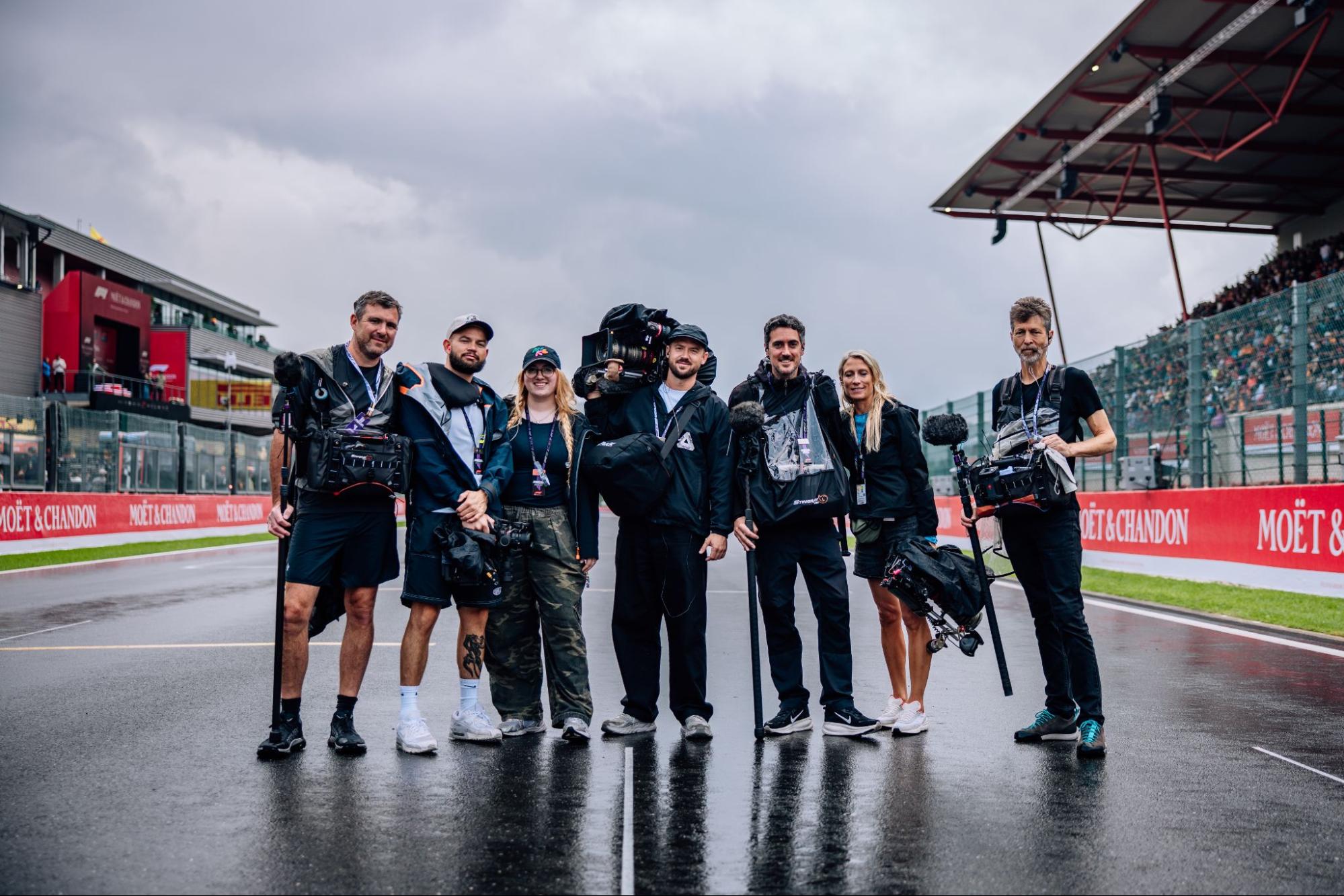
Phethean’s dedication to capturing these unrepeatable moments propelled him to an Emmy Award in 2025 for producing “F1: Drive to Survive” Season 6, a series he also directed across three seasons for Netflix. The show’s stratospheric success is no accident, according to Phethean.
“I think the series is so popular because it’s like a Hollywood blockbuster in documentary form; high-end, high stakes, human drama at 300kph. Exotic locations that wouldn’t be out of place in a Bond film, Shakespearean levels of treachery and backstabbing, beautiful A-list celebrities, euphoric highs, meteoric lows, and multimillion dollar cars slamming into walls at top speed – what’s not to like?” he asks.
Beyond its entertainment value, “Drive to Survive” has had a monumental impact on the sport itself. Phethean highlights its role as a “catalyst for the growth of car racing in the US,” transforming the perception of Formula 1.
“DTS took the stuffy, mechanically focused image of F1 and rebranded it as a sport about personalities and politics,” he said. “It became a gateway drug to the sport for young people and non-fans to understand the world and the rules and therefore enjoy the races. Since DTS first aired, all of the teams have seen a surge in value, due largely to increase in US viewership, and the second American team will join the grid in 2026 with Cadillac. Not to mention the Apple TV film ‘F1’ produced by and starring Brad Pitt. The sport keeps growing.”
Such immersive storytelling demands immense personal commitment. As a self-shooting director, Phethean’s work on “Drive to Survive” was a test of endurance. “The F1 season lasts from March to December and follows 24 races across the globe; I would spend half the year away from home with a 15kg camera on my shoulder chasing after F1 drivers. You go into most race weekends with a focus on a particular team or driver and you shoot absolutely everything you can with them until you’ve captured something special. Even if it means getting a few doors slammed in your face in the process.”
Behind the glamour and speed, “relentless access negotiation” was a constant challenge. “The drivers are extremely busy and are kept on minute-by-minute schedules as soon as they arrive at a race weekend, so getting any time with them becomes a constant negotiation with their communications teams and managers,” said Phethean. “These conversations can require months of back and forths before a team finally agrees to give access to a particular off-track scene or interview. And even then the driver may just decide not to turn up on the day.”
Preparing for interviews on such an evolving show is a dynamic process. “The driver or team’s story is constantly evolving throughout the season and can completely change direction after a single race result,” Phethean explains. An edit-based team in London constantly tracks character trajectories, adding and removing questions. Phethean then custom-built interviews based on his knowledge and the edit team’s input, ensuring each conversation pulls the plot forward. Ultimately, it falls to him, as the director, to sit down with the character and ask the questions, often navigating delicate emotional territory.
The ability to capture “unexpected snippets of humanity” stems from a deeper virtue: Trust.
“Building trust with the drivers and team principles is key. I spent years following particular characters and you learn to develop an unspoken language with them,” he said. “When to push and when to back off. Ultimately, once they’re comfortable with you being there they let you into all sorts of highly personal and emotional moments in their lives.”
Into the Crucible: “24 Hours in Police Custody”
From the high-octane world of F1 to the intense confines of a police station, Phethean’s journey through “dangerous, risky TV” took a stark turn with “24 Hours in Police Custody” for Channel 4. He describes it as one of the “hardest jobs I’ve ever done.”
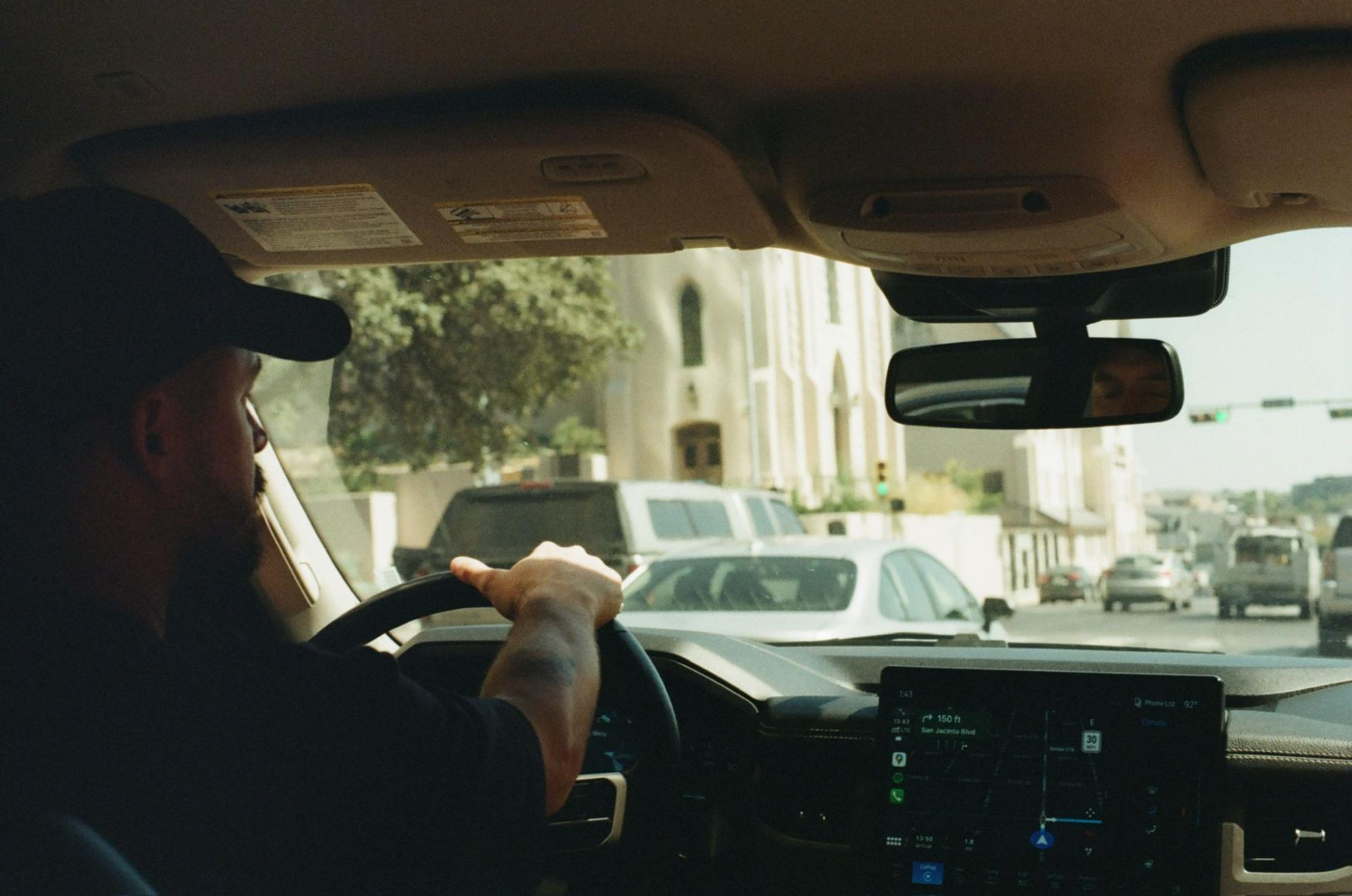
“You might get a call at home from the production team on a Sunday night at 8 p.m. telling you to go to a police station to film a suspect that has just been brought in, and that your taxi is en route,” he said. “Once you arrive at the police station, you may not leave for a full 24 hours until the police have charged or bailed the suspect. So you do really shoot all night; and then again all day. The adrenaline keeps you going though, you feel like you become part of the investigation which is exhilarating.”
While there were no NDAs, a rigorous vetting process by the British Police, taking months, was a prerequisite. Interviewing suspects and detectives presented vastly different challenges.
“Interviewing the detectives was much easier for me because it’s way less emotional for them; they discuss tactics and strategy,” he notes. “Interviewing the suspects can be incredibly hard, but also extremely rewarding. You have to ask permission from a suspect for an interview and if they agree the officers will let you step inside the cell with them. For some of these people it’s the worst or most traumatic day of their lives, they can be unpredictable, emotional or even aggressive, and so, as a documentary filmmaker, when the suspect does open up to you it’s a real privilege.”
Photos of Ben Phethean by Sam Cousins and Alex O’Connor.

