

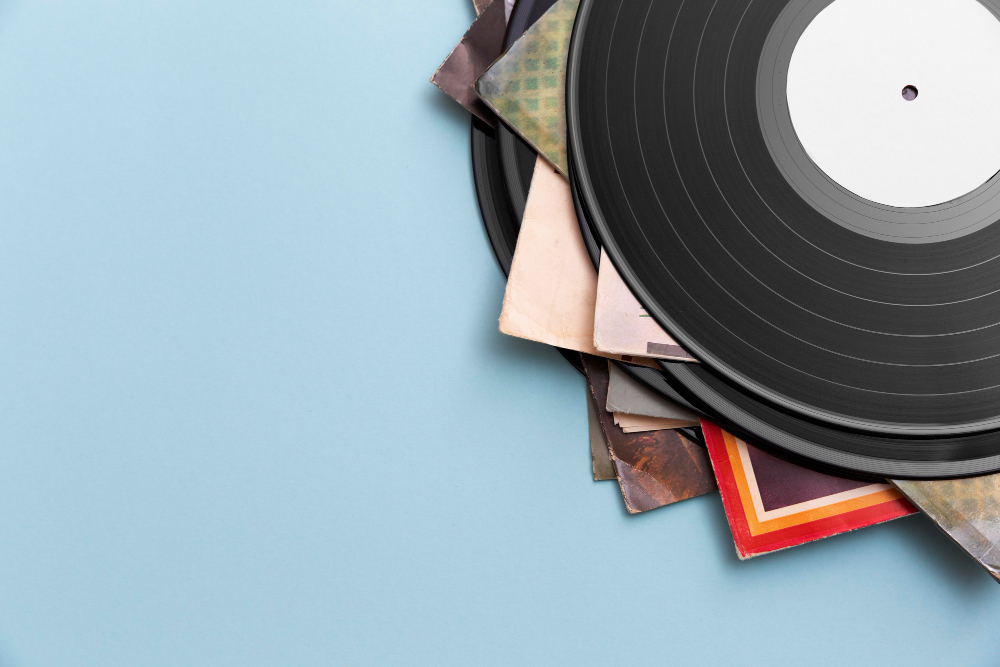
There’s something deliberate about placing a record on a turntable, lowering the needle, and hearing the first crackle before the music begins. In a world dominated by streaming platforms and compressed audio files, vinyl offers a slower, more tactile way to experience music.
For many newcomers, however, starting a collection can feel overwhelming. Which records should you buy first? What kind of turntable do you need? How do you store and maintain your collection?
This guide breaks down the essentials of starting a vinyl collection, from choosing your first records to setting up a reliable turntable system. Whether you’re drawn to album artwork, analog sound, or the simple pleasure of collecting, the key is to start intentionally and build from there.
Define Your Collecting Goals
Before purchasing your first record, clarify why you want to start a vinyl collection. Some collectors focus on sound quality, searching for pressings known for their warmth and depth. Others prioritize nostalgia, tracking down albums that shaped their teenage years.
Still others treat vinyl as a form of art, curating records based on cover design, limited editions, or cultural significance. There’s no wrong answer.
Begin with music you genuinely love. Your first few purchases should be albums you’re willing to listen to from start to finish. Vinyl encourages full-album listening rather than skipping between tracks, so cohesive records often make the most satisfying additions.
It also helps to decide whether you’re collecting new pressings, vintage originals, or a mix of both. New pressings are generally easier to find and often in pristine condition. Vintage records can carry character and history, but they may require more careful inspection for wear.
Setting a loose budget is equally important. Vinyl collecting can become expensive, especially when limited editions or rare pressings enter the picture. Starting with a modest monthly allocation keeps the hobby sustainable and enjoyable.
Choose the Right Turntable Setup
A record collection is only as good as the system used to play it. For beginners, the goal should be reliability, proper tracking, and sound clarity without unnecessary complexity.
At minimum, you’ll need:
- A turntable
- Speakers (either powered or paired with an amplifier)
- Quality cables
Many newcomers opt for an all-in-one unit, but these often sacrifice sound quality and can wear records more quickly. A dedicated turntable from a reputable manufacturer offers better tracking force control and improved audio performance.
If you’re unsure where to begin, browsing curated selections from specialty retailers can simplify the process. For example, Evergreen Vinyl focuses on direct-to-consumer vinyl records and authorized Audio-Technica turntables, making it easier for beginners to pair dependable equipment with their first records. Starting with a trusted source reduces the risk of mismatched components or subpar gear.
Placement also matters. Set your turntable on a stable, vibration-resistant surface away from heavy foot traffic. Even minor vibrations can affect playback quality. Keeping your setup level ensures the stylus tracks correctly and prevents uneven wear.
Understand Record Formats and Pressings
Vinyl records typically come in three common sizes:
- 12-Inch Lps (Long Play): Standard full-length albums
- 7-Inch Singles: Usually one track per side
- 10-Inch Records: Less common but often used for EPs or special releases
For beginners, 12-inch LPs are the most practical starting point. They offer complete albums and are widely available.
You’ll also encounter terms like “180-gram vinyl,” “limited pressing,” or “colored vinyl.” Heavier records can feel more substantial, but weight alone does not guarantee better sound.
Similarly, colored vinyl may look striking, but it doesn’t inherently improve or reduce audio quality. Focus first on the music and mastering rather than marketing descriptors.
When buying used records, inspect them carefully. Look for visible scratches, warping, or excessive surface scuffs. If shopping in person, ask to examine the vinyl under good lighting.
Learn Proper Care and Storage
Maintaining your records is essential for preserving sound quality. Dust and static are common culprits of pops and crackles, but consistent care minimizes them.
Here are a few foundational practices:
- Store records vertically, never stacked flat.
- Keep them in protective inner and outer sleeves.
- Avoid exposing them to direct sunlight or extreme heat.
- Clean records with a carbon fiber brush before and after playing.
Equally important is stylus maintenance. A clean stylus ensures accurate playback and prevents debris from embedding into your records. Replace it according to the manufacturer’s recommendations, especially if you play records frequently.
Curate with Intention, Not Impulse
The excitement of starting a collection can lead to impulse buying. While spontaneous finds can be rewarding, a thoughtful approach often results in a more meaningful collection.
Consider organizing your records by genre, era, or personal milestones. Some collectors track albums that influenced particular life stages, while others focus on a specific genre such as jazz, classic rock, hip-hop, or film scores.
As your tastes evolve, so will your collection. Periodically review what you actually play. Records that sit untouched for years may be better suited for trade or resale, freeing up space and budget for albums you’ll appreciate more.
Joining local record store events or online communities can also broaden your perspective. Conversations with other collectors often lead to new discoveries and a deeper understanding of pressing variations and mastering differences.
Build a Listening Ritual
Part of vinyl’s appeal lies in the experience. Unlike streaming, which encourages multitasking, vinyl invites presence. Creating a listening ritual can transform casual playback into intentional time set aside for music.
This might mean dedicating an evening each week to listening through an entire album without interruption. It could involve reading liner notes, studying the artwork, or comparing different pressings of the same release.
The tactile process: selecting a record, placing it on the platter, and flipping sides, reinforces a slower pace. For many collectors, this ritual becomes as important as the sound itself.
Final Thoughts
Starting a vinyl collection doesn’t require expert knowledge or an extensive budget. It begins with music you love, a reliable turntable, and a willingness to learn the basics of care and setup. From there, your collection grows organically, shaped by curiosity and personal taste.
Approach vinyl as both a listening experience and a long-term hobby. Invest in dependable equipment, buy records with intention, and develop habits that protect your collection. In doing so, you’ll create not just a shelf of albums, but a personal archive of moments, memories, and music worth revisiting for years to come.

