

Podcasting is huge in 2026, and this audio medium has been growing steadily over the two past decades. According to a recent report, the global podcast audience in 2025 has reached approximately 584 million listeners, marking a 6.8% increase over 2024, with projections to exceed 650 million by 2027. Over 4.5 million podcasts are indexed globally, though only about 10-11% are actively publishing, as the market shifts towards high-quality, video-enabled content.
In this crowded media landscape, where millions of podcasts vie for a fleeting moment of attention, one show has managed to do the impossible: turn a niche museum project into a global powerhouse.
SpyCast, the official podcast of the International Spy Museum in Washington D.C., has not only claimed its territory in the top 1% of podcast downloads worldwide, but has also set the gold standard for how cultural institutions can leverage audio storytelling.
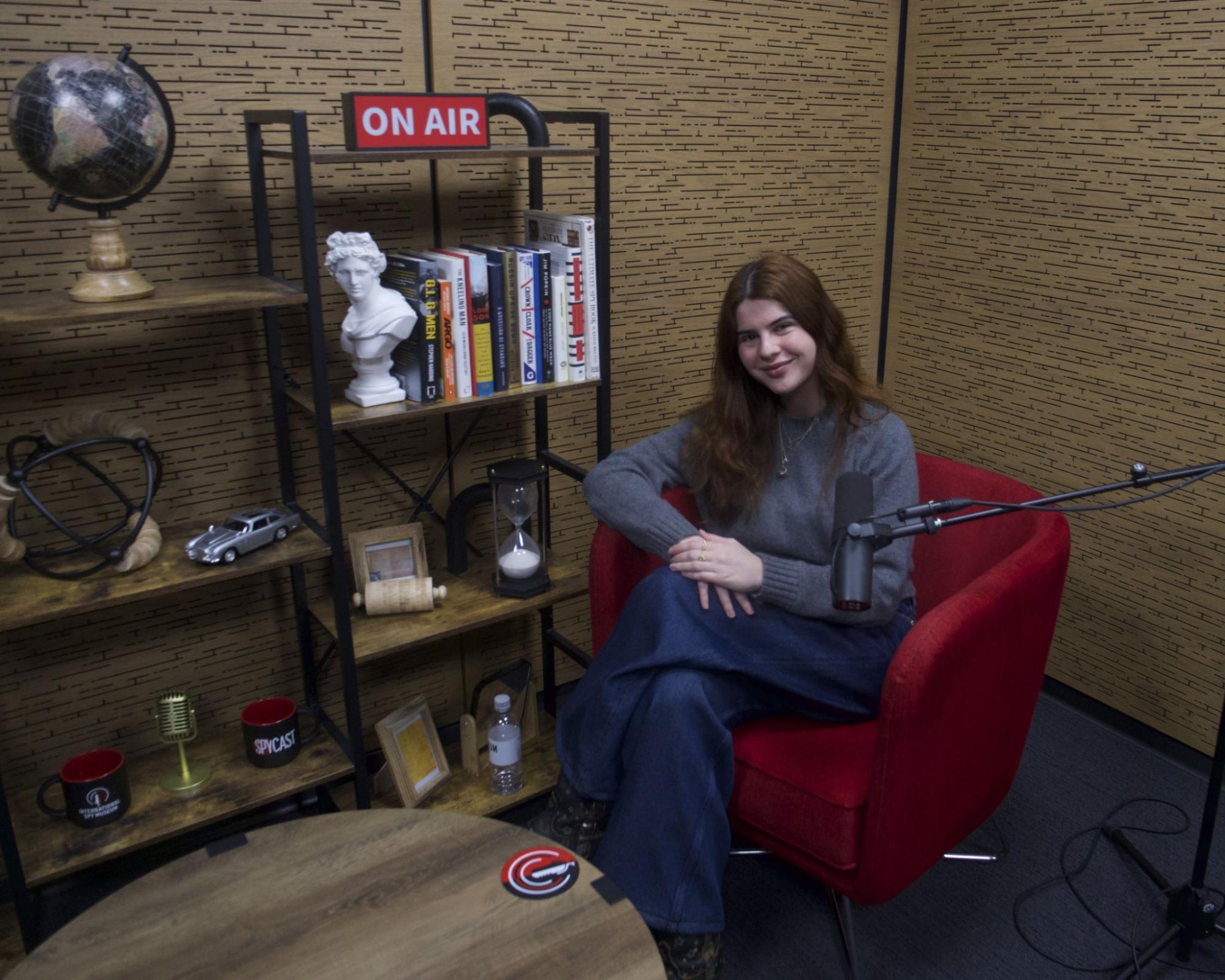
As part of this operation is SpyCast’s lead producer Flora Warshaw, a New York-based storyteller whose background in journalism and international relations has helped transform SpyCast into a weekly must-listen for thousands of listeners per episode.
Warshaw’s journey to the world of espionage wasn’t a linear one, but it was perhaps inevitable. A History and International Relations major as an undergraduate with a Master of Science in Journalism from Columbia University, Warshaw was looking for a role that bridged her academic passions with her creative skills.
“I was wrapping up work with a previous company and a friend suggested it to me,” Warshaw said. “It seemed like the perfect blend of all my interests. Even though, as a New Yorker, I saw the job was based in D.C., I just thought, ‘Great, I will get an Amtrak membership.’”
Her transition to SpyCast followed a successful stint working for the award-winning kids’ podcast Million Bazillion. Now, she applies those same narrative-building skills to the shadow world of intelligence.
While many podcasts chase viral moments with “clickbait” headlines or controversial guests, Warshaw and the SpyCast team—led by host and journalist Sasha Ingber—have taken a different route: authenticity.
“We don’t like gimmicks, or flashy headlines, or guests that may cause a stir just in order to fuel a larger audience,” Warshaw explains. “We do very important work and have shone a very bright light on the somewhat hidden intelligence community.”
This commitment to substance over style has paid off. SpyCast is currently one of the top espionage podcasts in the U.S., featuring interviews with everyone from former CIA directors and FBI agents to defectors and specialized researchers.
Behind every 28-minute episode is a rigorous production process that Warshaw oversees from start to finish. Her calendar is her “best friend,” managing everything from studio availability to “rigorous research” on interviewees before they ever sit in the chair.
“The magic comes in the editing, whittling down a 60-minute interview into a tight 28 minutes,” said Warshaw. “I want to make sure this podcast feels accessible to everyone. I don’t want anyone to feel out of their depth because they didn’t know the name of a certain unit of the C.I.A.”
By stripping away the “inside baseball” jargon of the intelligence community, Warshaw has made the podcast an entry point for people who may never have picked up a history book or visited an intelligence museum.
SpyCast began in 2006 as a “fun educational project” for Peter Earnest, the first executive director of the International Spy Museum. Under Warshaw’s guidance, it has evolved into a community hub, powerful broadcast tool with a devout following and a sophisticated marketing platform for the museum.
The podcast serves as a bridge for listeners who may never set foot in Washington, D.C., yet it simultaneously acts as an enticing “on-ramp” for those who can. “We recently did an interview with the agent who tracked down a Chinese spy in the US,” said Warshaw. “I love how people can now see the artifacts obtained in the investigation right here in the museum.” Warshaw highlights the upcoming camouflage exhibition opening at the International Spy Museum in March as a prime example of this synergy. SpyCast will incorporate programming related to the theme, allowing listeners to hear the history of undercover operations.
As SpyCast approaches its 20th anniversary, Warshaw is not slowing down. With high-profile guests lined up and a mission to reach younger audiences and those unfamiliar with the intelligence community, she believes the show’s best days are ahead.
“To be able to explore this world of espionage through such a creative way is absolutely fascinating,” said Warshaw. “I have a feeling this milestone year may well be our best.”
Photo of Flora Warshaw by Liz Mueller, courtesy International Spy Museum.

