

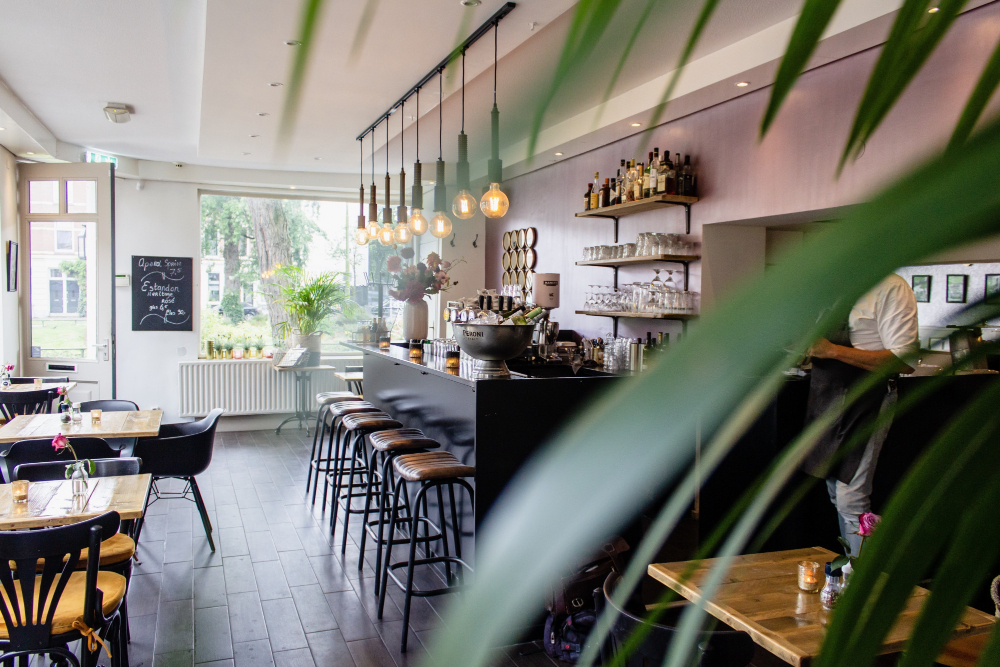
Something’s been happening in UK cities lately. Small, independent cafes and restaurants are popping up everywhere. And they’re not just places to eat. They’ve become spots where people gather, where creativity happens, and where communities form. They offer something the big chains just can’t match.
You know what I mean. That little coffee shop tucked away on a side street that you found by accident. The family-run restaurant where they change the menu based on what’s fresh that week. These places have become a real part of city life.
So why is this happening now? A lot of it’s about how we think about food these days. People are more curious. They want to try new places and appreciate the care that goes into them. Restaurant deals have helped too. When you can afford to try somewhere new without breaking the bank, you’re more likely to take a chance. It’s become less about treating yourself and more about exploring what’s around you.
Places with Character
Step into an independent cafe and you’ll notice the difference right away. These places have personality. They feel like the people who run them. You might see old furniture they’ve restored, art from someone local, or menus written on chalkboards. All those little touches matter. They make you feel something before you’ve even ordered.
It’s not just about looks either. Good independent places think about comfort. They want you to relax and enjoy yourself. The lighting’s right. It’s not too loud. The chairs are actually comfortable. Everything’s set up so you can have a proper conversation without feeling like you need to hurry up and leave. Chain restaurants? They’re designed to get people in and out quickly. It’s a totally different vibe.
Food That’s Actually Interesting
This is where independent places really stand out. The chefs can do what they want. They’re not following some corporate recipe book. They play around with what’s in season, what’s grown nearby, flavours from different parts of the world. You end up with dishes that surprise you in a good way. And because they’re always trying new things, there’s always something different to try when you come back.
Restaurant deals make it easier to be adventurous. When you’re getting a good price, you’re more willing to order something you’ve never heard of before. It means you’re supporting local chefs and getting to know the food scene better. Everyone wins.
Building Real Connections
Here’s maybe the best part about independent restaurants. They bring people together. These aren’t just places where you show up, eat, and leave. Many of them host events. Cooking classes. Wine tastings. Quiz nights. They create reasons for people to connect beyond just having a meal. You start recognizing the staff. You chat with other regulars. Going out to eat becomes social in a way that feels genuine.
This whole movement has had a knock-on effect too. As these places get more popular, they push everyone to do better. Standards go up. More restaurants focus on getting ingredients locally and thinking about sustainability. Farmers’ markets have more customers. Small producers find people who care about what they make. It’s all connected.
It’s Not Easy Though
Let’s be real. Running an independent restaurant is tough. Rent keeps going up. It’s hard to find people to work. Getting supplies can be unpredictable. The big chains have money to fall back on when things get tight. Small places don’t. The ones that survive are tough and creative. They figure out ways to keep customers coming back while staying true to what makes them special.
We can help as customers. Eat out on a Tuesday instead of Saturday when it’s packed. Go with friends and split a few dishes. Check out places in quieter areas. Small choices like these actually make a difference. It turns a meal out into something more meaningful than just spending money.
Every Neighbourhood Tells a Story
Independent cafes and restaurants give neighbourhoods their own flavour. Each area develops its own feel based on the places people support. Cool spots appear in unexpected places. Converted warehouses. Old market buildings. Quiet residential streets. They show off what makes each part of the city unique. Going out to eat becomes about discovering your city, seeing it from different angles.
This changes how people spend their time. Maybe you’re going to see some art, catch a band, or just wandering around on the weekend. Grabbing food becomes part of the whole experience. Things like restaurant deals help because cost isn’t this big barrier anymore. You can explore and socialize without stressing about your budget. Cities end up feeling more alive, more connected.
What’s Next
This trend isn’t going anywhere. People in cities want the real thing now. They want creativity and community, not just convenience. The places that do well will be the ones that get it right: nice spaces, interesting food, and real connection with the people around them.
For the rest of us who like eating out, this is great news. It changes what going to a restaurant can be. It’s not just about filling up. It’s an experience. It’s culture. As more people figure this out and find these places, cities become better, more creative, more social. That’s something worth getting excited about.

