

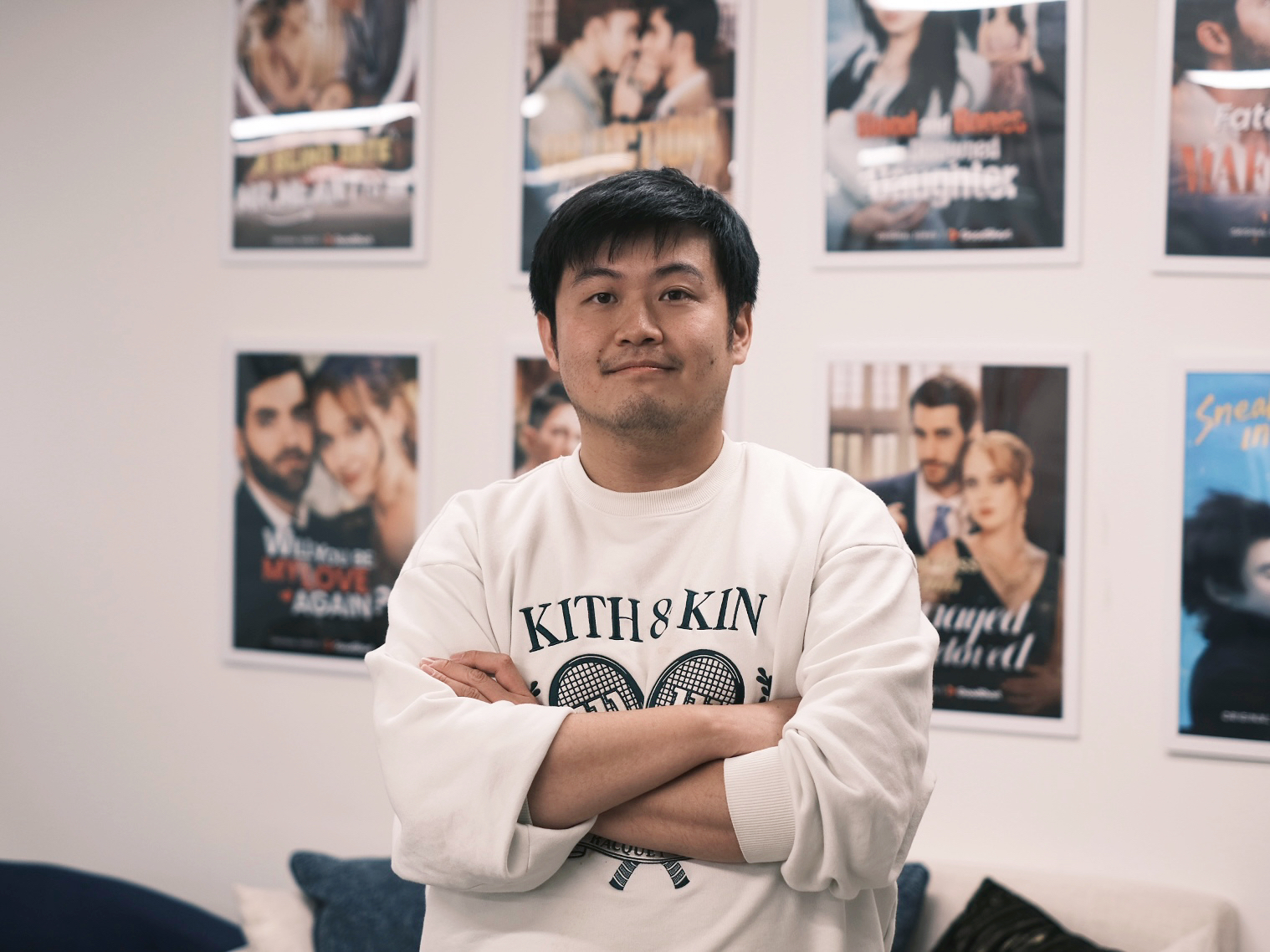
In the landscape of mobile-based entertainment, vertical dramas have emerged as a global phenomenon, captivating audiences with their bite-sized narratives and engaging emotional arcs. Leading the charge at GoodShort, one of the industry’s frontrunners, is Executive Producer Hao Chen, who recently shed light on the unique production challenges and strategic insights behind delivering these high-performing series at breakneck speed.
With a decade of experience spanning production and post-production, Chen now serves as GoodShort’s Head of Studio and Executive Producer, overseeing the English-language content slate across key international territories including the US, Canada, UK, Turkey, and Ukraine. His journey into vertical storytelling was uniquely shaped by early work in influencer marketing and a keen observation of the microdrama industry’s explosive growth in China, which surged from $500 million in 2021 to over $7 billion by 2024. This background instilled in him an innate understanding of mobile-first content engagement and performance-driven storytelling.
Under Chen’s leadership, GoodShort has rapidly scaled its production ecosystem, rising to become the #3 vertical drama app in the U.S. by 2025 and generating approximately $220 million in annual revenue globally, according to company data and industry estimates. The series he has overseen have collectively garnered hundreds of millions of views worldwide. As vertical drama continues expanding globally, producers developing scalable production systems, including Chen, are increasingly viewed as helping define the operational blueprint for the format.
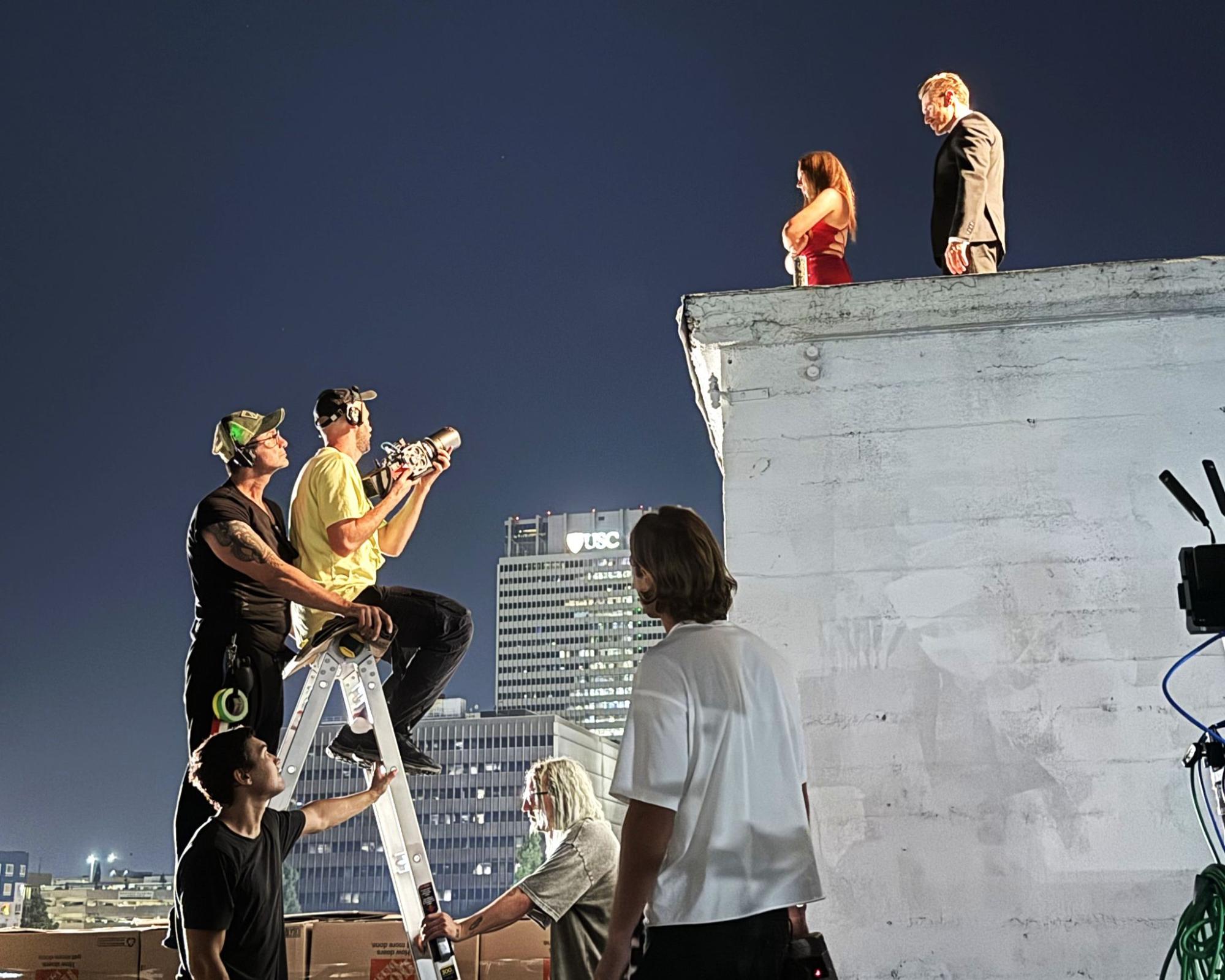
Blockbuster Vertical Hits and the Power of Emotion
Among the over 100 titles Chen has steered, several have become benchmarks for vertical storytelling. “Don’t Challenge the Lady Billionaire” boasts over 24 million views, “A Mistaken Surrogate for the Ruthless Billionaire” exceeds 31 million views, and “Blood and Bones of the Disowned Daughter” tops 25 million views.
“What these series have in common is strong emotional payoff, clear character stakes, and narratives where good ultimately prevails,” Chen explained. “These elements resonate particularly well with mobile audiences and helped set early benchmarks for viewer engagement, influencing pacing, cliffhanger construction, and character development across our slate.”
The Showrunner’s Vision: Blending Leadership and Storytelling
Having worn many hats across writing, production, and post-production, Chen identifies his favorite role as that of a showrunner and executive producer. “That position sits at the center of everything; creative vision, production execution, and audience impact,” he stated. “As a showrunner/EP in the vertical space, I’m not just overseeing logistics; I’m shaping the tone, pacing, and emotional arc of the series from the very beginning.”
He particularly enjoys owning the full journey of a project, from defining the “emotional engine” in development to ensuring creative intent survives budget realities, and finally shaping the rhythm and cliffhangers in post-production. “Ultimately, I like the showrunner/EP role because it combines leadership and storytelling. You’re responsible for the vision, the system, and the outcome,” Chen added.
Precision Under Compression: Budgeting for Speed
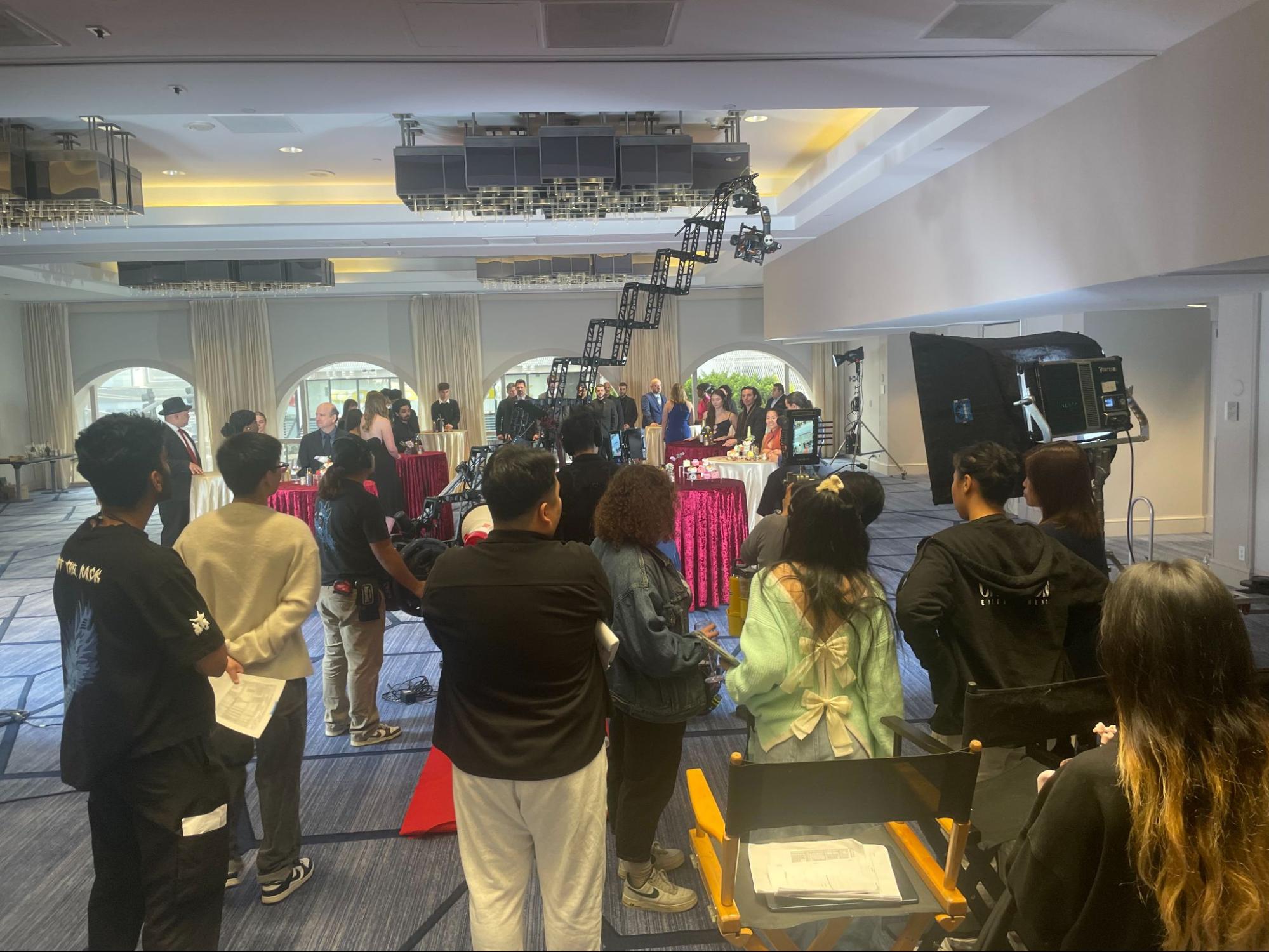
One of the biggest hurdles in vertical drama production, according to Chen, is achieving “precision under compression” when budgeting. GoodShort operates on an incredibly tight turnaround, with the entire process from development to release typically spanning just three months. Within this window, pre-production takes three to five weeks, and shooting is completed in a mere seven to ten days, covering 70-100 script pages – comparable to a feature-length screenplay – on a budget ranging from $160,000 to $200,000 per series.
“The key challenge is allocating resources where emotional impact matters most,” Chen emphasized. “In vertical drama, pacing and performance carry enormous weight. If a critical emotional beat feels underproduced, the audience disengages quickly. So budgeting isn’t about minimizing cost — it’s about strategic concentration. We prioritize casting, key emotional scenes, efficient location planning, and strong post-production pacing.”
An Efficient Model: Designed for Speed and Impact
GoodShort’s ability to maintain this pace is rooted in a meticulously designed system. “Efficiency starts in development. We lock core emotional arcs, major turning points, and structural cliffhangers early. That prevents expensive rewrites during production,” Chen explained.
In pre-production, intelligent consolidation is key. Locations are clustered, schedules are built around performance-heavy days, and departments align on a clear visual and tonal language suited for vertical framing. “Because vertical drama prioritizes emotional payoff over spectacle, we design coverage to support performance rather than over-shooting for safety,” he noted.
The “Secret” to Global Performance
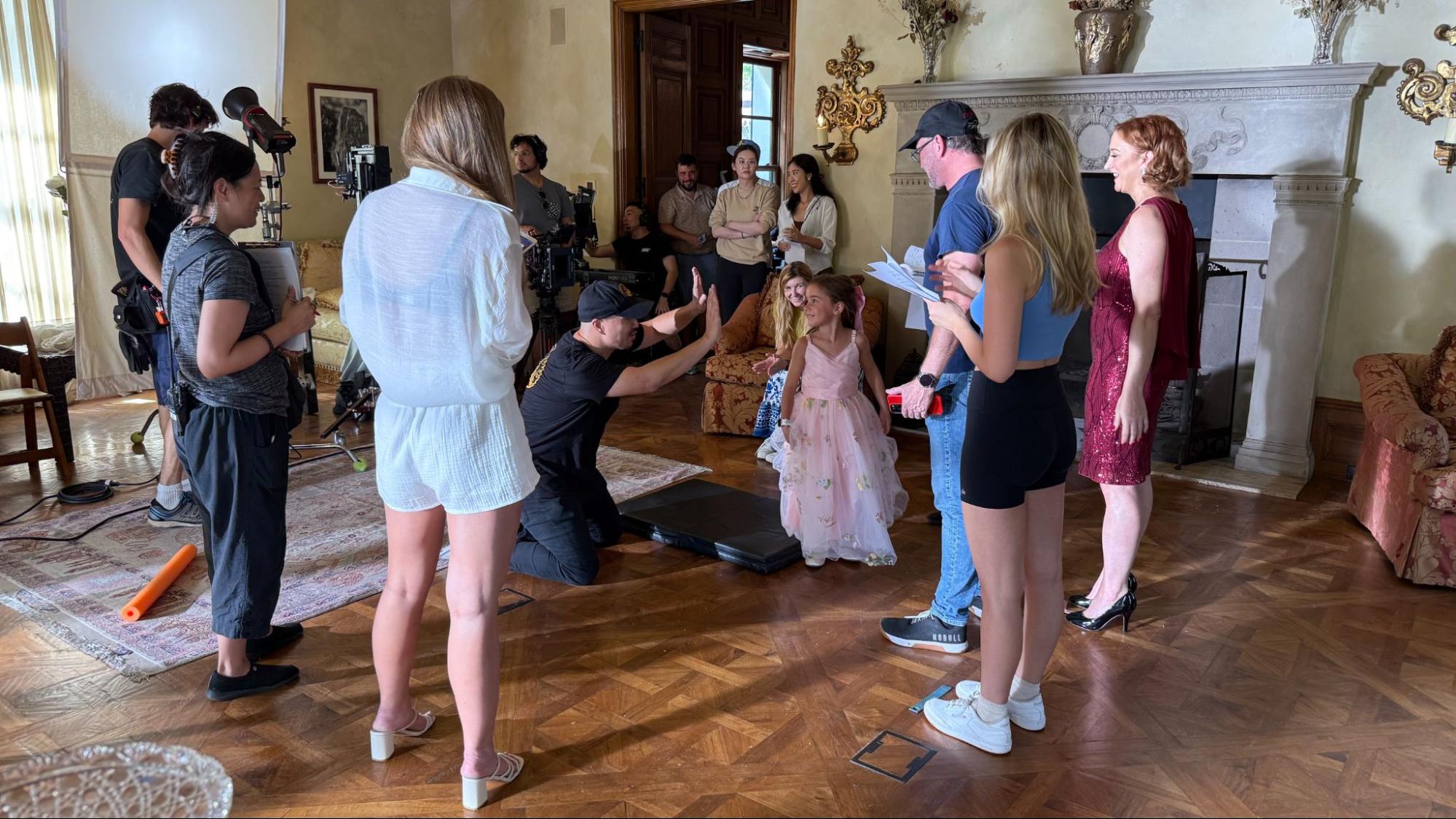
Chen believes the “secret” to delivering high-performing series for global audiences lies in the fundamentals: “a good story, good performances, and good visual presentation.” Given the format’s reliance on close framing and intimate moments, actors shoulder much of the emotional weight. “Casting and performance direction often have a greater impact than scale or spectacle,” he said.
Crucially, execution must align with mobile behavior. “Audiences decide within seconds whether to continue watching, so pacing, cliffhangers, and emotional beats must land quickly and clearly,” Chen stressed. “High-performing series are designed with retention in mind from the script stage, not adjusted afterward.”
Advice for Aspiring Vertical Drama Producers
For those looking to enter this dynamic space, Chen offers three pieces of advice: First, understand the medium’s grammar: “Vertical drama is not shortened television. It has its own storytelling grammar — faster emotional beats, earlier hooks, and clear structural payoffs. Study how audiences engage on mobile,” he advised. He also says to Build Strong Fundamentals: “No matter the format, good story, good performance, and good visual presentation still matter most. Vertical budgets and timelines are compressed, but that doesn’t mean standards should be lower. Precision becomes even more important.” Chen also says to Think Operationally: Producers must be comfortable balancing creative ambition with logistical discipline to navigate the rapid development-to-release cycles, feature-length scripts, and tight shooting schedules.
Chen’s motivation remains deeply rooted in the unique audience connection fostered by vertical dramas. The emotionally affirming structures — where good triumphs over evil — resonate deeply, providing viewers with comfort and escape. His work reflects an ongoing commitment to shaping vertical drama into a sustainable global storytelling ecosystem, balancing scale with creative integrity while meeting audiences precisely where they are.

