

Han Chai was born in Jixi, a remote industrial city on China’s northern border, a region shaped by extreme climate, heavy industry, and layered histories of migration. Growing up in an environment marked by economic volatility and working-class labour, she developed an early awareness of how quickly stability and social visibility can shift. As a teenager she identified with the Shamate youth subculture, a community of young migrant workers who used self-styling, online identities, and shared visual codes to assert presence within systems that largely overlooked them. This proximity to lives lived at the margins continues to inform the emotional and political ground of her work.
She later moved to the United Kingdom to study, where her interests gradually extended toward structure, material behaviour, and narrative form. What began as garment-based thinking gradually adopted a sculptural logic, prompting a transition into fine art. This shift allowed her to connect personal experience with broader questions of labour, class, and cultural value, establishing the conceptual framework that continues to guide her practice.
An early consolidation of this direction emerged with Soft Monuments (2023) at aolab Experimental Gallery in Shanghai and Unusual Norm (2024) in Hangzhou. In this body of work, Chai compelled cloth and pliable textiles into upright, gravity-resisting structures, treating soft matter as a spatial and mnemonic agent rather than passive fabric. Through layering, internal tension, and controlled staging, the sculptures positioned softness as capable of carrying weight and duration while retaining a sense of physical presence. The exhibition also marked the clear articulation of what she describes as “reversed craftsmanship,” where care, time, and material sensitivity operate as critical decisions rather than decorative effects.
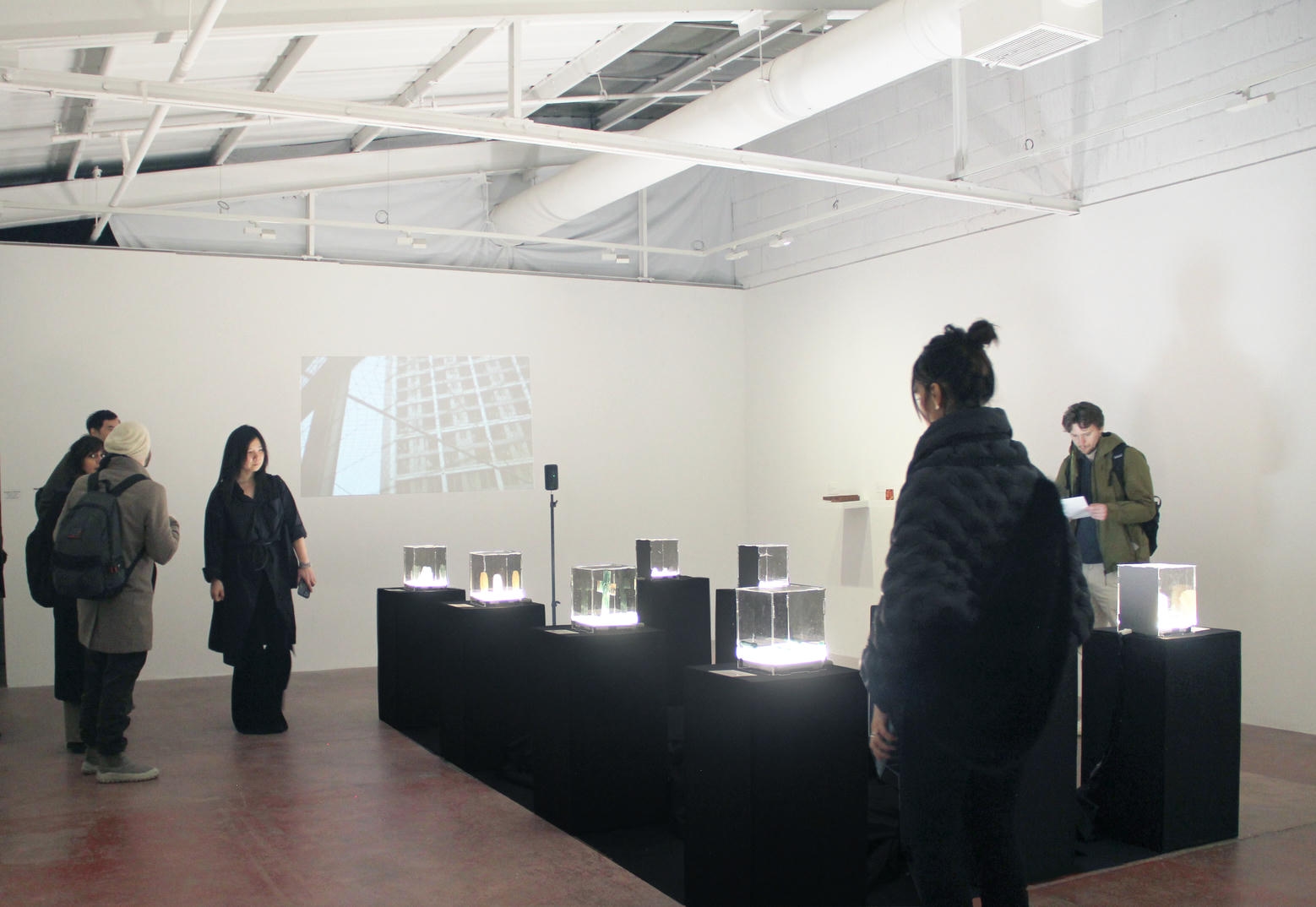
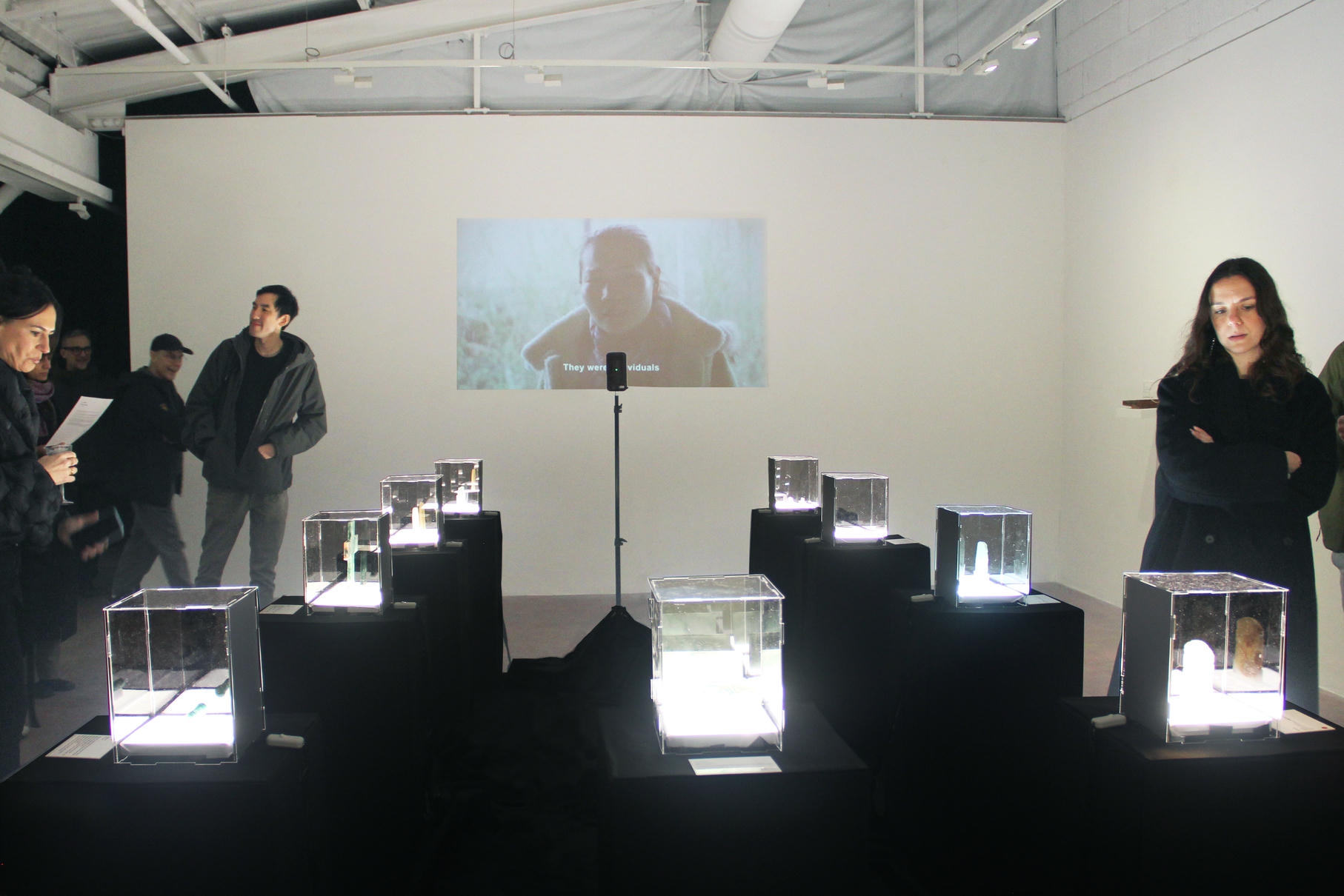
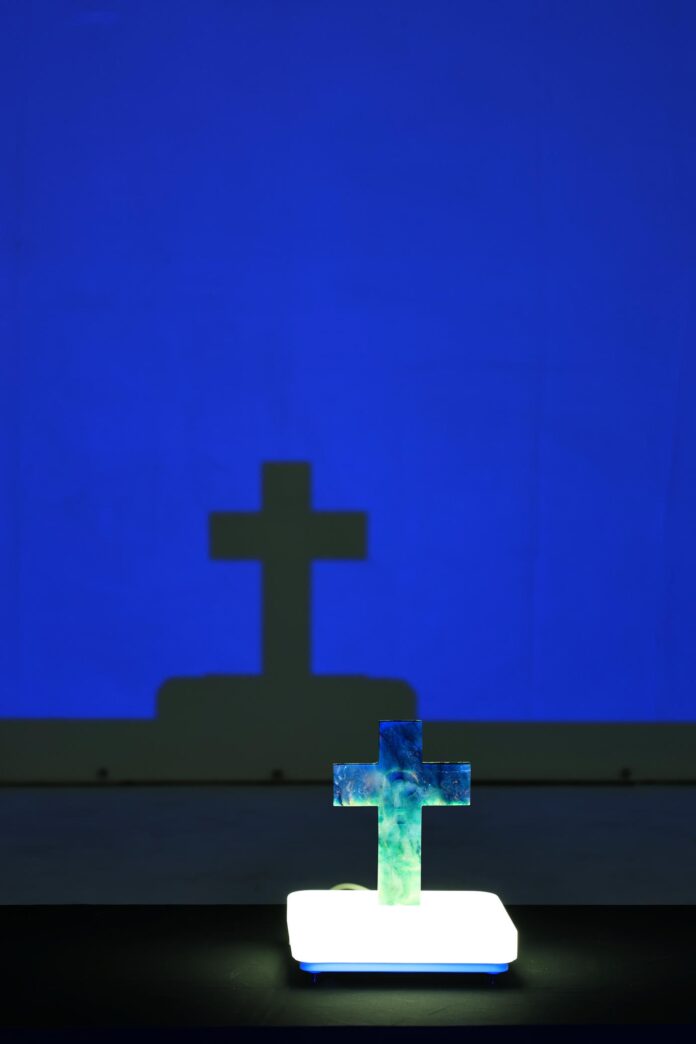
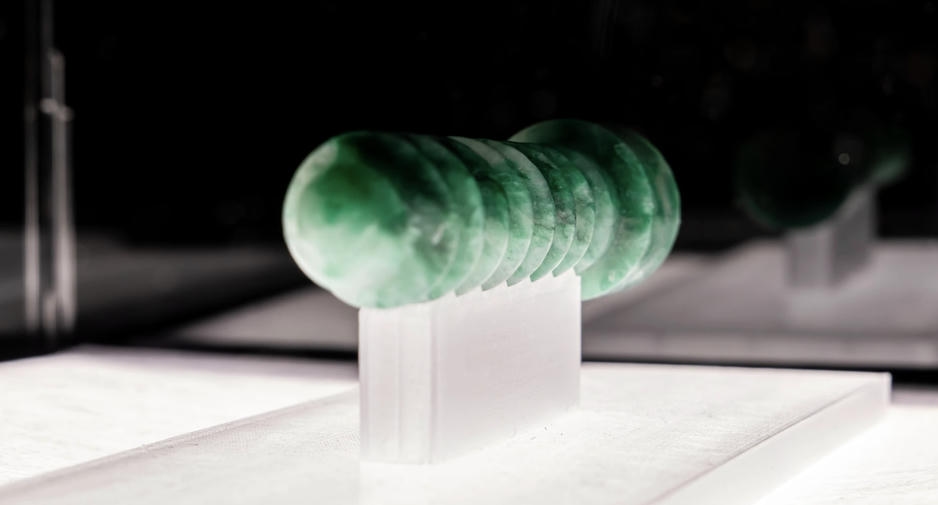
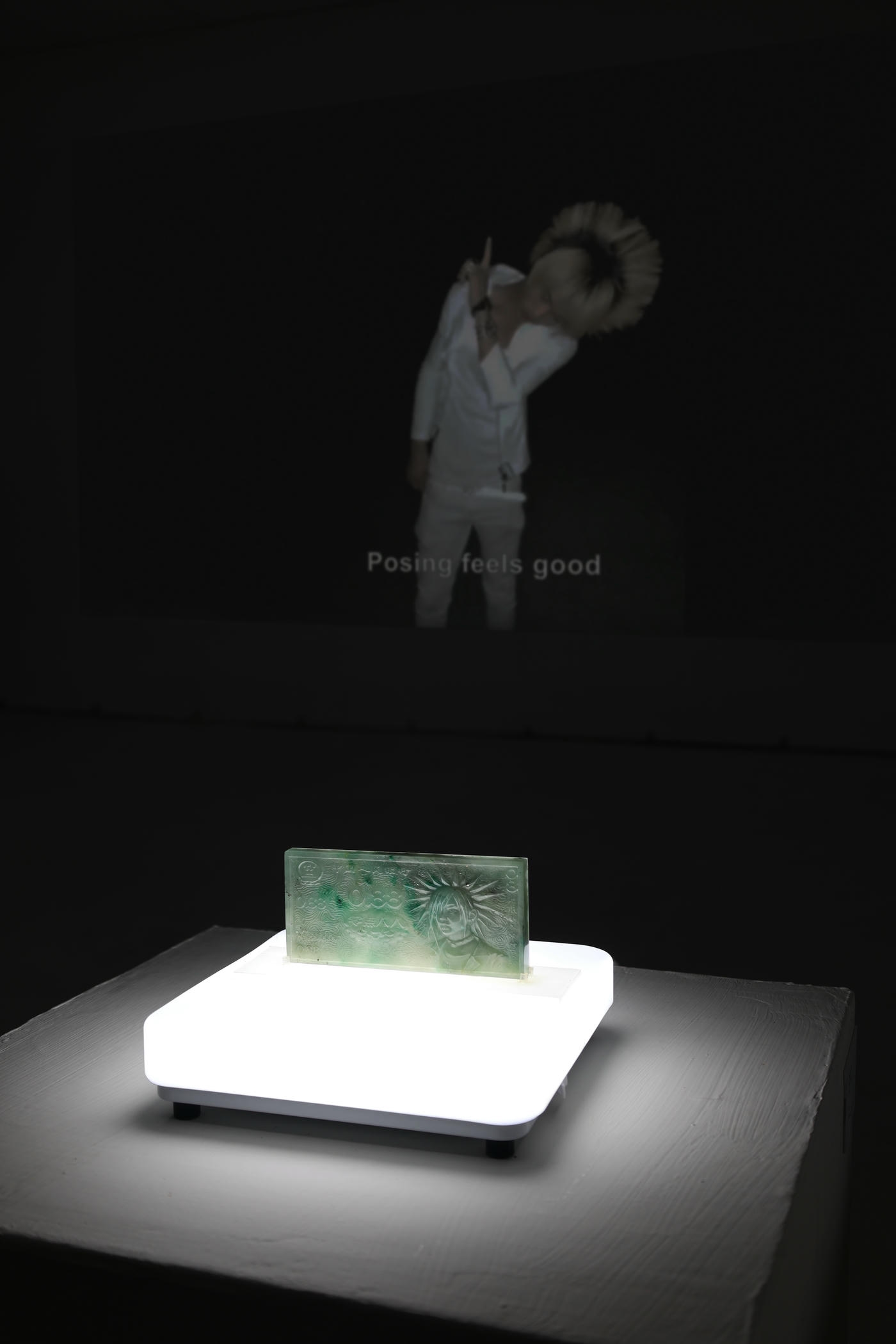
From 2025 onward, this material investigation expanded through the development of Royal Screw, translating earlier concerns into a more historically and materially charged sculptural language. Working increasingly with jade, bone, and bamboo, Chai redirected materials traditionally associated with authority and permanence toward the visual culture of Shamate youth. The solo presentation at the Casoria Contemporary Art Museum in Naples in October 2025 marked an important institutional moment, where works including Jade ID, 0.88 Yuan, The Cheap Thing, and Phone Grave positioned marginal digital identities within the visual logic of the museum.
Exhibitions across London and Italy between late 2025 and early 2026 have extended the reach of this body of work while maintaining the measured, materially disciplined approach that defines Chai’s practice. Across these presentations, her sculptures continue to operate as quiet acts of revaluation, using historically charged materials to hold the presence of lives and subcultures often positioned at the margins of official record. Rather than treating these works as static memorials, Chai approaches sculpture as an ongoing process of cultural marking, one that traces how identity, labour, and memory are carried forward through material form. She currently lives and works in London, where her practice continues to develop.

