

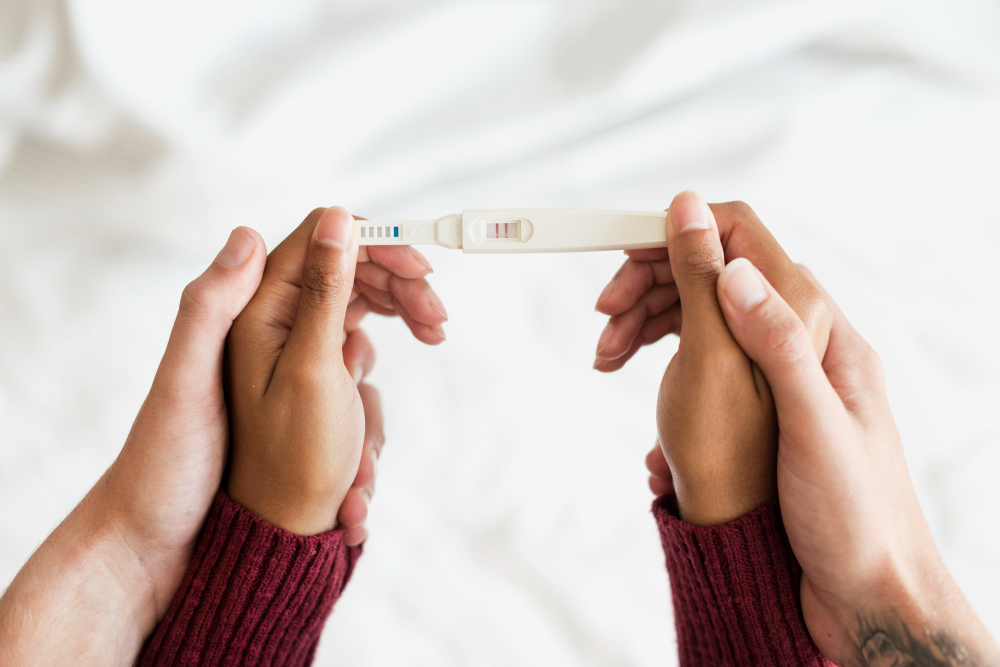
Infertility can be an emotional and challenging journey for many couples, especially when conventional treatments have limited success. For some, egg donation becomes a meaningful pathway to parenthood. In Melbourne, fertility clinics support individuals and couples who require donor eggs due to medical, genetic, or age-related factors.
A Melbourne fertility clinic can guide couples through this process by offering expert care, counselling, and personalised treatment options. Understanding how egg donation works, why it is needed, and what it means for intended parents can help couples make informed and confident decisions.
Why egg donation matters
Egg donation provides an option for people who cannot use their own eggs to conceive. This may be due to conditions including diminished ovarian reserve, premature ovarian insufficiency, medical treatments such as chemotherapy, age-related fertility decline, or genetic conditions that could be passed on to a child. Donor eggs can significantly increase the chances of a healthy pregnancy when other treatments have been unsuccessful.
For many Melbourne couples, egg donation is not just a medical solution. It is a pathway that restores hope and provides an opportunity to build a family when natural conception is no longer possible.
When egg donation is recommended
Egg donation is usually suggested after personalised assessments and earlier fertility interventions. A Melbourne fertility clinic may recommend exploring donor eggs in situations such as:
Age-related infertility
Egg quality naturally declines with age, particularly after 35. If previous IVF cycles have not produced viable embryos, donor eggs may offer a higher chance of success.
Genetic concerns
Some couples carry hereditary conditions that could affect their future child. Using donor eggs can reduce the risk of passing on these conditions.
Ovarian issues
Women with premature menopause, low ovarian reserve, or those who cannot produce eggs may be advised to consider egg donation.
Previous fertility treatment failures
If multiple IVF cycles have not resulted in pregnancy, donor eggs may be a suitable next step.
How egg donation works
Egg donation involves a donor providing eggs that are fertilised and then transferred to the intended parents’ uterus. Melbourne clinics follow a structured and supportive process.
1. Selecting an egg donor
Couples may choose between known donors, such as a friend or family member, or clinic-recruited donors. Fertility specialists help match donors based on medical history, characteristics, and personal preferences.
2. Medical screening and preparation
The donor and intended parent both undergo health checks. Donors are screened for genetic conditions and overall reproductive health. The intended parent may receive hormonal treatment to prepare the uterus for embryo transfer.
3. Fertilisation and embryo development
Donor eggs are fertilised with sperm in the laboratory. Embryologists monitor embryo growth, and viable embryos are frozen and quarantined. This quarantine period allows for additional donor health screening to ensure safety before transfer.
4. Embryo transfer
After the quarantine period is complete, a single frozen embryo is thawed and transferred to optimise safety and increase the chance of a healthy pregnancy. Any remaining viable embryos remain frozen for future use.
Benefits of egg donation for Melbourne couples
Egg donation offers several advantages for Melbourne couples who have struggled with infertility.
Higher success rates
Donor eggs typically come from younger donors (between 21 and 34 years old), which can increase the likelihood of pregnancy.
Opportunity for a biological connection
Even though the egg comes from a donor, the intended parent can carry the pregnancy and give birth, which creates an important biological and emotional bond.
Expanded family building options
Egg donation allows couples to continue their fertility journey when other treatments are no longer viable.
Supportive clinical care
Melbourne fertility clinics provide counselling, medical guidance, and ongoing care throughout the process to help individuals and couples navigate every stage confidently.
Emotional considerations
Choosing egg donation can bring mixed emotions such as gratitude, hope, uncertainty, or concern about the donor connection. Counselling is a required and important part of the process. It helps intended parents explore their feelings, understand their options, and prepare for future conversations with their child about donor conception. Many couples find that the joy of parenthood outweighs initial concerns once they understand the emotional and practical aspects of donor conception.
What to consider when choosing egg donation
Before beginning the process, couples may reflect on several key points.
Long-term planning
Think about how you may talk to your child about their donor origins in the future. Early openness is often recommended, and there are many age-appropriate resources available to help start and continue these conversations.
Personal preferences
Some couples prefer clinic-recruited donors while others feel more comfortable with a known donor.
Clinical support
Working with an experienced Melbourne fertility clinics ensures that screening, matching, and support are handled professionally and ethically.
Financial planning
Egg donation involves medical, legal, and procedural costs. Reputable clinics will walk you through all expenses with full transparency and can provide payment plan options if needed.
Conclusion
Egg donation plays a vital role in helping Melbourne couples who face infertility achieve their dream of becoming parents. It offers a hopeful and effective option for those who cannot use their own eggs and provides a pathway that blends medical science with compassion and support. With the guidance of a trusted fertility clinic and a deeper understanding of the process, couples can move forward with confidence as they take meaningful steps toward growing their family.

