

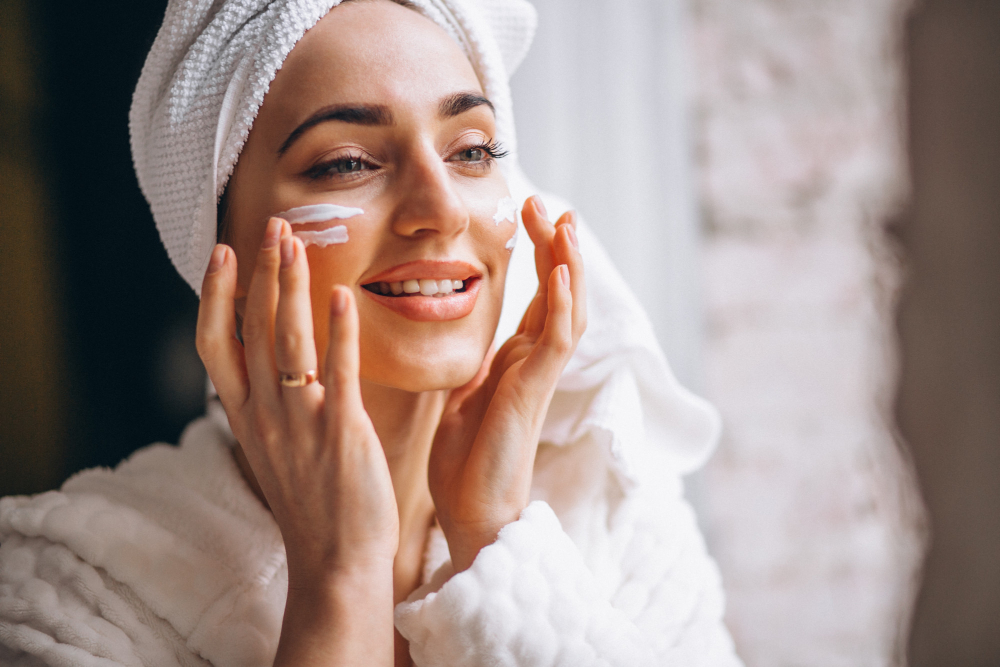
The modern beauty industry feels more crowded than ever, with new skincare labels, celebrity launches, and influencer collaborations appearing so often that even regular followers struggle to keep track.
What once felt like a slow cycle of seasonal releases now moves at social-media speed, where a product can trend for a week and disappear just as quickly. AI-generated adverts, exaggerated marketing, and campaigns built around personality rather than formulation have added to the sense that the market is drifting toward style over substance.
In a space built on constant releases, the question is no longer what becomes popular, but what manages to outlive the hype. Skincare makes that shift easiest to see. As viral trends make it harder to tell which products are built to last, this article looks at why trust in skincare matters more than ever.
Why Skincare Became the First Place Consumers Started Looking for Proof
Skincare has quietly become one of the first areas where audiences started demanding more than branding alone. In the social media age, cosmetic appearance and visual markers are the first impressions you’ll have on people. Skincare remains the largest segment of the beauty market, accounting for about 44% of total sales, and the global sector is projected to reach around US$206.6 billion in 2026.
Skincare routines are now discussed with the same scrutiny once reserved for training or diet. Brands such as OkoaSkin are often mentioned in that context, not because of aggressive promotion, but because their formulations are presented as something intended for consistent use rather than short-term visibility.
Highly researched and scrutinised product reviews are now shared openly online, with people comparing ingredients, questioning claims, and paying closer attention to how products are actually formulated. As more releases compete for attention, the wider beauty market is starting to face the same demand for proof.
How the Conversation Around Skincare Changed
One of the clearest signs of this shift can be seen in how people now talk about ingredients rather than branding. Product discussions that once focused on packaging, scent, or celebrity backing increasingly revolve around formulation, active compounds, and how different products fit into a routine.
Ingredient names that used to sound technical are now part of everyday conversation, and it is no longer unusual to see consumers comparing percentages or questioning whether a product actually contains what it claims to contain.
Figuring out how to choose the best skincare ingredients has meant the conversation has shifted away from marketing language and toward understanding what a formula is designed to do. The more familiar people become with how products work, the less convincing hype alone tends to feel, and the wider beauty market is starting to adjust to an audience that expects proof rather than promises.
When Every Brand Goes Viral, Trust Becomes the Only Differentiator
Greater awareness of ingredients has arrived as the number of brands has multiplied, creating a market where visibility is easier to achieve but harder to believe. Influencer-led labels appear constantly, celebrity skincare lines launch with built-in attention, and AI-generated ads can make products look established long before results are proven.
Say a product becomes popular overnight. The question now, almost immediately, is how long that popularity will last. Trend cycles move so quickly that repeated claims lose their impact, and audiences have become more cautious about what they trust.
For example, brands experimenting with AI influencers, such as virtual influencer Lil Miquela, risk weakening consumer trust, with studies finding that audiences respond more negatively when products are promoted by artificial personalities rather than by real people.
In a space where hype is easy to create, credibility begins to matter more than reach, turning trust into the only real differentiator.
Routine Culture Is Replacing the Search for Quick Fixes
The way people approach skincare has started to change. Instead of buying whatever happens to be trending, more consumers are putting together routines they expect to use for months rather than days, paying closer attention to how products work together and whether results come from consistency rather than novelty.
Dermatology advice, industry-expert reviews, and science-backed guides now carry more weight than short viral clips, reflecting a shift toward habits that can be maintained instead of constantly replaced.
There are many reasons to switch up your skincare routine, but most come down to the same idea: skin responds better to careful adjustments over time than to constant product swapping.
As routines become more deliberate, impulse buying loses its appeal, and expectations change with it. People are less interested in chasing the next release and more interested in the results they can repeat.
Why the Brands Built on Trust Are More Likely to Last
The beauty industry is unlikely to slow down, and new launches will continue to appear as quickly as trends form online.
What has changed is how audiences respond to that constant flow. Shorter hype cycles, repeated claims, and greater familiarity with ingredients have made consumers more cautious, especially in skincare, where results are expected to show over time rather than overnight.
Longevity depends less on visibility and more on whether a product can justify its place in a routine. As viral beauty culture moves faster, trust is starting to look less like a bonus and more like the only thing that lasts.

