30 March marked the birthday of Vincent van Gogh, a figure whose life story has become almost as famous as his art. From his years of struggle with mental health, including the well-known episode in Arles where he cut off part of his ear, to his time spent in the asylum at Saint-Rémy-de-Provence, Van Gogh’s story is often narrated through moments of hardship. To this day, he is celebrated for masterpieces like The Starry Night and his vibrant Sunflowers, works that have come to play a pivotal role in modern art.
Beyond these memorable pieces, though, lies a vast body of work that rarely receives the same attention. This week offers a chance to pause and reflect on Van Gogh’s legacy as well as the richness and emotional depth of paintings that remain less widely recognised. Here are four works that deserve a closer look:
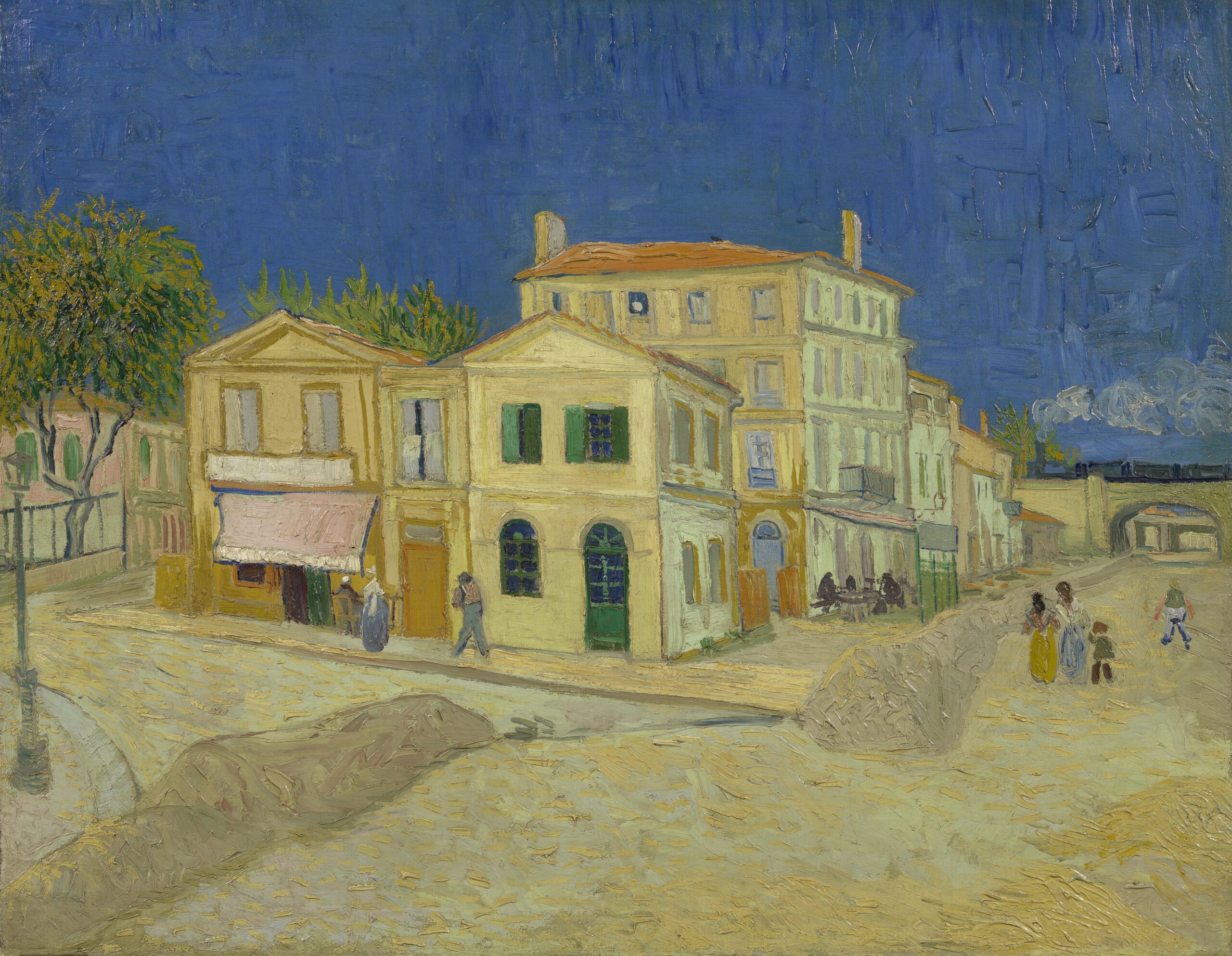
The Yellow House (1888)
Painted during his time in Arles, this piece of art depicts the home where Van Gogh hoped to establish a community of artists. The bright yellows radiate optimism and warmth, making the painting even more poignant when considering how that dream ultimately unraveled.
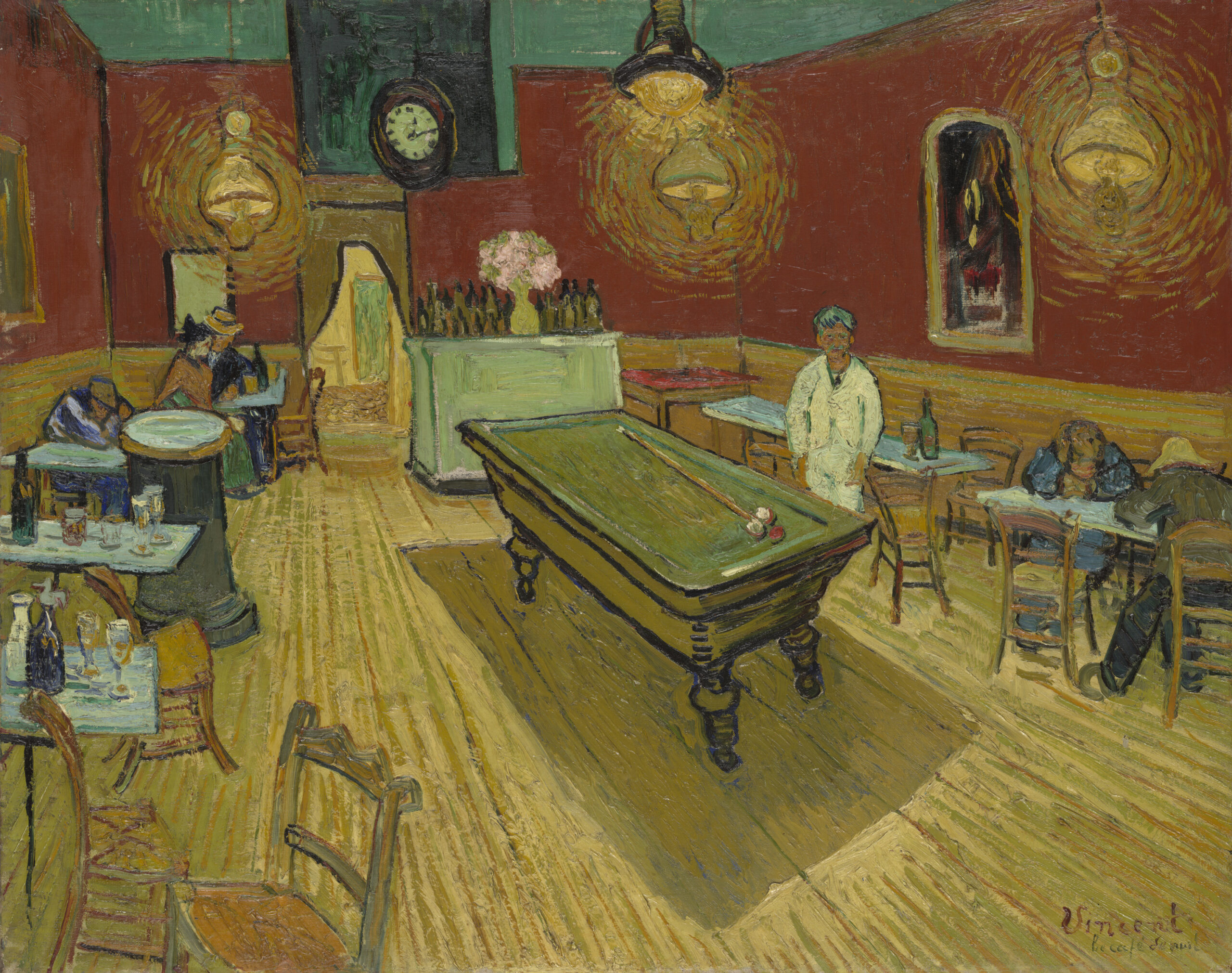
The Night Café (1888)
Far from the serenity of The Starry Night, this interior scene is intentionally unsettling. Van Gogh aimed to convey the café as a place where one could “ruin oneself, go mad or commit a crime.” The clashing reds and greens create a palpable sense of unease.
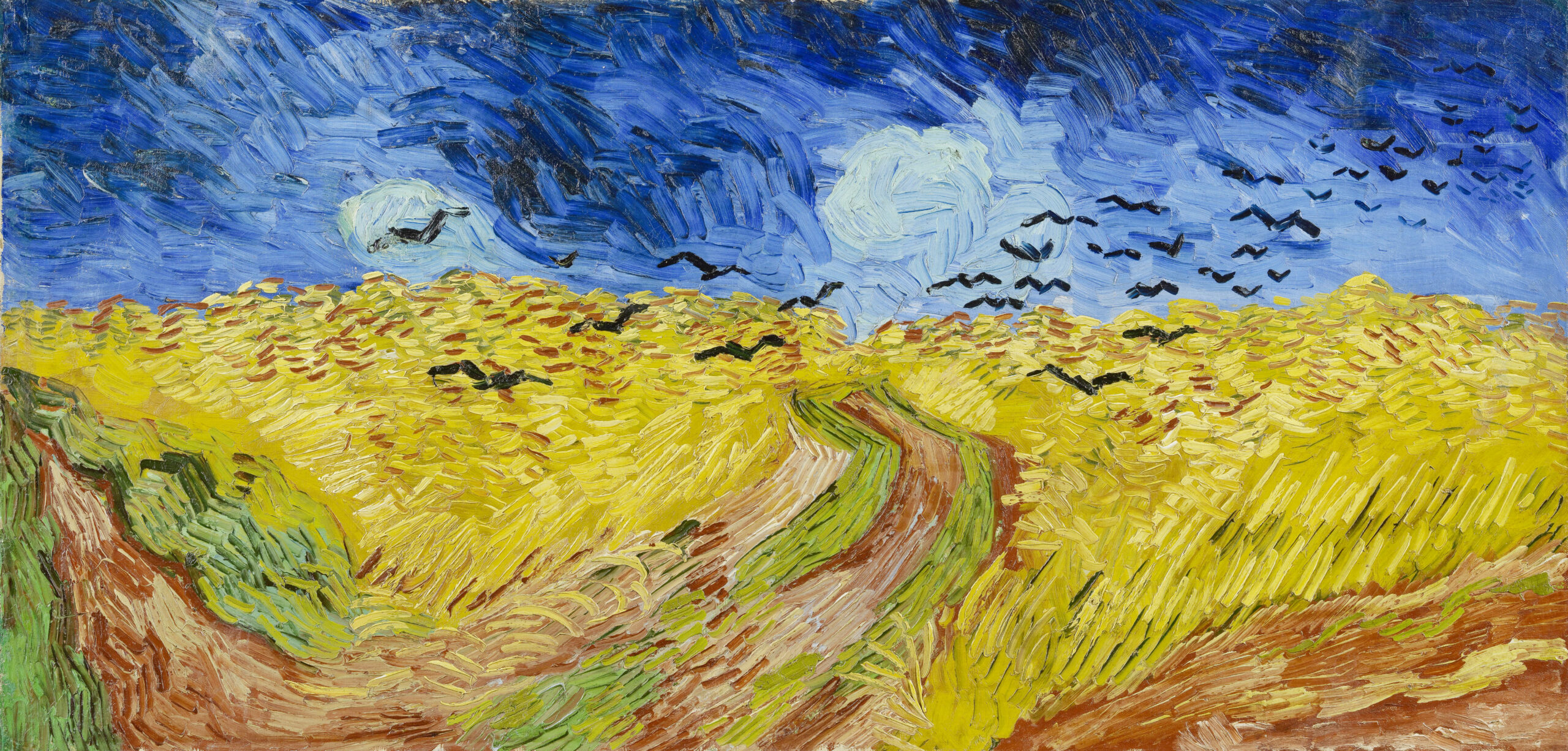
Wheatfield with Crows (1890)
This haunting landscape is one of Van Gogh’s final works. The turbulent sky and dividing paths have led many to interpret it as a reflection of his inner turmoil. This piece serves a powerful example of how he used colour and movement to convey emotion.
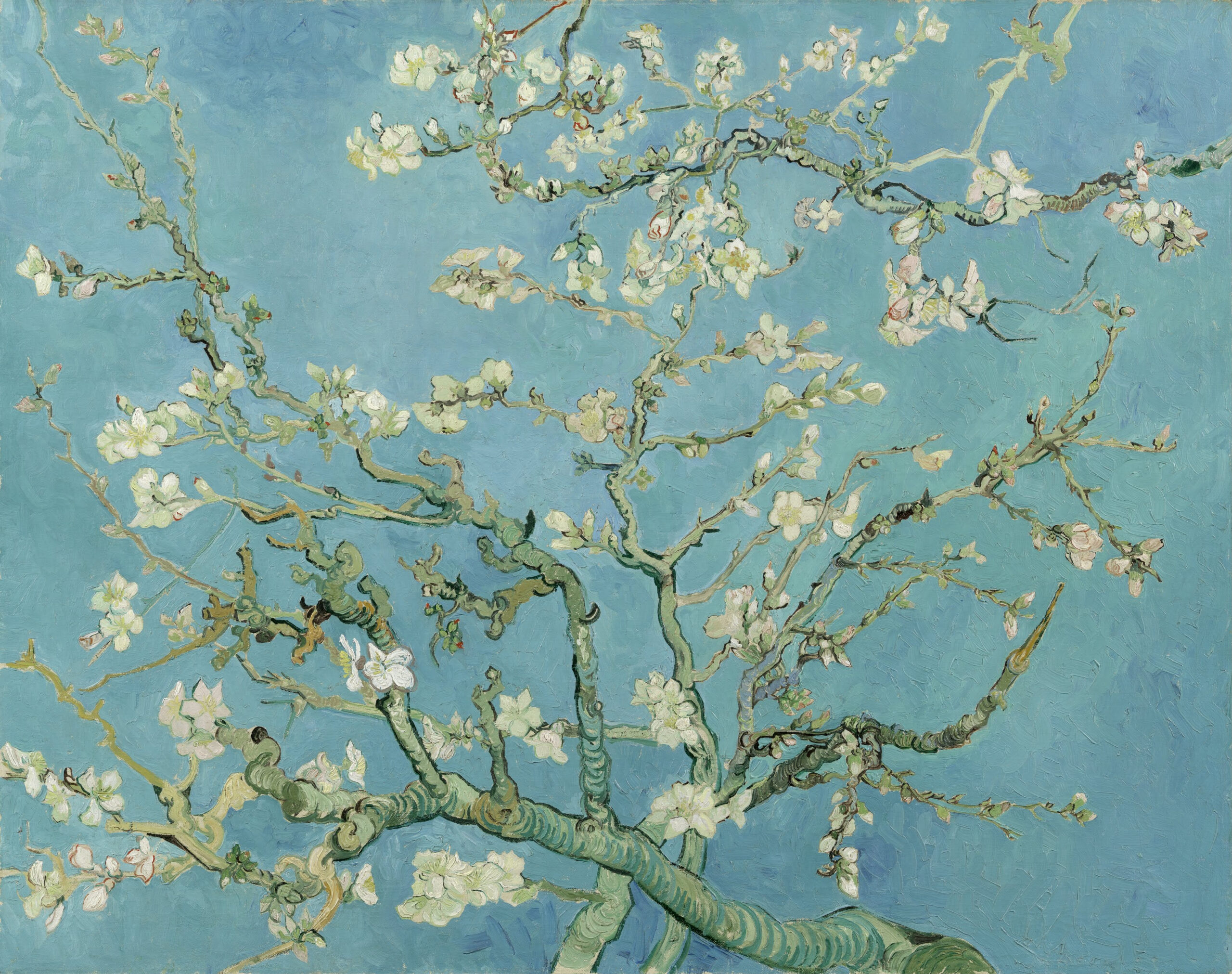
Almond Blossoms (1890)
Created as a gift to celebrate the birth of his nephew and namesake, this painting feels markedly different from Van Gogh’s stormier works. Its delicate branches and clear blue sky are inspired by Japanese prints, symbolising hope and renewal.