

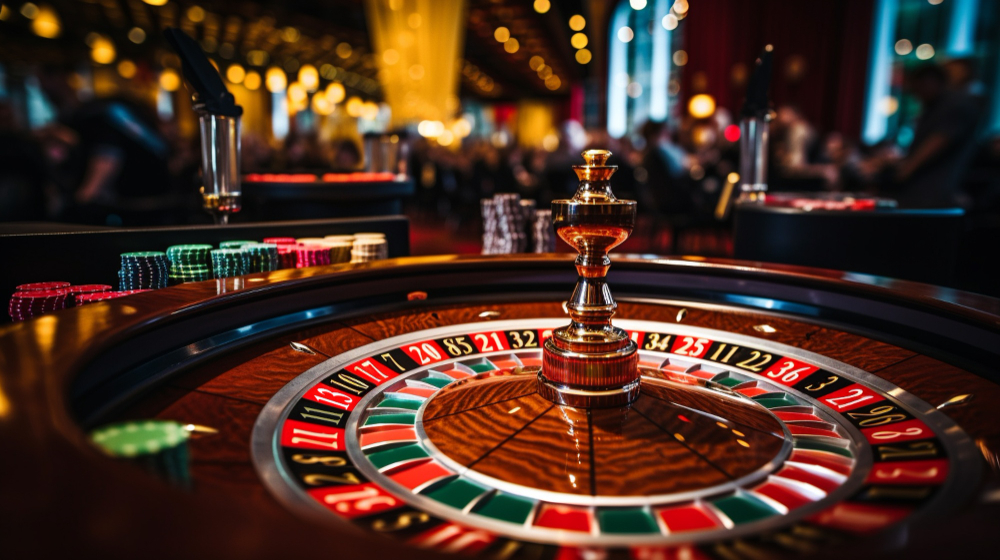
Bold splashes of color. The flickering lights captivate your attention. Surfaces you just want to touch, humming with hints of excitement or intrigue. Casino settings have always fascinated people, mixing anticipation and spectacle into a charged atmosphere. In the past twenty years or so, a shifting group of artists and designers have begun pulling from this world, weaving its boldness and energy into the framework of contemporary art; think dreamy installations, high-tech digital works, and even outbursts onto city streets. Flaunt Magazine’s 2024 report points out that the pull comes from more than just looks; there’s psychology in play, too. As online spaces eagerly borrow casino visuals and rules, artists keep returning to this theme, their fascination not fading but deepening.
Immersion tactics in the new art scene
These days, it’s common to see immersive installations that borrow right from the playbook of classic casino environments. Some artists recreate the overload of the casino floor, massive LED grids, pulsing color fields, and gadgets that demand attention. According to a 2025 survey, almost 40% of big-name installations now feature clear nods to casinos, from their unpredictable architecture to the way light shapes emotion. The goal often seems not simply to dazzle but to let audiences feel a rush, anticipation, and the strange thrill of being somewhere outside regular time.
You’ll find digital artists especially eager to blur those boundaries, using patterns of flashing lights, endless audio loops, or even sculpture that moves and spins, pushing the atmosphere into the realm of the unreal. This is hardly accidental. Many artists seem to deliberately reach for the same psychological levers casinos use to keep people entranced, translating those effects into something new for the gallery or streetscape.
The casino as symbol and its online evolution
When artists pull in game-room imagery, they are often hinting at life’s uncertainty, risk, shifting fortunes, and the distraction of the modern world. Crafting Multidimensional or Computing Art often builds on these same ideas, and that whole visual language, once tied to smoky rooms, has quietly migrated into digital art, too. On major platforms, the familiar cues of the casino, flashing interfaces, spinning reels, and modular layouts, now frame both gaming and artistic contexts. Current numbers from Flaunt Magazine 2024 show that more than a quarter of interactive digital exhibits copy their look straight from online casino setups.
Plenty of projects use digital slots and roulette to comment on what it means to participate in today’s algorithm-driven landscape. Some even poke at how much time we engage online, seeking validation or little bursts of recognition. This is not just copying surface style. If anything, it reveals how casino logic and uncertain dynamics now shape the way all sorts of internet interactions unfold, changing what people expect from interactive art itself.
Spectacle, architecture, city spaces
Casino architecture’s boldness has become a deep well for artists to draw from. Instead of delicate gallery spaces, you now see walls and façades inspired by the outsize confidence of Las Vegas, big statements, strange floor plans, and plenty of light. New Wave Magazine notes that a significant number of new galleries, over 30%, in fact, are weaving casino signatures directly into their designs, swapping predictable layouts for something more disorienting or dramatic. This push spills out onto the street, too. Muralists and street artists have been lifting bits of gaming culture for a while now—slot icons, those old-school felt patterns, neon-style glow, all of it.
They twist these pieces into public art, blending quiet, reflective moments with the kind of visuals you normally see flashing in a casino hallway.What used to hint at exclusivity, a sort of members-only atmosphere, now shows up casually on city walls and storefronts. The line between fine art and everyday entertainment grows flatter by the year. And casino design, once locked away inside carefully controlled interiors, has slipped into the rhythm of daily visual culture.
Fashion, performance, and where they meet
There’s no reason to stop with paint and architecture. The charged spirit of the casino has jumped into fashion, music, and live shows. Understanding Casino Dress Codes helps explain part of this crossover, as designers dip into this visual vocabulary of shimmering sequins, metallic glints, and bold geometry not just for taste but for the way these elements feel to look at. On stage, musicians and performers pull from casino imagery to summon nostalgia, glamour, and occasionally an edge of decadence.
The blend goes both ways; See Great Art found that since 2020, joint ventures between musicians, visual artists, and designers have gone up by 22%, all fueled by casino themes. Out of this mix springs a new culture, one that is hybrid and loud, setting intrigue and spectacle as the norm. Instead of keeping the casino in its own little box, artists and performers use its symbols as shorthand for big emotional swings, a kind of currency for the digital, attention-hungry age.
Approaching casino themes with care
While borrowing casino drama provides artists with powerful tools, it also carries certain limitations. Harnessing spectacle or borrowing psychological tricks can bring unintended side effects, trailing close behind the challenges that actual casinos can carry. The National Council on Problem Gambling emphasizes the importance of transparency and urges viewers to delve deeper, rather than succumbing to superficial attraction.
That means artists, curators, and audiences alike need to stay mindful and aware of the power these motifs can wield. If art is shaped from casino cues, responsibility ought to be part of the process, a quiet companion to creative exploration. Sensation matters, but insight and a little self-awareness should tag along for the ride.

