

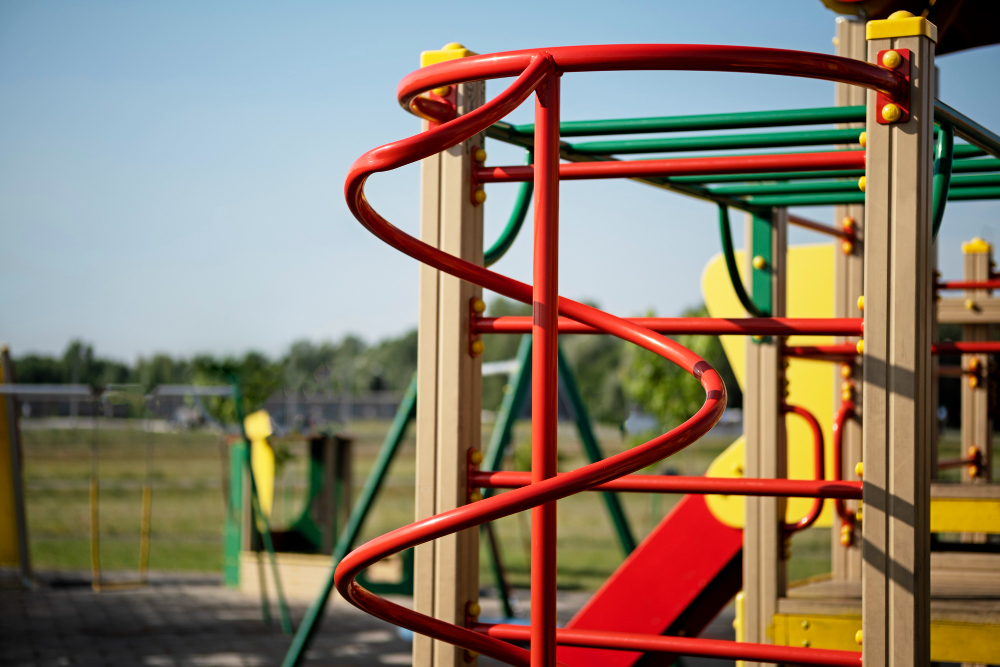
The Bronx stands out as a green oasis within New York City, home to over 200 dedicated parks and playgrounds managed by the Department of Parks and Recreation (DPR). These spaces, part of the city’s more than 1,700 recreational facilities, span from the sprawling 2,772-acre Pelham Bay Park—the largest in NYC—to the revitalized Bronx River Parkway trails that wind 15 miles (ca. 24 kilometers) along the borough’s eastern edge. Families flock to these areas for picnics, bike rides, and unstructured play, with usage surging 12% in 2025 following DPR’s expanded community programs.
Why Safe Playgrounds Matter for Bronx Families
Safe playgrounds are cornerstones of child development in the Bronx, where limited indoor options make outdoor spaces indispensable. DPR’s Fair Play initiative, launched in 2020 and expanded through 2025, has equipped over 150 borough sites with ADA-compliant features, including ramps and sensory gardens, to include children with disabilities. This aligns with federal guidelines from the Consumer Product Safety Commission (CPSC), mandating equipment like slides with enclosed platforms to minimize falls.
In neighborhoods such as Fordham and Hunts Point, where green space per capita lags city averages, parks like Joyce Kilmer Park counter environmental stressors, lowering asthma rates tied to inactivity. Studies show regular playground access improves cognitive function by 15% in urban kids under 10, while reducing behavioral issues through peer play.
For Bronx families, these venues also support parental well-being, with 2025 DPR surveys indicating 70% of caregivers report lower stress after weekly visits. Investing in safety here amplifies these benefits, turning everyday outings into opportunities for growth and joy, free from worry.
Spotting Common Defects in Popular Spots
Vigilance reveals everyday defects that can turn joyful play into mishaps, particularly in the Bronx’s diverse terrains. Uneven paths, often buckled by tree roots or freeze-thaw cycles, pose risks on Pelham Bay’s 13 miles (ca. 21 km) of trails, where recent visitor logs note 200 such reports in early 2025. Loose gravel scatters across the Bronx River Greenway’s unpaved segments, creating unstable surfaces for strollers and toddlers during family hikes—DPR’s 2025 resurfacing efforts have stabilized 5 miles (ca. 8 km) already. Wet grass, slick after Bronx Zoo-area sprinklers or overnight dew, affects playground edges at St. Mary’s Park, where 15% of incidents involve post-rain slips per local audits.
Data-Driven Insights: The Rise in Playground Incidents
Falls remain the predominant injury mechanism for New York children under 14, driving over 25,000 hospitalizations statewide annually, with unintentional incidents claiming lives as the leading cause of death in this age group. A 2025 study pegs serious fall injury rates at 170.2 per 100,000 for ages 0-4, dropping to 120.5 for 5-9-year-olds, yet playgrounds account for 80% of nonfatal cases nationally, sending 228,000 kids under 14 to emergency rooms each year. In the Bronx, claims data reveals 111 playground-related personal injury filings from 2015-2024, matching Queens for the second-highest borough total after Brooklyn’s 150, with costs exceeding $20 million citywide over a decade.
Post-pandemic, deferred maintenance fueled a 15% uptick in Bronx incidents from 2021-2024, per advocacy reports, though 2025 shows stabilization: DPR handled 1,500 maintenance requests borough-wide by mid-year, focusing on surface repairs amid $150 million in capital allocations. These figures underscore progress—falls comprise 45% of pediatric nonfatal injuries—but highlight the value of targeted interventions to protect vulnerable young users.
Property Owners’ Duty: Legal Safeguards in Place
New York premises liability imposes a clear duty of care on public entities like DPR, obligating regular inspections and hazard remediation to protect invitees such as park-going families. This includes adhering to CPSC standards, like maintaining 12-foot fall zones with engineered wood fiber that absorbs impacts up to 10 feet (ca. 3 m).
In Bronx cases, liability hinges on constructive notice—proving owners knew or should have known of defects, as with unaddressed 311 complaints leading to 20% of successful claims. The city’s three-year statute of limitations facilitates recovery for costs averaging $15,000 per child injury, encompassing ER visits, PT, and follow-up scans. Recent rulings, including a 2025 Bronx Park verdict awarding $100,000 for a mulch-related slip, reinforce accountability. DPR’s 2025 enhancements, like the April completion of Orchard Beach’s new maintenance facility for faster repairs, exemplify compliance. These frameworks not only deter negligence but empower victims, ensuring parks evolve as equitable, hazard-free public goods.
Advocacy follows: Join parent councils influencing DPR’s 128 completed FY25 projects, including December’s Berry Playground reconstruction. For a personalized strategy, connect with an experienced Bronx slip and fall lawyer for no-obligation reviews. Quick-reference checklist: 1) Secure immediate care and photos; 2) Collect witness details; 3) Obtain DPR logs; 4) Track all expenses; 5) Consult legal aid within 30 days. This approach not only heals but also advocates for systemic upgrades, securing brighter, safer park experiences ahead.
Community-Led Prevention: Tools for Safer Days
Bronx residents drive change through accessible tools, amplifying DPR’s efforts for proactive hazard management. The 311 app processes over 5,000 annual Bronx park complaints, with photo uploads triggering responses in 7 days for urgent slips risks—2025 data shows 85% resolution rates. Groups like the Bronx River Alliance organized 50 cleanups in 2025, clearing debris from 12 miles (ca. 19 km) of trails and cutting slip incidents by 25% in treated areas. DPR’s community workshops, held at 60 sites this year, trained 2,000 parents on pre-visit checks, such as testing swing mulch depth or avoiding dawn dew on grass.
Post-Incident Roadmap: Recovery and Advocacy
When slips happen, structured steps pave the way to full recovery and justice. Prioritize medical evaluation: 15% of child falls yield concussions, treatable with rest and monitoring per CDC protocols, often requiring 48-hour observation. Document meticulously—scene photos, timestamps, and bystander accounts form the backbone of 70% of viable claims. File on-site with park rangers for incident reports, then escalate via 311 to establish notice. Compensation pursuits cover tangible losses like $10,000 in therapy for fractures, plus intangibles such as family counseling for trauma. In 2025, NYC slip-and-fall settlements averaged $75,000 for park injuries, with 47,000 annual citywide cases driving $890 million in medical expenses.

