

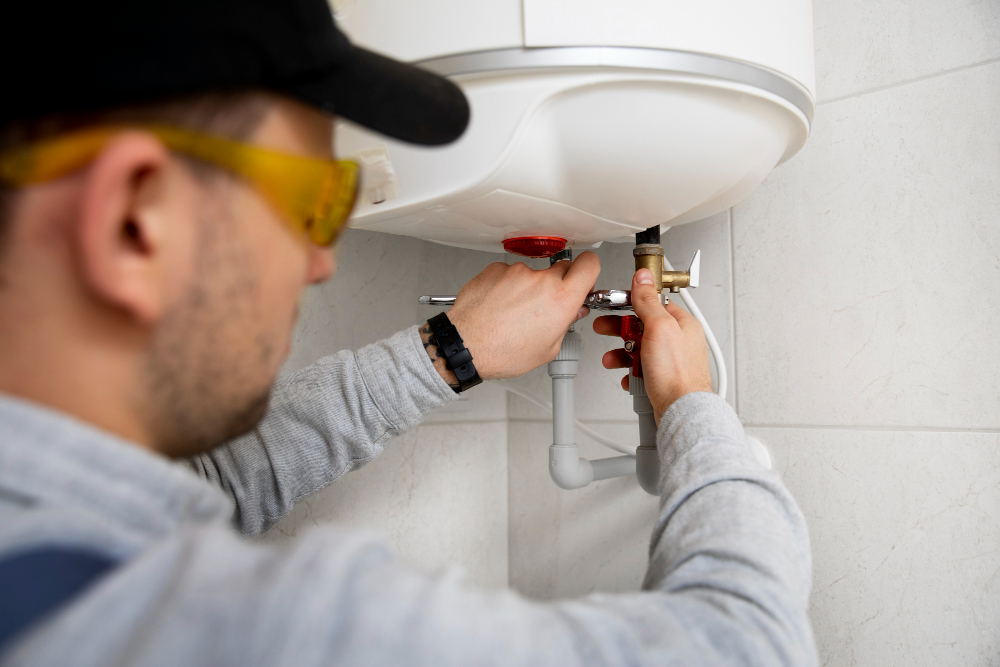
You’ve got three quotes. One says £2,000. Another says £3,500. The third? £4,200 for the same boiler. What gives?
Boiler costs aren’t random. They’re brutally logical once you understand the game. You might even qualify for help through the Free Boiler Scheme, which could significantly reduce or eliminate your costs depending on your circumstances. Your postcode matters more than the boiler brand. The work you need done matters more than fancy marketing. And yes, some regions just cost more; deal with it. Here’s what actually drives your bill.
Location Tax: Your Postcode Sets the Price
Geography isn’t fair. It’s expensive.
Why Does London Cost 20% More?
London installers charge £2,500–£3,500 for work that costs £1,500–£2,000 up north. South London? Add another 2% on top. That’s not greed, it’s economics.
Higher wages. Higher rent. Higher everything. Engineers in the capital need £300–£500 per day just to break even. Manchester engineers? £250–£400. The work’s identical. The cost of living isn’t.
| Region | Price vs National Average | Typical Combi Install |
| London & South East | +15% to +22% | £2,500–£3,500 |
| Midlands | -10% to -15% | £1,600–£2,200 |
| North England | -10% to -15% | £1,500–£2,000 |
| Scotland & Wales | Near average | £1,700–£2,400 |
Want to save money? Move. Not practical? Then budget accordingly.
What About Rural Properties?
Fewer engineers. Longer drives. Higher travel fees.
Rural doesn’t mean cheap. Engineers charge £200–£500 just to reach you. Even with lower hourly rates, you’re often paying more than urban customers. Remote Scottish Highlands? Welsh valleys? Expect premiums that make London look reasonable.
The cruel irony: cities have competition that keeps prices semi-reasonable. Rural areas don’t.
Labour Costs: The Part Nobody Explains
Installation labour eats £600–£1,500 of your total. That’s not padding, it’s reality.
How Many Days Does Installation Take?
Simple swap: one day. Complex conversion: three to five days. Do the math.
One engineer at £400/day for three days equals £1,200 before you’ve even bought a boiler. Add the unit itself (£800–£2,500), parts (£200–£500), and disposal fees (£100–£200). Suddenly,, that £3,500 quote makes sense.
Most quotes bundle labour as a fixed price. Smart. But understanding the breakdown shows why your neighbour’s quote diffe;s, their job takes half as long.
Why Fixed Quotes Beat Hourly Rates
Because scope creep kills budgets. Always. Hourly rates sound transparent until day three, when the engineer discovers your pipework is corroded and needs replacing. Fixed quotes force installers to survey properly upfront. They absorb overruns. You get certainty.
Demand fixed pricing. Walk away from hourly quotes unless you enjoy financial surprises.
Installation Complexity: Simple vs. Nightmare
Not all installations are equal. Some take four hours. Others take four days.
Combi-to-Combi Swap: The Easy Win
Fastest install. Lowest cost. One day maximum.
You’re replacing like-for-like. Same location, same pipes, same flue position. Engineers love these jobs. Budget £1,500–£2,000 total. London adds £500–£1,000 because, well, London.
This is the baseline. Everything else costs more.
System Conversions: Where Costs Explode
Converting boiler types? Budget £2,300–£5,700. Easily.
Going from conventional to combi means:
- Removing tanks from your loft
- Rerouting pipework throughout your house
- Installing new controls and thermostats
- Testing everything twice
That’s two to four days of work. Multiply daily rates accordingly.
Moving Your Boiler Location
Want it in a different room? Add £700–£1,200 minimum.
New flue installation. Extended pipework. Additional controls. Possibly new radiator connections. Moving a boiler isn’t plug-and-play, it;s reconstruction.
Only move it if your current location is genuinely terrible. Saving cupboard space costs real money.
Your Existing System Condition
Old pipes? Old radiators? Old problems.
When Does Pipework Need Upgrading?
When it’s corroded, undersized, or incompatible with modern efficiency standards.
Newer boilers run hotter and pressurise systems differently. If your pipes can’t handle it, they get replaced. That’s £500–£1,500 extra, depending on how much needs changing.
Powerflushes (£450–£800) clear decades of sludge. Magnetic filters (£100–£300) prevent future buildup. Neither is optional if you want your new boiler to last 15 years instead of 5.
Do You Need a Bigger System?
Adding bathrooms? Installing underfloor heating? Your old boiler won’t cut it.
Upgrading from 24kW to 35kW isn’t just buying a bigger unit. It’s upgrading gas supply lines, possibly installing larger radiators, and recalculating your whole heating system. Budget accordingly.
Boiler Type: Size Matters
Three types. Three price ranges. Three different use cases.
Combi Boilers: The UK Default
Cheapest to install at £1,500–£4,000 total. Most popular by far, 80% of UK homes use them.
Hot water on demand. No tanks. Perfect for flats and smaller homes. One or two bathrooms maximum,, unless you enjoy lukewarm showers when someone runs the tap.
Best for: Most people. Seriously, just get combobi unless you have specific reasons not to.
System Boilers: The Middle Ground
£1,700–£5,000 installed. Stores hot water in a cylinder.
Multiple bathrooms? System boiler. You need stored hot water to handle simultaneous demand. Costs more upfront. Saves arguments over who gets the hot shower.
Best for: Families. Larger properties. Anyone who values water pressure.
Conventional Boilers: The Old Guard
£1,700–£4,500 installed. Requires a cylinder and a loft tank.
Only makes sense if you already have one and your property suits it. Otherwise, you’re maintaining Victorian technology in a 21st-century world. Hard pass.
Best for: Period properties. Homes with complex heating zones. Nostalgia enthusiasts.
Property Size: Bigger House, Bigger Bill
Output requirements scale with space. Obviously.
| Property Type | Typical Boiler Size | Average Install Cost |
| 1-bed flat | 24–28 kW | £1,800–£2,500 |
| 2-bed house | 28–30 kW | £2,000–£3,000 |
| 3-bed house | 30–35 kW | £2,500–£3,500 |
| 4-bed house | 35–42 kW | £3,000–£4,500 |
More radiators mean longer installation. Longer installation means higher labour costs. Bigger boilers cost more upfront. The math compounds quickly.
Fuel Type: Gas Wins (Usually)
Gas costs 6.99p per kWh. Everything else is more expensive to run.
Gas: The Obvious Choice
If you’ve got mains gas, use it. End of discussion.
Efficient. Cheap. Reliable infrastructure. Running costs around £890 annually for a typical 2-bed home. Installation ranges £1,500–£4,000, depending on complexity.
Oil: For the Off-Grid
£2,500–£5,500 installed. Plus £500–£1,500 for a tank if you don’t have one.
Rural life premium. Oil works well but requires tank maintenance, fuel deliveries, and price volatility management. Running costs sit between gas and electric, tolerable but not ideal.
Best for: Properties without mains gas. That’s it.
Electric: The Expensive Fallback
£1,700–£4,500 for basic units. Then 27.03p per kWh punches you monthly.
Annual running costs are around £1,700 for that same 2-bed home. Double what gas costs. Large properties need three-phase power upgrades (£3,000–£8,000 extra).
Only justifiable for tiny flats or temporary solutions. Otherwise, it’s financial masochism.
Brand and Efficiency: Pay Now or Pay Later
Premium brands cost more upfront. They save money over 15 years.
Worcester Bosch and Vaillant charge premiums because they last longer and run more efficiently. Budget brands save £300–£500 initially but might need replacing sooner or cost more to service.
Modern high-efficiency units (95%+ rating) save £245–£540 annually in a detached house versus older models. That’s £3,675–£8,100 over 15 years. Suddenly, that extra £500 upfront looks smart.
Getting Quotes That Actually Compare
Three quotes minimum. Gas Safe registered engineers only. Non-negotiable.
What Should Quotes Include?
Everything. Specifically:
- Boiler unit cost (broken out separately)
- Labour and installation time
- Materials and parts
- Powerflush if needed
- Magnetic filter
- Old boiler removal
- Building regulations compliance
- Warranty details
If it’s one lump sum with no breakdown, reject it. You can’t compare what you can’t see.
Government Grants Worth Checking
The Boiler Upgrade Scheme (BUS) and ECO4 Scheme for eligible properties. Heat pumps qualify most easily, but checking costs nothing and could save hundreds.
Even if you’re installing gas, some schemes cover efficiency upgrades or system improvements. Five minutes of research beats leaving free money on the table.
Final Thoughts
Budget £1,800–£4,500 for straightforward installs. London pushes toward £4,500. Manchester costs around £2,000. Complex conversions hit £5,700+.
Your specific cost depends on six factors: location, existing system, boiler type, property size, fuel type, and work complexity. Control what you can (get multiple quotes, choose the right boiler type, plan ahead). Accept what you can’t (regional pricing, your property’s limitations).
National averages are useless. Your postcode and property dictate reality. Get local quotes from actual engineers who’ve surveyed your actual house. Everything else is guessing.

