

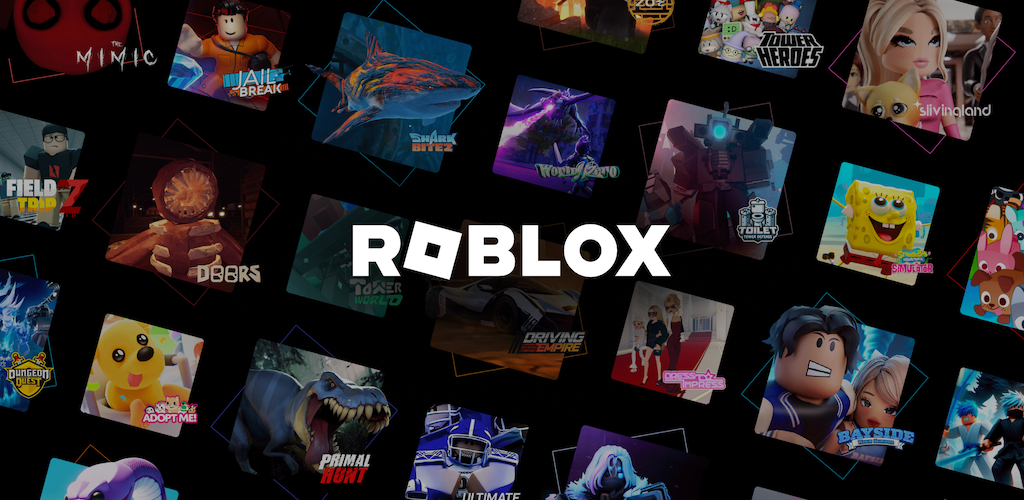
Over 80 million daily active users log into Roblox, making it one of the most influential digital spaces for young creators today. What started as a simple game platform has evolved into a cultural phenomenon where Gen Z doesn’t just play—they build, design, and monetize their own virtual worlds. The platform’s economy mirrors real-world entrepreneurship, with the Roblox marketplace serving as a bustling hub where players trade items, accessories, and in-game currency that fuel their creative projects.
The creator economy within Roblox has spawned an entire generation of young developers and designers who are learning valuable skills while having fun. Young users are diving into game design, 3D modeling, and even basic coding through Roblox Studio, the platform’s free development tool. The marketplace has become central to this ecosystem, allowing creators to monetize their work and players to personalize their avatars in millions of unique ways.
What makes Roblox different from traditional gaming platforms is its emphasis on user-generated content. Every experience on the platform is created by its community, resulting in an endless variety of games, virtual hangout spaces, and interactive worlds. The trading and exchange systems encourage economic literacy, teaching players about value, scarcity, and digital commerce in ways that feel natural and engaging.
The platform has become a legitimate social space for Gen Z. Friends gather in virtual concert venues, attend fashion shows, or simply hang out in custom-designed worlds. These aren’t just games—they’re social experiences that reflect real cultural trends and youth interests. From music festivals featuring real artists to brand activations from major companies, Roblox has proven itself as a genuine cultural force.
The creative tools available to users have lowered the barrier to entry for game development. Teenagers are launching successful games that attract millions of players, some even earning substantial income through the platform’s monetization system. This has created a new generation of young entrepreneurs who understand digital products, user engagement, and community building before they even graduate high school.
Fashion and self-expression have become massive parts of Roblox culture. Players spend hours customizing their avatars, mixing and matching items to create unique looks that reflect their personalities. Virtual fashion has become so popular that real-world fashion brands now create Roblox collections, recognizing the platform’s influence on youth culture and style trends.
Education has found an unexpected home on Roblox too. Teachers and institutions have created experiences that teach everything from history to physics through interactive gameplay. Students who might struggle with traditional learning methods often thrive in these immersive, game-based environments where learning feels like play.
The platform’s influence extends beyond the screen. Roblox has created its own language, memes, and cultural references that Gen Z shares across social media. The experiences and friendships formed in these virtual spaces are just as meaningful to young people as their offline relationships. For parents trying to understand their kids’ digital lives, Roblox represents a space where creativity, social connection, and learning intersect in ways previous generations never experienced.
As Gen Z continues to shape digital culture, Roblox stands as a blueprint for what young people want from online spaces: freedom to create, opportunities to connect, and tools to express themselves authentically.

