

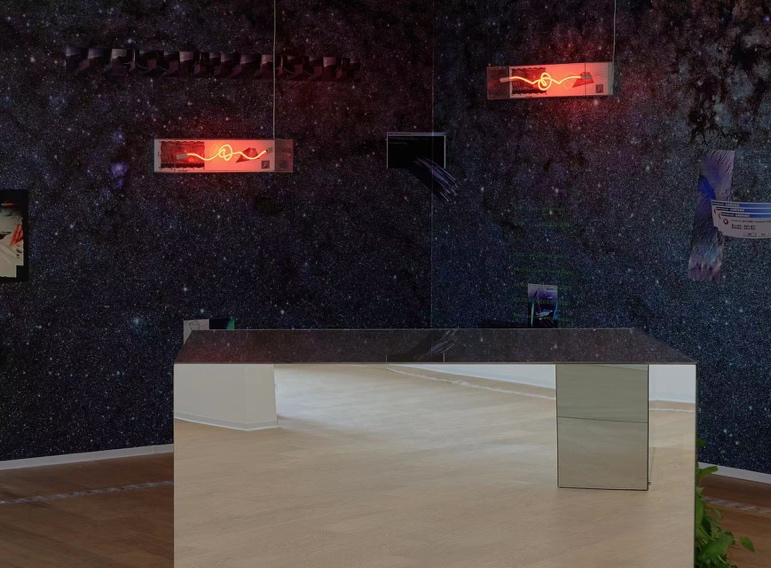
The contemporary art world has perfected a particular kind of hospitality. The doors are open, most exhibitions are free, and the woman at the front desk smiles and hands you a press release. And yet, the moment you step into a room with artworks, you are no longer sure this is where you are supposed to be. The white walls and polished floors seem to expect something from you. You look at the room, then at your clothes. How should I behave? Do I know enough to be here? What should I feel, and how should I respond?
For many people, this discomfort is reason enough to stay away. For others, it shapes how they move through the space and how much of themselves they want to bring with them. Instead of engaging with the artwork, they become aware of their own body, their behaviour, and whether they are taking up space in the right way.
This is the space Erika Song works in and pushes against. Her curatorial practice begins with a recognition of how alienating exhibitions can be. She does not try to smooth that tension away or pretend it isn’t there. Instead, she works within it. Song doesn’t promise that the art you encounter will be easy or immediately legible. In her curatorial practice, she asks more challenging questions: What if understanding isn’t the point? What if an exhibition can reach you in a way that words can’t? In her work, atmosphere matters more than answers.
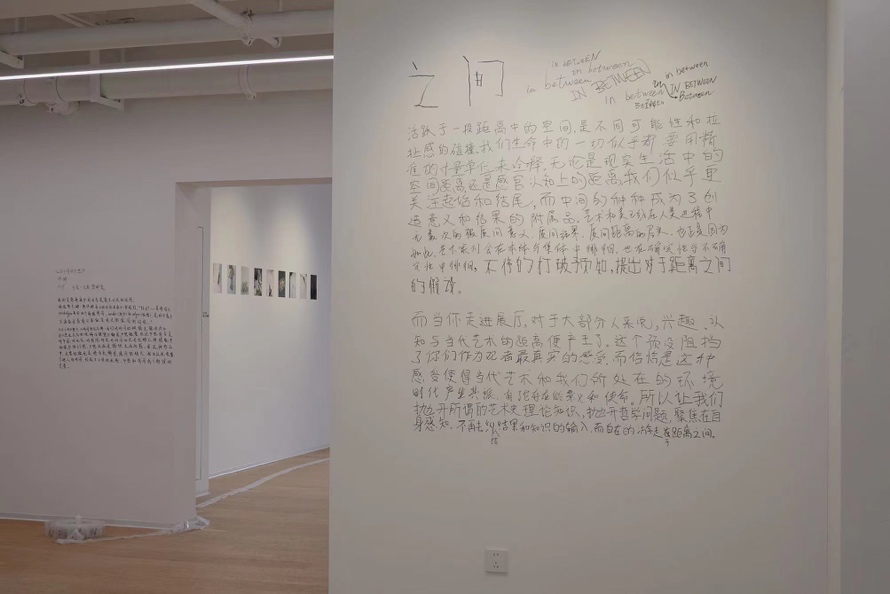
For her, the white cube isn’t a neutral space. She speaks openly about how bare walls, cold artificial light, and the absence of furniture can make art feel distant and harder to connect with. Rather than rejecting this format entirely, she chooses to work within it, adding small interventions that might go unnoticed until someone points them out. For In Between (2023), she invited friends to handwrite the wall text. It was a way to bring them into the process and make their presence felt. She also placed snacks from her childhood near the entrance, small reminders of laughter and carelessness. These gestures are subtle, even vulnerable, but the moment she breaks the barrier between the sterile gallery and elements of everyday life is exactly where her curatorial strength emerges.
This approach continued in her 2024 London exhibition, Ephemeral Radicals, which explored what radicality might look like beyond noise or spectacle. Here too, it wasn’t
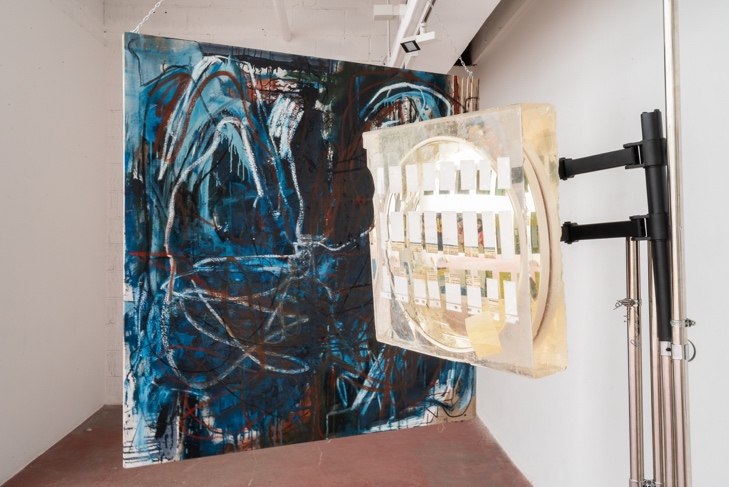
something to be consumed or performed, but something slow, grounded, and embedded in everyday experience. The exhibition design, pacing, and structure weren’t just background but a part of the conversation, as integral as the artworks themselves.
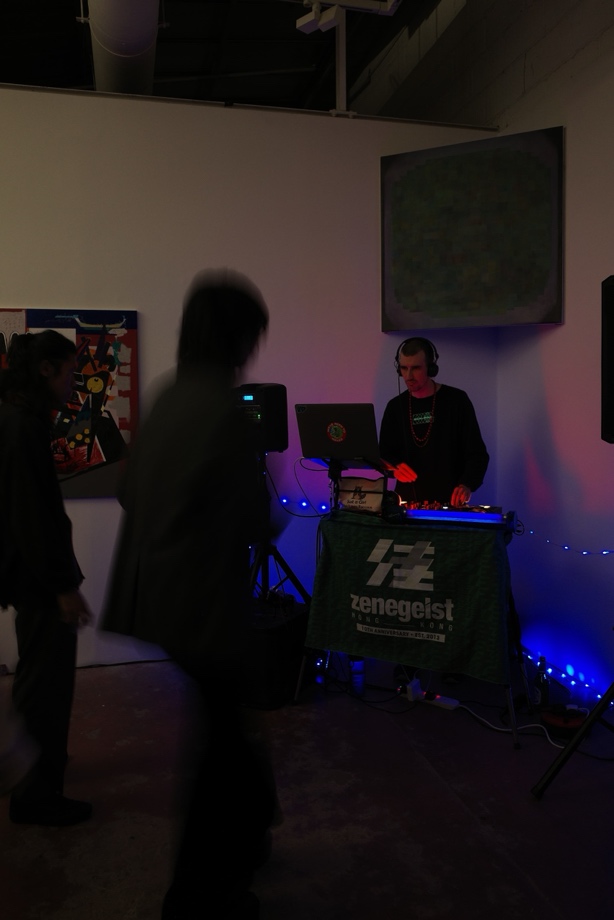
Her commitment to making space for what often sits at the margins extends beyond audiences. It includes the art forms themselves. In 2025, she organised the ESEA Performance and Sound Art Festival in London, placing sound and performance at the forefront. These mediums are often treated as afterthoughts in galleries, allowed to appear briefly while paintings and sculptures remain for the whole duration of an exhibition. By choosing a festival format, she created a structure where they weren’t supporting elements. They were the centre. Audiences weren’t just invited to watch but asked to stay, to listen, to give time.
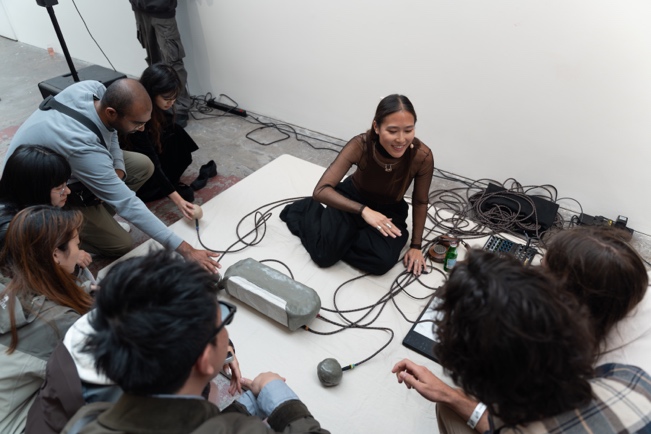
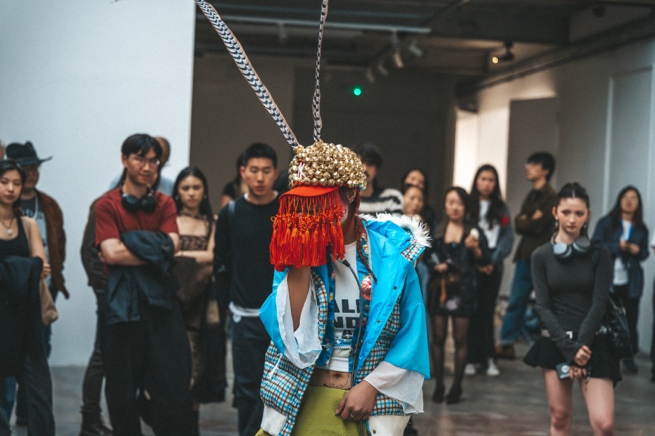
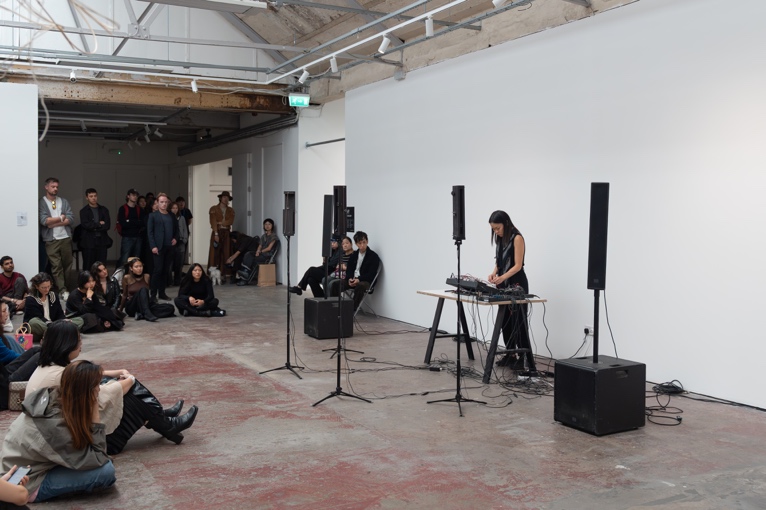
Along with these projects, a clear pattern emerges. Erika Song doesn’t want to tell viewers how to look at art. Instead, she aims to close the gap between the space, the artwork, and the audience. Her practice suggests that a sense of belonging doesn’t come from knowing the right references or interpreting the work the “correct” way. It comes from care. It’s clear that she wants to create environments that let people focus on the art rather than on how they’re being perceived. That allows them to experience art on their own terms, without the pressure to get it right.

