

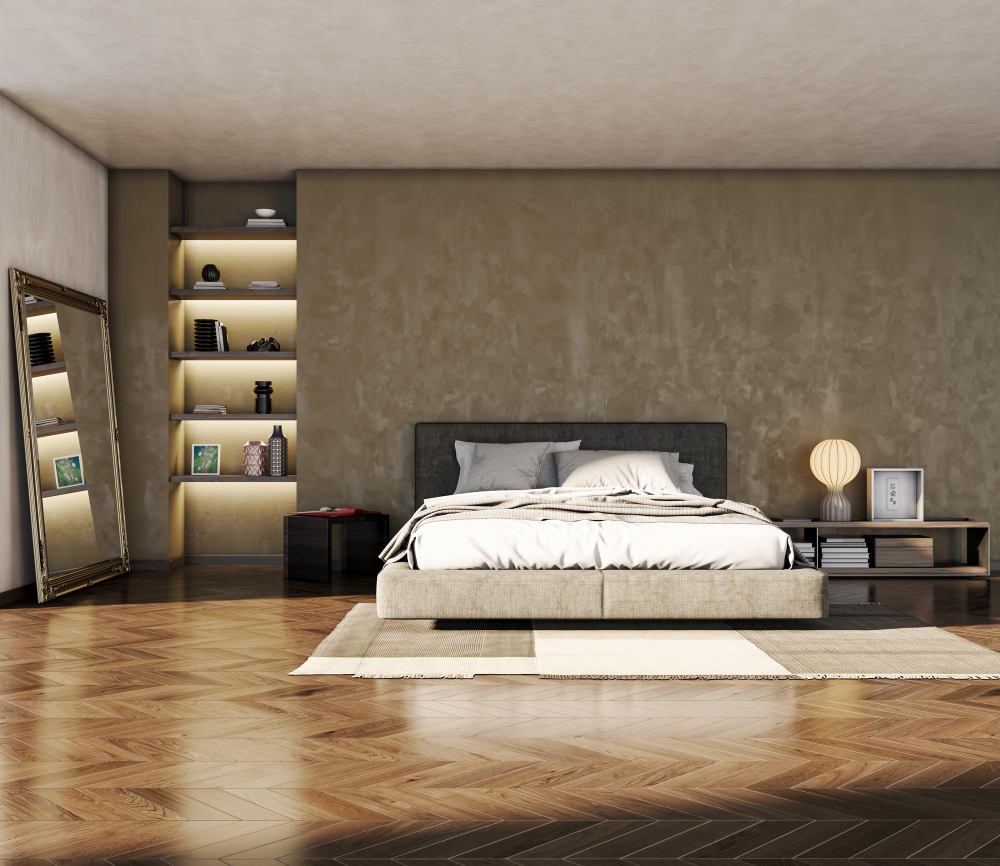
Morning light behaves differently on a dark floor than it does on pale timber. It sharpens edges, pulls shadows forward, and gives furniture a clearer outline across the room. Many British flats and renovated terraces use this contrast to bring order to busy interiors.
Design magazines and gallery spaces have leaned toward darker surfaces for similar reasons. They frame artwork, textiles, and movement without competing for attention. In residential settings, dark hardwood flooring often plays that same quiet role, grounding a room while letting other choices speak.
Why Dark Floors Keep Returning To Style
Dark wood floors appear across design history in cycles rather than straight lines. Georgian townhouses used deep stained boards to hide soot and wear from coal fires. Mid century homes brought them back as a counterpoint to lighter walls and modern furniture.
Today’s return reflects both taste and practicality. Dark finishes show fewer small stains from daily use, which matters in shared living spaces. They also pair easily with older architectural features, including fireplaces, ceiling roses, and heavy skirting boards.
Cultural shifts also influence these choices. As homes double as workspaces, people look for interiors that feel calm and structured. Dark floors help separate functional zones visually, even in open plan rooms with limited square footage.
Material Choices And What They Mean In Practice
Not all dark floors behave the same once installed. Solid hardwood reacts more strongly to humidity changes, which matters in older British buildings without modern insulation. Engineered boards reduce that movement by layering wood with stable backing.
Finish matters as much as species. Matte and satin coatings soften reflections, making rooms feel steadier under changing daylight. High gloss finishes highlight texture and grain, which suits formal spaces but can show wear faster.
Wood hardness also affects longevity. Oak and walnut handle foot traffic better than softer species, especially in hallways. The United States Forest Service maintains a public wood hardness scale that helps explain why certain timbers age more predictably than others.
How Dark Flooring Shapes Room Perception
Dark floors change how people read space, often in subtle ways. They pull visual weight downward, which can make ceilings feel taller. This effect works well in compact flats with standard ceiling heights.
Furniture placement becomes more deliberate with darker surfaces. Light toned sofas and tables stand out clearly, reducing visual clutter. Even small items, like side tables or rugs, feel more intentional against a darker base.
Lighting choices also shift in response. Warm bulbs soften contrast and reduce harsh shadows at night. Daylight, especially from north facing windows, benefits from reflective wall finishes to balance the darker floor below.
Care, Aging, And Long Term Appearance
Many people worry that dark floors show damage more easily. In practice, fine scratches appear less obvious on textured or wire brushed surfaces. Smooth, uniform finishes reveal wear sooner, especially in narrow walkways.
Regular maintenance keeps appearance steady without heavy effort. Simple routines matter most, including dry sweeping and damp mopping with wood safe products. Excess water remains the main cause of long term damage in any wood floor.
Indoor air quality also plays a role in aging. Stable humidity levels reduce expansion and contraction, which protects joints and finishes. The United States Environmental Protection Agency offers clear guidance on maintaining indoor moisture levels that support wood surfaces.
Where Dark Floors Work Best And Where They Struggle
Dark flooring suits many spaces, but context matters. Rooms with good natural light handle deep tones more easily. Basements or narrow corridors may feel heavy without added lighting or lighter wall finishes.
Common successful placements include:
- Living rooms with large windows and simple furniture
- Dining areas where contrast adds formality
- Bedrooms paired with pale bedding and soft textures
Kitchens and bathrooms need extra care. Moisture control and proper sealing become essential in these areas. When planned carefully, dark floors can still work, but they demand closer attention than lighter alternatives.
Dark floors succeed when treated as a foundation, not a feature. They support the room’s function and mood without drawing focus away from daily life.
How Dark Floors Affect Colour, Art, And Photography
A dark floor changes how colour reads on camera and in real life. White walls can look cooler, since the floor absorbs warmth from daylight. If you shoot photos at home, lock white balance and compare results at different hours.
Art placement also feels clearer with darker boards underfoot. Light frames and pale mounts stand out, which helps prints feel deliberate. If your walls are busy, keep the floor finish quiet so the room still rests.
Textiles, Rugs, And Sound On Dark Timber
Dark boards look sharper with fabric nearby, since texture softens hard lines. A wool rug adds warmth underfoot and reduces footfall noise in flats. Choose a rug large enough for front sofa legs, so it anchors seating.
Pile height matters more than pattern in small rooms. Low pile rugs show fewer dents and suit dining chairs that slide often. If you love bold textiles, keep the rug base calm and let cushions carry colour.
Finish Sheen, Plank Details, And Daily Wear
Sheen controls glare, which affects both mood and visible marks. Matte hides small scratches better, while satin gives a gentle lift in dim rooms. Gloss can look formal, yet it shows dust and fine scuffs sooner.
Use these quick checks before you decide on finish and profile:
- Pick matte for busy hallways, since it keeps reflections and wear from drawing attention.
- Pick satin for living rooms, since it balances depth and light without looking shiny.
- Choose micro bevel edges if you want seams to mask tiny changes over seasons.
Board width also shifts the look, even with the same stain. Wide planks feel calmer, though they can show movement more clearly. Narrow boards feel classic and suit older homes with smaller room proportions.
A Calm Way To Decide If Dark Floors Fit
Start by testing light, not trends, because daylight sets the tone every single day. Place sample boards near windows, then check them morning, noon, and evening. Notice how the floor interacts with your wall colour and your main furniture.
Next, plan for real use, including shoes, pets, and chair legs that drag. Pick a finish and texture that hides small marks, since wear happens in the same paths. If the room still feels balanced with those choices, the dark tone will age well.

