Musical telenovela The Queen of Flow is back on Netflix following a long hiatus. Season 3, currently rolling out, premiered in January 2026 after almost five years. Thankfully, fans seem to have stuck around.
The Colombian production is among the most-watched non-English shows on the platform, with 2.5 million views this week. Moreover, it’s the #1 show in four countries where Netflix is available. Does that mean it might go on for years to come?
The Queen of Flow Season 4 Release Date
At the time of writing, there’s no official news about a potential The Queen of Flow season 4. That said, this is a telenovela, and only 19 episodes of the new installment are out so far. If the Netflix list is accurate, season 3 will consist of 65 episodes.
Bottom line? A follow-up will likely depend on whether viewers keep tuning in. Hopefully, the wait between seasons will be shorter this time around.
The Queen of Flow Cast
Carolina Ramírez as Yeimy Montoya
Carlos Torres as Carlos “Charly Flow” Cruz
Juan Manuel Restrepo as Erik Mateo “Pez Koi” Cruz Montoya
Adriana Arango as Ligia de Cruz
Marcos “Kiño” Carreño as Axel
Mariana Gomez as Irma “El Huracán” Serna Suárez
What Is The Queen of Flow About?
The musical telenovela follows Yeimy Montoya, a talented songwriter whose life is shattered by injustice. As a teenager, Yeimy falls in love with aspiring artist Charly Cruz, but he steals her songs and frames her for drug trafficking.
While Yeimy is wrongfully imprisoned in the United States for nearly two decades, Charly rises to fame by passing her music off as his own. After getting out, Yeimy returns with one overriding mission: to reclaim her music. Is she could also get revenge, that would definitely be a plus. Gear up for unexpected twists and surprise alliances, all set to a soundtrack of infectious reggaeton beats.
As season 3 kicks off, Yeimy and Charly are married with a daughter and have successful careers. Unfortunately, their bliss is cut short when Yeimy’s plane crashes in a remote jungle, and she vanishes without a trace. Her disappearance throws the music world into chaos.
While it’s too early to speculate about what might happen in The Queen of Flow season 4, the current installment has already delivered enough tension to keep fans coming back for more. We’re guessing additional juicy revelations will see the light of day before the final end credits roll.
A new Jessie Ware album is on the way. After returning with the single ‘I Could Get Used to This’, her first solo track since 2023, the British singer-songwriter has announced that the follow-up to That! Feels! Good! is called Superbloom. It’s out April 10 via Island EMI. Here’s everything we know so far.
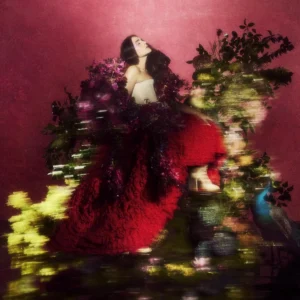
What does the album cover look like?
What has Ware said about the new album?
Along with the album’s formal announcement, Ware shared the following press statement: “Since What’s Your Pleasure? I’ve been trying out this fantasy world and escapism. I’m not the most by-the-book ‘pop star’, but I do like to play with dress-up, glamour, and fun. While I love dance music, I wanted to dig deeper with this record; to connect with real relationships and appreciate the love I have, and the fears I have of losing it.”
Promoting the release of ‘I Could Get Used to This’, she talked about her sixth album in an interview with Vogue. Ware described the record as “really soulful,” noting that she drew inspiration from My Secret Garden, Nancy Friday’s 1973 compendium of women’s sexual desires and fantasies, and Gillian Anderson’s 2024 book Want. “[The album is] enchanting, it’s romantic, it’s sexual, it’s confident, it’s celestial…” she added. “It’s playing with the idea of supernatural and fecundity and growing and learning and feeling strong.”
She also said she was curious about revisiting some of the thematic and sonic threads of her earlier music, particularly the neo-soul of 2012’s Devotion. “I think I wanted to go back to that era, but with so much more hindsight and confidence,” she said.
Ware used her press statement for the single to paint a picture of the LP. “’I Could Get Used to This’ is an invitation into the world of this album,” she said. “I wanted to set the scene of the world that I’m trying to paint in the album; romance, real love, performance, celebration and pleasure (always!) in a garden full of gods and goddesses. I wrote this song with Miranda Cooper, Sophia Brenan and Jon Shave who are legends in British pop music. I’ve always admired Miranda’s work so I’m incredibly glad to have a record with her. First key change I’ve ever done – I think – and exciting start to you hearing more from my work with Jon Shave and Barney Lister amongst the other fantastic collaborators on this project.”
Who did she record the album with?
Since October 2025, when she confirmed the album was written and recorded, Ware has been posting photos and clips from the studio. From those we know that, apart from Jon Shave and Barney Lister, one other collaborator on the project is James Ford, who co-produced That! Feels Good!.
What about the album’s visual identity?
The music video for ‘I Could Get Used to This’, our first glimpse into the visual world of Ware’s upcoming album, is quite a feast. Steeped in regal glamor, the video sees her transforming the stage into a secret garden. In the Vogue piece, she explained that she wanted to embody the ancient Roman goddess Juno, “the goddess of women, of childbirth, of fertility, queen of the heavens—hence the pomegranates, and the peacocks in the artwork,” while giving it a modern twist.
Has Jessie Ware shared any other singles from the record?
Ware followed up ‘I Could Get Used to This’, which we named one of the best songs of January, with ‘Ride’ the next month. On March 26, she shared ‘Automatic’, which features a spoken word intro from Colman Domingo.
King Tuff has announced a new album called MOO. The follow-up to 2023’s Smalltown Stardust is set to land on March 27 through Kyle Thomas’ own MUP Records, via Thirty Tigers. Check out the frenzied, rollicking lead single ‘Twisted on a Train’ below.
Commenting on the track, Thomas said: “I wrote and recorded the whole dang song in the span of a few hours, which was basically the opposite of how I had been working in the computer. Spending hours moving waveforms around like a zombie, comping vocals, second guessing, trying to make things sound not lifeless, trying to make anything sound good at all, took months. But here on the tape it was so much more alive. More like painting or collaging. More like making actual music. Every move I made stuck like super glue. It was effortless. It was pure joy.”
Thomas made the new LP after moving Vermont, using the same tape machine, a Tascam 388, that he used to record his debut album, King Tuff Was Dead. He also made a physical newspaper that accompanies every copy of the album, The Daily Moo. “I stopped caring if there were mistakes,” he said. “There’s not enough mistakes. I wish it sounded even worse. Rock & Roll is the music of rodents and bugs. It should sound like it crept from a decrepit trashcan or a crypt or a toilet. It is not chill or vibey, autotuned or on the grid. It is not perfect, which is why it’s perfect. And I don’t care if it’s dead or alive, cool or uncool: when I hear it, and when I play it, as a chubby and balding 43 year old punk weirdo, I FEEL ENERGIZED.”
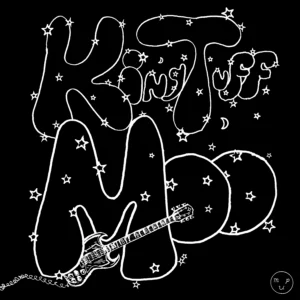
MOO Cover Artwork:
MOO Tracklist:
1. Twisted on a Train
2. Stairway to Nowhere
3. Invisible Ink
4. Landline
5. Crosseyed Critters
6. Oil Change
7. East of Ordinary
8. Unglued
9. Delusions
10. Backroads
Alpha Males is back with season 4, now trending on Netflix. Amassing 2.6 million views this week, the Spanish production is the fourth most-watched non-English show on the platform. It also made the charts in 21 countries. In other words, its popularity is undeniable.
That said, this installment is shorter than its predecessors at only six episodes, making it a very quick watch. Could a part two or a sequel be on the way?
Alpha Males Season 5 Release Date
Netflix has confirmed that Alpha Males season 5 is happening, so you can breathe easy. The show will keep exploring the many facets of modern masculinity for a while longer.
Based on the show’s previous release schedule, the new installment should arrive in early 2027. However, Netflix listed the upcoming season among titles set to drop in 2026. While there’s no official premiere date yet, you might be reunited with the boys sooner than expected. Perhaps sometime around the fall?
Alpha Males Cast
Gorka Otxoa as Santi
Fele Martínez as Luis Bravo
Fernando Gil as Pedro Aguilar
Raúl Tejón as Raúl Camacho
Paula Gallego as Álex
Raquel Guerrero as Esther
María Hervás as Daniela Galván
Kira Miró as Luz
What Could Happen in Alpha Males Season 5?
The Spanish comedy series follows four friends in their forties navigating modern life in a time when traditional ideas about masculinity and gender roles shift.
The core group confronts midlife crises, insecurities, and societal expectations in funny and often revealing ways. It’s a healthy serving of friendship with a dose of life observations on the side.
Across the seasons, laughs and cringe-worthy moments collide as the friends deal with everything from unemployment to relationship troubles. In season 4, the group decides to rent an apartment together as a way to support each other through the ongoing awkwardness of trying to define themselves in middle age. They also take a trip to Punta Cana, where personal conflicts reach breaking points.
Without spoiling anything, many of the characters arcs remain open as the six episodes come to a close. Alpha Males season 5 will likely pick up from there and continue to track the friends’ growth as they move forward.
No Tail to Tell, which follows a nine-tailed fox and a star soccer player caught in a love-hate dynamic, has the kind of premise that’s tough to resist. If you’re into South Korean romances, even more so.
The series premiered on Netflix in mid-January and is slowly but surely gaining popularity. With 2.1 million views in the last week, it’s currently a top 10 show in 18 countries. Does that mean a follow-up might be on the way?
No Tail to Tell Season 2 Release Date
At the time of writing, there’s no news about a potential No Tail to Tell season 2. The title is listed as a limited series on Netflix, and K-dramas tend to be a one-and-done affair. In other words, it doesn’t look promising.
That said, episodes are still rolling out weekly, with the finale scheduled for late February. If the show becomes a global phenomenon, you never know.
No Tail to Tell Cast
Kim Hye-yoon as Eun-ho / Kim Ok-soon
Lomon as Kang Si-yeol
Lee Si-woo as Geum-ho
Kim Tae-woo as Jang Do-cheol
Choi Seung-yoon as Lee Yoon
Joo Jin-mo as Pagun
What Is No Tail to Tell About?
No Tail to Tell blends mythology and love in whimsical ways, appealing to viewers to crave an extra dose of magic during this gloomy time of year.
The story revolves around Eun-ho, a mythical nine-tailed fox spirit from Korean folklore who has spent centuries living among humans while deliberately avoiding becoming one herself. She values her immortality and tends to steer clear of emotional attachments.
However, her carefully maintained existence unravels after a fateful encounter with soccer player Kang Si-yeol. A strange accident binds their fates, and Eun-ho suddenly loses her supernatural powers.
Forced to navigate human life, Eun-ho must confront everything she has long avoided. Maybe Si-yeol can help her change for the better?
While No Tail to Tell season 2 is unlikely, the series promises to deliver a mix of fantasy and humour, with enough romance to keep viewers hooked. Buckle up for an enchanting ride. Double episodes arrive weekly on Netflix.
If you’ve been upgrading the Farmer’s Workbench in Hytale, you’ll eventually find yourself needing Goldenwood logs. The Farmer’s Workbench is used to craft farming tools, planters, seeds, and saplings, as well as to turn crops into Essence of Life, which unlocks higher-tier farming recipes. Goldenwood is required to upgrade the Farmer’s Workbench to Tier 8 in Hytale, and you won’t get it by chopping down random trees. It only comes from a specific, rare tree called the Sallow Tree, which doesn’t appear in the early zones and can be easy to miss even after you reach the right region. So before you head off exploring at random, here’s where you can find the Sallow Tree and Goldenwood in Hytale.
Hytale: Where to Find the Sallow Tree for Goldenwood
As mentioned earlier, Goldenwood is one of the materials you’ll need for Farmer’s Workbench upgrades, and in Hytale, it can only be obtained from the Sallow Tree. To find the Sallow Tree in Hytale, head north into the Devastated Lands in Zone 4. Just keep moving north from your starting area until the terrain turns volcanic and the map changes to dark grey.
Once you reach the Devastated Lands, look for smaller patches where the ground changes from dark grey to a pale green or yellow-brown. Those patches are the only places where Sallow Trees will spawn. Sallow Trees are tall, willow-like trees with drooping canopies and light brown wood, and they rarely appear in large numbers, which makes them easy to miss.
Moreover, do not confuse Sallow Trees with the yellow mushroom trees found in the same area. Sallow Trees are greener and less yellow overall. Once you find a Sallow Tree, simply chop it down with an axe and it will drop Goldenwood logs. Even though Sallow Trees are rare, each one drops a lot of Goldenwood logs, so a single tree will usually give you most or all of what you need.
The film industry is much more than who we see on the silver screens. One of the behind the scenes maestros on the pulse of the film industry Yaxing Lin is an award-winning director and producer based in Los Angeles.
Her directing and producing credits include films focusing on marginalized groups and topics including “Playground,” “After Sunset Dawn Arrives,” and “The Things We Keep.” These films and others have been selected for the Sundance Film Festival, Outfest Film Festival and has been recognized with nominations and awards from the Sundance Film Festival, the Athens International Film + Video Festival, the Outfest Film Festival, the Seattle Asian American Film Festival, among others.
Lin speaks about her process as a producer, working on storytelling around marginalized communities and using “cinema as a space for reflection, rather than spectacle.”
What is the process like, as a producer, working on high profile short films?
Yaxing Lin: As a producer, the process begins long before a project enters production, and for me, selection is one of the most important decisions. Not every film will travel widely, and that’s okay. I’m drawn to projects based on personal alignment rather than surface-level appeal—stories centered on marginalized communities, women’s experiences, or voices that are often overlooked. I prioritize strong storytelling and artistic intention over novelty or spectacle. A clear, honest story is always more durable than a temporary hook.
In pre-production, my role is deeply collaborative. I spend a lot of time in creative development with the director, asking questions, stress-testing ideas, and helping clarify the voice of the film. I enjoy building teams during this stage—bringing together collaborators who not only have technical skill but also share a commitment to the story. Research is often part of that process. For “After Sunset, Dawn Arrives” (2022), we interviewed and worked closely with LGBTQ+ actors to ensure authenticity. For “Playground” (2024), I spoke with real sex workers in China and invited them into the filmmaking process, which informed both the tone and the emotional grounding of the film.
Financing is one of the most challenging aspects of independent production. Most of the films I’ve worked on relied on a combination of grants and crowdfunding. That requires strategic planning, transparency, and persistence. As a producer, it’s my responsibility to align the budget with the creative goals while protecting the sustainability of the project and the team.
Production itself is often intense—short schedules, limited resources, and high emotional investment. Producers become leaders, problem-solvers, and supporters all at once. Despite the pressure, these periods often become some of my strongest memories because of the relationships formed on set.
In post-production, I continue to provide creative input while helping shape a realistic festival and distribution strategy. For many independent films, we self-distribute, which means planning festival submissions and outreach ourselves. That stage feels like a harvest—seeing films travel to festivals we once only imagined attending and finding their audiences after a long, collective effort.
The film follows Wan as he navigates what Huck magazine called “queer utopia.” Is the conversations around LGBT Asian identity something overlooked?
“After Sunset, Dawn Arrives” tells the story of Wan, a Chinese man in his sixties who, after the death of his wife, begins to confront and explore his sexuality for the first time. I believe the film resonated with audiences because it centers on a form of courage that is rarely portrayed on screen—the decision to face one’s suppressed identity later in life, after decades shaped by cultural expectations and silence.
What moved many viewers was not just Wan’s sexuality, but his willingness to choose honesty at an age when society often assumes personal change has already passed. His journey reframes self-acceptance as something quiet and deliberate rather than dramatic. That emotional restraint allowed the story to connect across generations and cultures.
“After Sunset, Dawn Arrives” received significant recognition on the international festival circuit, including First Prize for Narrative Short at the 50th Athens International Film + Video Festival. The film also earned multiple juried and audience honors, including awards from the DGA and the Fargo-Moorhead LGBT Film Festival. It screened at major international festivals such as Outfest Film Festival, BFI Flare, and the Boston Asian American Film Festival, where it sparked sustained conversations around aging, desire, and LGBTQ+ representation within Asian communities. Following its festival run, the film reached broader audiences through streaming platforms including Amazon Prime Video, extending its impact beyond the festival circuit.
What is key when working with a director, as a producer?
For me, the most important part of working with a director as a producer is trust, built through a clear understanding of their creative vision. That means understanding the story they are trying to tell, the emotional core of the project, and the aesthetic language they want to use. A producer’s role is not to impose a vision, but to support it by assembling the right resources—casting, crew, locations, and schedule—within the realities of budget and time.
Equally important is logistics. Creative ideas only matter if they can be executed. A well-organized production structure allows directors to focus on storytelling rather than problem-solving. I spend a lot of time in pre-production making sure workflows are clear, communication is efficient, and expectations are aligned across departments, so that the set can function smoothly.
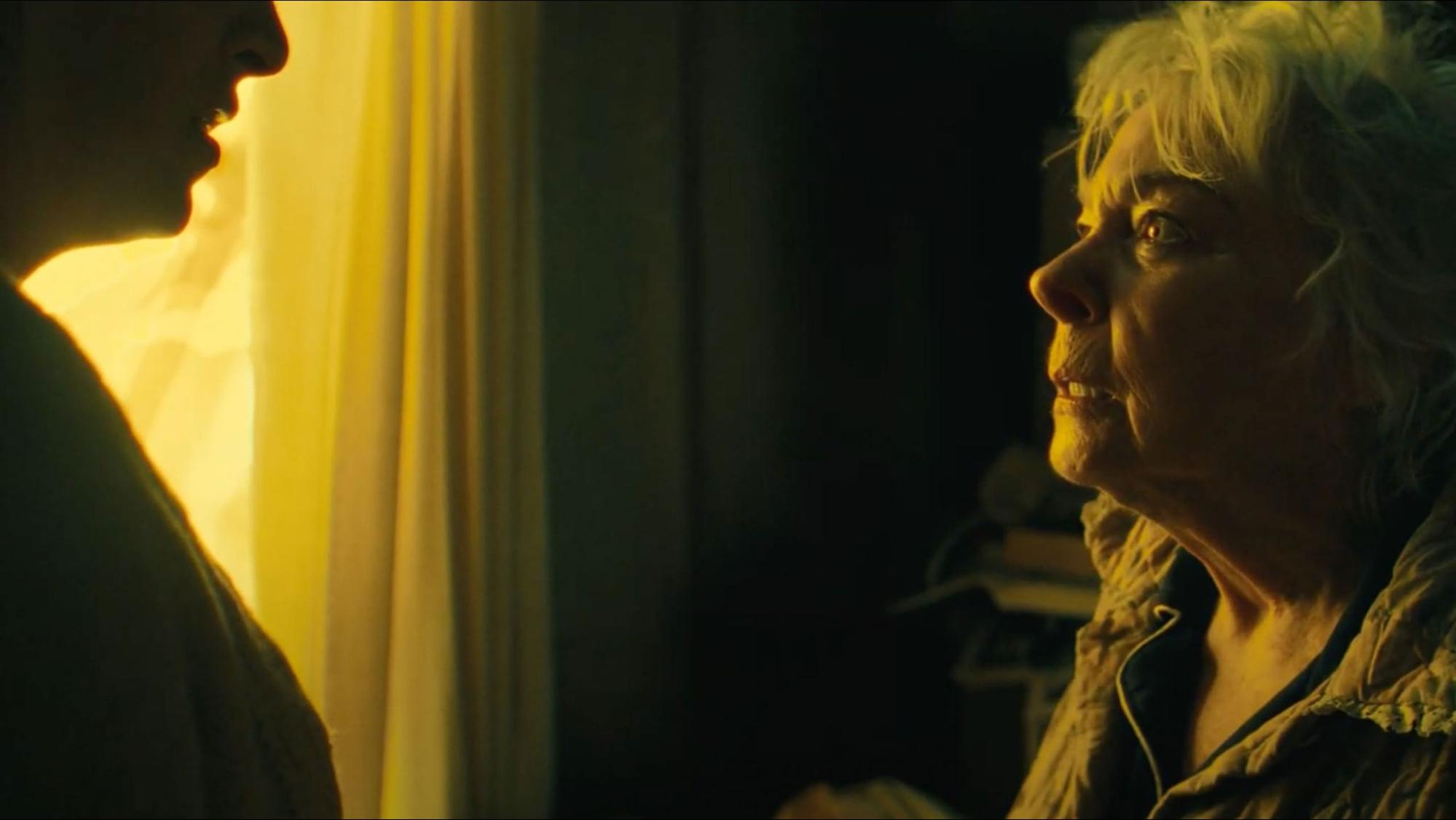
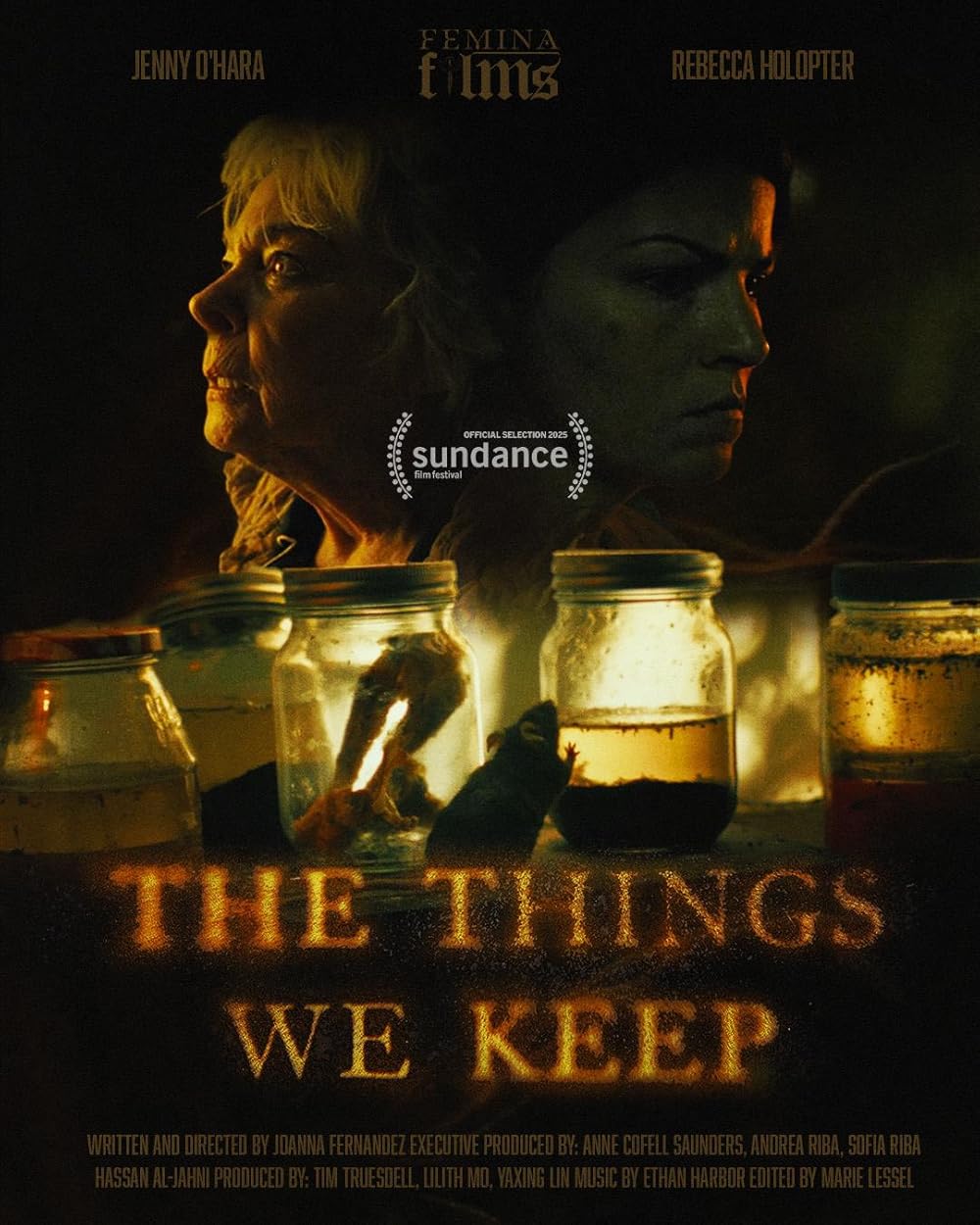
“The Things We Keep” (2025) is a horror film that ties into a family’s legacy in a home, it also shows how hoarding and trauma intersect. What went into production?
I chose to produce “The Things We Keep” because I was deeply moved by director Joanna Fernandez’s personal connection to the story. The film is rooted in her family history, particularly her relationship with her mother and the intergenerational trauma shaped by abuse, neurological illness, and memory loss. What resonated with me was how the script treated hoarding not as spectacle, but as a manifestation of inherited trauma and unresolved violence. Many people are unaware that hoarding is a mental health condition, and the story offered a rare opportunity to approach that subject with empathy and restraint.
At the time, I had just finished producing and directing the film “Playground,” which also explores childhood trauma and family relationships. Joanna had seen that film, and we connected through a shared understanding of how personal history can inform storytelling. That trust became the foundation of our collaboration.
Creatively, one of the main challenges was balancing genre and psychology. We wanted the film to function as a compelling psychological horror while also prompting reflection on generational trauma and mental health. That approach contributed to the film’s strong reception, including selection at the Sundance Film Festival, Screamfest, and FilmQuest, along with coverage from Variety and other outlets. The film was also selected for Delta Air Lines’ in-flight entertainment, allowing it to reach a broad international audience beyond the festival circuit.
From a production standpoint, resources were limited, particularly for visual effects. We combined practical effects with restrained VFX and precise editing to achieve a grounded, cinematic look. Creating the hoarder’s environment was another major challenge. We built the entire space on stage, researching real hoarding cases and collecting props over several months to create an environment that felt authentic and lived-in.
The project reaffirmed my belief that genre films can engage wide audiences while still addressing difficult emotional and social realities with care and intention.
What is next for you?
In the near term, I’m focused on two projects that reflect the direction and social weight of my work. I’m producing a feature documentary “You Tell Me How To Live” that I have been following for over four years and that is now entering post-production. The film focuses on immigrant communities and people living at the margins of society, examining how structural pressures shape everyday decisions around survival, dignity, and loss. The long production timeline allowed the story to unfold naturally, capturing real changes in people’s lives rather than imposing a predetermined narrative.
At the same time, I’m developing a science-fiction feature film, “The Line of Akedia.” The film engages with contemporary conversations around artificial intelligence, but approaches the subject from a philosophical and emotional perspective rather than a technological one. It explores how memory, agency, and human connection are affected as decision-making becomes increasingly mediated by intelligent systems.
Together, these projects reflect my ongoing interest in stories that connect intimate human experience with broader social and technological questions, and that use cinema as a space for reflection, rather than spectacle.
Photos: Producer Yaxing Lin on the red carpet of the Sundance Film Festival, DGA Awards.
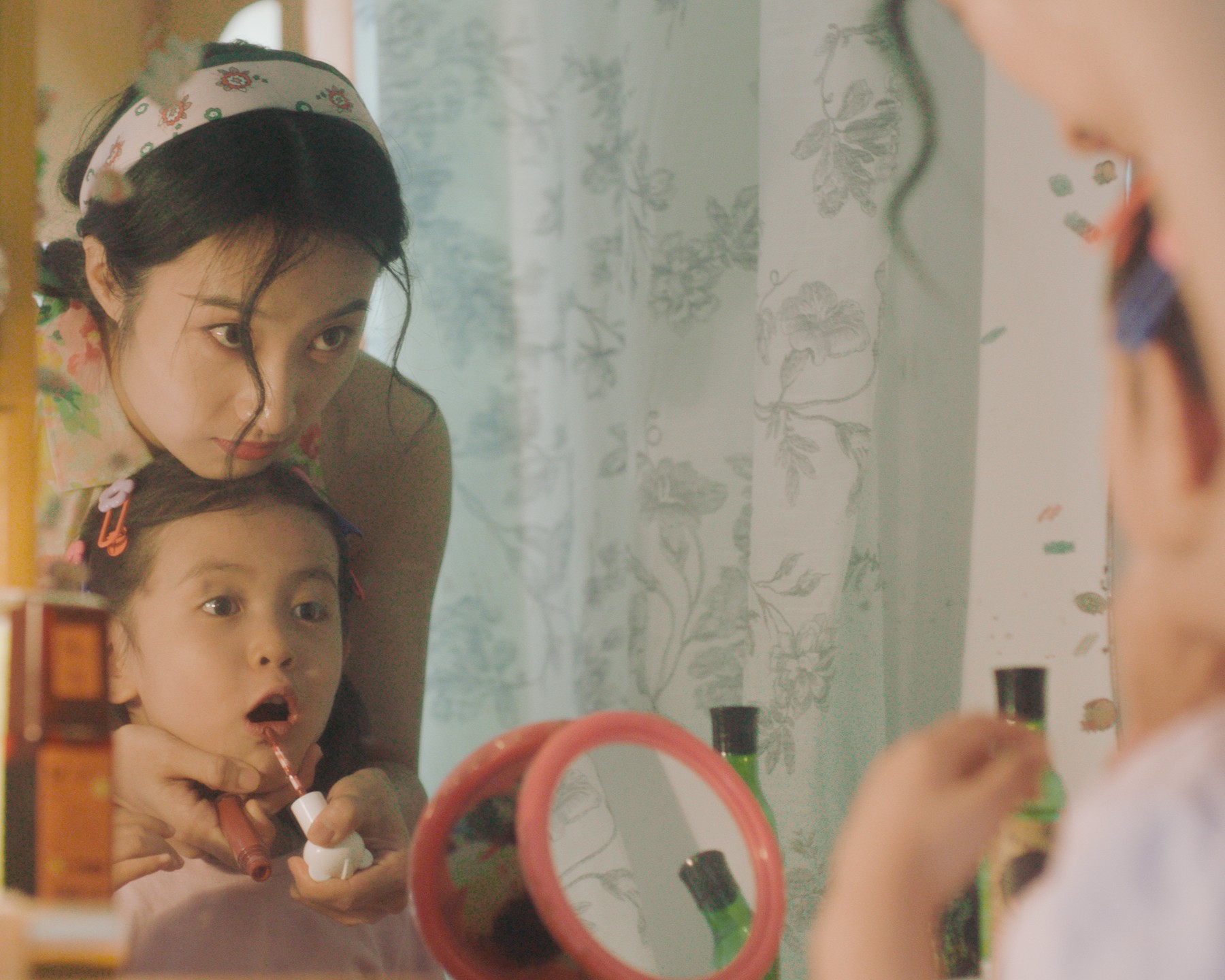
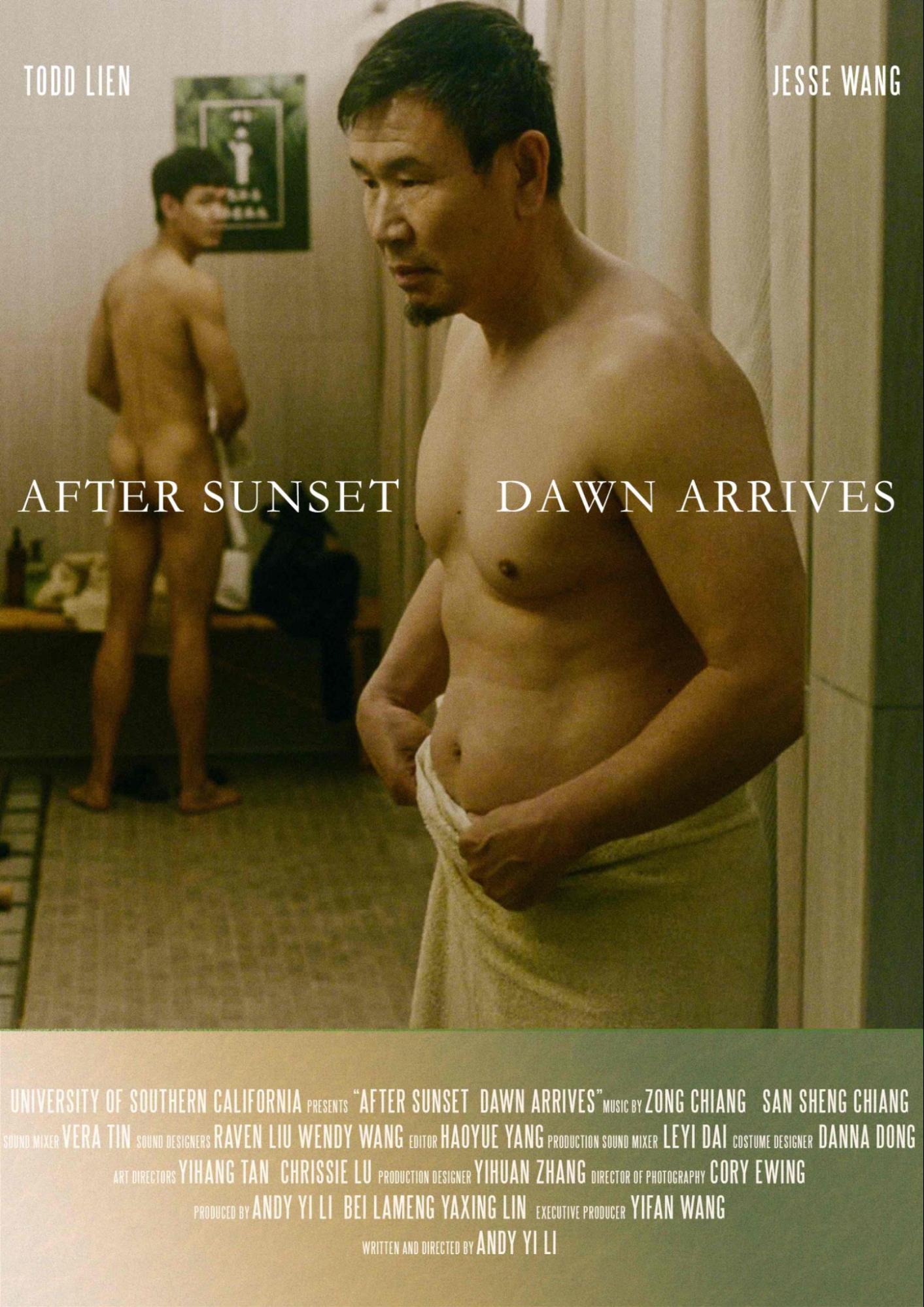
Behind-the-scenes photos and stills are from “Playground,” “The Things We Keep” and posters of “After Sunset, Dawn Arrives.” “The Things We Keep”
It’s a well-known fact in biohacking circles that TB-500 is best for healing and recovery, while epithalon works best for longevity. But when you go deep into their roles and benefits, it can be hard to figure out which peptide does what.
Do you need TB-500, epithalon only, or both? These distinctions matter more than it appears at face value. These two peptides operate on fundamentally different biological pathways, so a deep understanding of their effects and characteristics is a must for any serious biohacker to help you make smarter decisions about which peptide best fits your health goals.
TB-500 Targets Immediate Tissue Repair
TB-500 is a synthetic version of Thymosin Beta-4, a protein your body already produces naturally in higher concentrations during injury. When you introduce TB-500, you’re essentially amplifying your body’s existing repair signals. It promotes cell migration to injury sites, reduces inflammation, and supports new blood vessel formation, which are all critical processes when you’re dealing with acute tissue damage.
As you buy TB-500, keep in mind that peptide quality and purity are essential for research consistency and outcome reliability. When taken appropriately, TB-500 shines in scenarios where you need faster healing: muscle tears, tendon injuries, joint inflammation, or even post-surgical recovery.
Researchers have observed that TB-500 can help reduce scar tissue formation and improve the quality of healed tissue, which matters if you’re an athlete or someone dealing with chronic soft tissue problems[1].
When You’d Actually Use TB-500
You’d consider TB-500 when you have a specific problem that needs fixing. Maybe you pulled a hamstring that won’t fully heal. Maybe you’re recovering from rotator cuff surgery. Maybe you’ve developed chronic tendinitis that’s limiting your training or daily function.
The typical approach involves short-term cycles focused on the injury period and immediate recovery phase. In short, you use TB-500 as an intervention during a window when your body needs enhanced repair capacity. Think of it as targeted support rather than ongoing maintenance.
Epithalon Addresses Cellular Aging Mechanisms
Epithalon works through an entirely different mechanism. It influences the pineal gland to produce more melatonin and, more importantly, appears to activate telomerase, which is the enzyme responsible for maintaining telomere length. Telomeres are the protective caps on your chromosomes that naturally shorten as you age, and their length correlates with cellular aging and lifespan.
What makes epithalon interesting is that it’s not fixing something broken. It’s attempting to slow down or partially reverse the fundamental aging process at the cellular level. Researchers studying epithalon have observed improvements in markers associated with aging: better sleep regulation, normalized cortisol rhythms, and potential improvements in immune function.
The Long-Term Maintenance Approach
You’d use epithalon not because something hurts or needs immediate repair, but because you’re thinking about your healthspan over the next decade or two. People interested in epithalon are usually focused on preventive strategies: maintaining cellular function before significant decline occurs, supporting healthy aging patterns, or potentially extending the period of life where they remain functionally independent.
Getting epithalon for sale from a reliable supplier is more challenging due to specialized formulation requirements and limited distribution. Evolve Peptides offers epithalon at affordable prices, unlocking the many benefits of this important peptide for researchers.
Unlike TB-500’s targeted intervention model, epithalon gets used in periodic cycles over extended timeframes. Some people run short courses a few times per year. Others incorporate it into broader longevity protocols alongside NAD+ precursors, senolytics, or other compounds aimed at aging biology.
TB-500, Epithalon, or Both?
The biggest mistake people make is treating these peptides as interchangeable or assuming more is better. TB-500 won’t help your telomeres, and epithalon won’t speed up your Achilles tendon recovery.
If you’re dealing with an acute injury, inflammatory condition, or healing challenge, TB-500’s repair-focused mechanisms align with your immediate needs. If you’re thinking about biological aging, cellular maintenance, and long-term health optimization, epithalon’s effects on fundamental aging processes make more sense.
Can You Use Both?
Technically yes, especially if you’re an athlete or highly active person looking for long-term recovery gains. Someone recovering from surgery while also running an epithalon cycle for longevity purposes wouldn’t experience conflicts between the two as they’re working on different systems.
However, you want to think about whether you’re solving the right problems with the right tools rather than stacking compounds because they’re available. If you want to maximize recovery, for example, it makes more sense to take the Wolverine stack, which consists of TB-500 and BPC-157.
Choosing Between TB-500 and Epithalon
The difference between repair and aging interventions matters because your goals determine which peptide—if any—makes sense for you right now. TB-500 addresses what’s broken. Epithalon addresses what’s slowly declining.
Neither one is a magic solution, and both require realistic expectations about what peptides can and cannot do. But if you’re going to explore either option, at least now you know you’re not comparing apples to apples. It’s the difference between fixing your car after an accident and changing the oil at 100,000 miles — which one does your body need right now?
References
Cushman CJ, Ibrahim AF, Smith AD, Hernandez EJ, MacKay B, Zumwalt M. Local and Systemic Peptide Therapies for Soft Tissue Regeneration: A Narrative Review. Yale J Biol Med. 2024 Sep 30;97(3):399-413.
If it’s snowy outside, dress me in whatever it was the Caten brothers put on the Dsquared2 runway during Men’s Fashion Week in Milan. This co-ed AW26 collection reminded everyone of the brand’s freezing Canadian roots, its sexy mix-and-match tendencies, the upcoming winter Olympics, and… well, Ηeated Rivalry.
At Rubattino56, out where Milan starts to feel a little wild, models worked their way down the snowy stairs, backdrop and all, onto a runway that could’ve doubled as a ski slope. Guests were stuck behind a safety fence, watching Heated Rivalry star Hudson Williams, open the show while making his debut. If Dean and Dan are as good at reading a crowd as they are at designing clothes, they also know exactly what grabs attention on a screen.
Back to the designing part. Lately, Dsquared2’s superpower has been its knack for putting impossible pieces together and making them look hot. Thankfully, that’s exactly what happened. Someone online said it looked like the walk of shame after Après-Ski parties, and I think if the duo ever heard that, they’d happily take it as a compliment. The collection was named “Game On”, do with that what you will.
If you think winter is about sensible layers, think again. Oversized puffers arrived in their absolute biggest form, some in anything-goes palettes, others bedazzled enough to blind you. The ’70s popped up via Dsquared’s Carrera ski goggles and jumpers plastered with winter athletes, basically vintage Olympics meets grandma’s knitting. Denim got a frosting treatment thanks to transparent sequins, making it look like someone had just sneezed ice on it. You could spot fur, denim, latex, nylon, wool, and leather all in one piece, and it didn’t look wrong, it looked ridiculously desirable. And don’t get me started on the hybrids. I saw boots that from the ankle up were ski boots and from the ankle down leather cowboy boots with metallic accents, belted corsets made of puffer, layered on top of jackets, on top of other jackets. I may have needed a moment to process it all, but joy was definitely in full effect.
By the time the show ended, I wasn’t sure if I’d just watched fashion or someone’s wildest winter daydream. Every look felt like it had a personality, and probably a better social life than me. But after the Dsquared2 duo went backstage, I wanted snow, chaos, and a puffer corset.
Geese made their much-hyped Saturday Night Live debut last night, rolling through ‘Au Pays du Cocaine’ and ‘Trinidad’ from their latest album Getting Killed. Watch it happen below.