

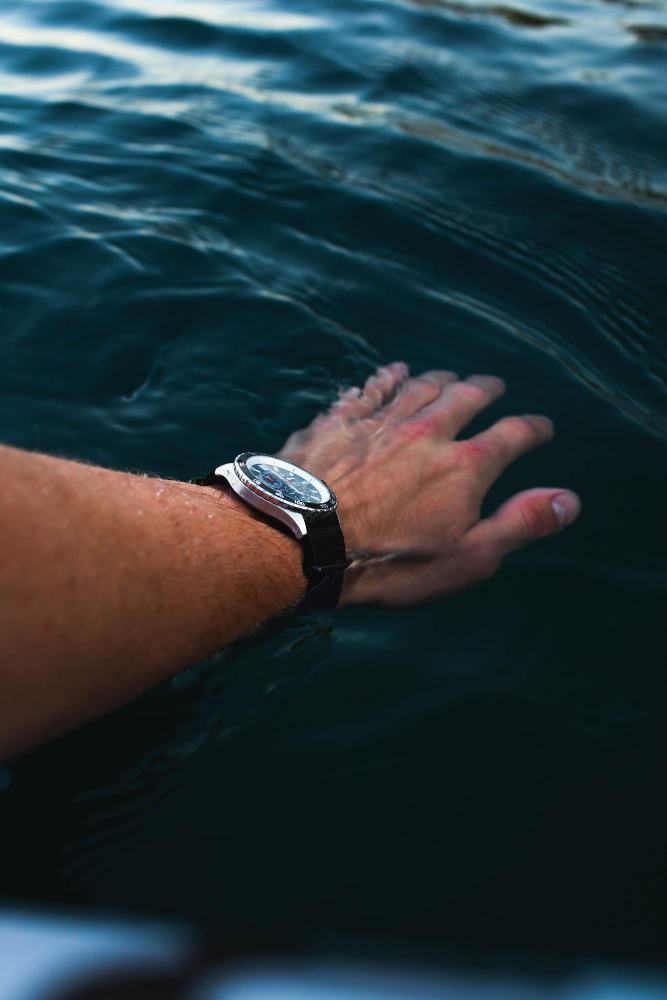
Dive watches have transcended their original purpose as essential tools for underwater exploration to become coveted timepieces that blend functionality with sophisticated design. Whether you’re a professional diver, an adventure enthusiast, or simply someone who appreciates fine horology, understanding what makes a dive watch exceptional can help you make an informed choice. From vintage classics to modern innovations, these timepieces represent some of the finest achievements in watchmaking history.
What Defines a True Dive Watch?
Essential Features and Standards
A genuine dive watch must meet specific criteria to earn its designation. Water resistance is paramount, with most models offering at least 200 metres of protection, though professional-grade pieces often exceed 300 metres. The unidirectional rotating bezel serves as a critical safety feature, allowing divers to track elapsed time underwater without the risk of accidentally extending their dive duration.
Luminous markers ensure readability in low-light conditions, whilst robust construction protects the movement from water pressure and impact. Modern dive watches also incorporate screw-down crowns and helium escape valves for saturation diving, demonstrating how these timepieces have evolved to meet increasingly demanding requirements.
The Golden Age of Dive Watch Design
Innovation Through the Decades
The 1950s and 1960s marked a transformative period for dive watches, when manufacturers developed iconic designs that remain influential today. This era saw the introduction of features that would become industry standards, from improved sealing systems to enhanced legibility under extreme conditions.
Many collectors and enthusiasts still seek out pieces from this golden age, as they represent the perfect balance between form and function. If you’re interested in exploring timepieces that have stood the test of time, the best dive watches of all time showcase these legendary designs alongside contemporary masterpieces.
Modern Innovations in Dive Watch Technology
Contemporary Materials and Movements
Today’s dive watches benefit from advanced materials like ceramic, titanium, and carbon composites that offer superior durability whilst reducing weight. Ceramic bezels resist scratching and fading, maintaining their appearance for decades. Modern movements provide exceptional accuracy and power reserves, with some automatic calibres running for up to 70 hours on a single wind.
Anti-magnetic properties and shock resistance have also improved dramatically, making contemporary dive watches suitable for extreme environments both above and below water. These innovations ensure that modern pieces can perform reliably whether you’re exploring coral reefs or navigating boardroom meetings.
Choosing Your Ideal Dive Watch
Considerations Beyond Specifications
Selecting the right dive watch involves more than comparing technical specifications. Consider your wrist size and comfort, as dive watches tend to be larger and heavier than dress watches. The bracelet or strap choice significantly impacts wearability—metal bracelets offer durability and prestige, whilst rubber straps provide flexibility and comfort during actual diving.
Budget plays a crucial role, with quality dive watches available across various price points. Entry-level options can deliver excellent performance, whilst luxury pieces offer refined finishing and prestigious heritage. Think about whether you’ll actually dive with your watch or primarily wear it as an everyday timepiece, as this decision influences which features matter most.
FAQ Section
What water resistance rating do I need for swimming and snorkelling?
A water resistance rating of 100 metres is sufficient for swimming and snorkelling, though 200 metres provides additional peace of mind and versatility for more adventurous activities.
Are vintage dive watches suitable for actual diving?
Vintage dive watches should be professionally tested and serviced before any water exposure, as aged gaskets and seals may have deteriorated over time, compromising water resistance.
How often should a dive watch be serviced?
Dive watches typically require servicing every 3-5 years to maintain water resistance and mechanical performance, with annual pressure testing recommended for watches used regularly in water.
Can I wear a dive watch with formal attire?
Many modern dive watches feature refined designs that transition well from casual to formal settings, particularly those with sleek cases and metal bracelets, making them excellent all-purpose timepieces.
What’s the difference between ISO and NIHS dive watch standards?
Both ISO 6425 and NIHS 92-11 establish rigorous testing protocols for dive watches, covering water resistance, legibility, and reliability, with NIHS standards being slightly more stringent in certain criteria.
Conclusion
Dive watches represent a unique intersection of engineering excellence and timeless design. Whether drawn to vintage classics or cutting-edge modern pieces, these timepieces offer reliability and style that few other watch categories can match. By understanding the essential features, historical context, and contemporary innovations, you can select a dive watch that serves as both a practical tool and a cherished accessory. The enduring appeal of these watches lies in their ability to perform under pressure whilst maintaining everyday wearability—a testament to the ingenuity of watchmakers who continue pushing the boundaries of horological achievement.

