

“Live 100 years” Jackie Kennedy told Valentino Garavani back in 1966, and he almost made it. Fashion’s “Last Emperor” passed away last Monday, at 93. Everyone has seen it all. The dresses, the muses, the shows, immortalized. To be so strongly respected for your craft is textbook success. But being widely loved by the industry that helped you build, old allies and new eyes alike, that’s true success. And that doesn’t just come with a beautiful dress, it comes with a beautiful Valentino dress. Before stitching, there was branding, and after stitching, there was still branding. Even before we had a word for what that really meant, Valentino built his world, controlled it, and made sure it would outlive him.
Red and Valentino Rosso are Two Very Different Things
Finding a true brand signature is hard enough. Owning something as broad as a color is almost impossible. The very first Valentino collection in 1959 featured a red dress called La Fiesta, and from that moment on, it became easy. But it was first at Barcelona’s Opera House, during a performance of Bizet’s Carmen, where Valentino noticed the shade’s power. “All the costumes on the stage were red… All the women in the boxes were mostly dressed in red, and they leaned forward like geraniums on balconies, and the seats and drapes were red too… I realized that after black and white, there was no finer color.”
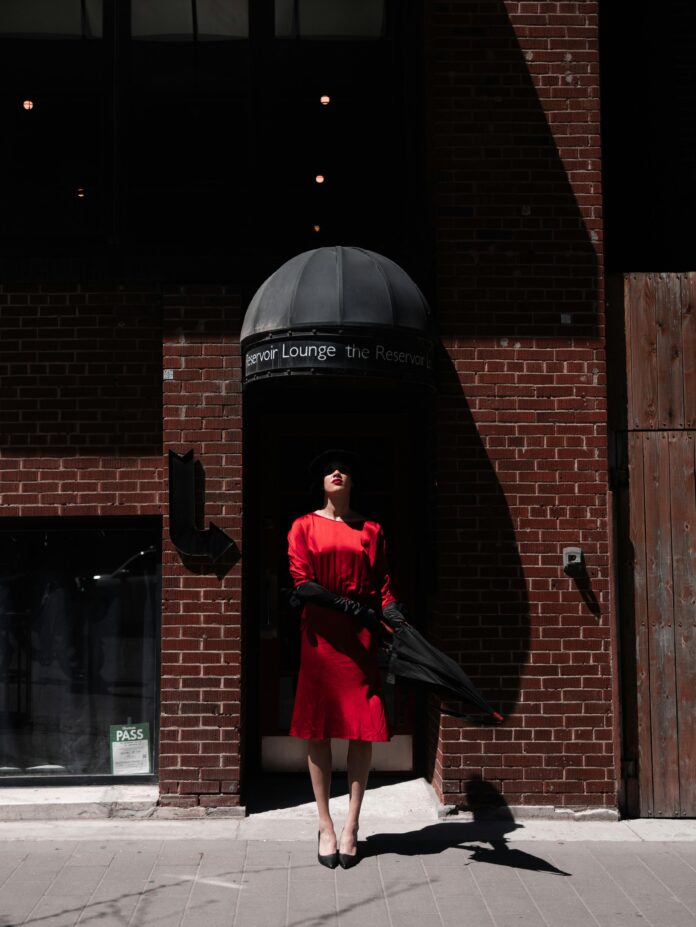
Over decades, the house didn’t just repeat the shade, it cemented it. “For the Valentino maison, red is not just a color. It is a non-fading mark, a logo, an iconic element of the brand, a value”, “I think a woman dressed in red is always wonderful, she is a perfect image of a heroine.” Garavani put it plainly. If a brand’s visual language is strong, you can spot it from a mile away, if it’s red, you might just spot it from Rome.
Keeping You Close Enough to Watch & Far Enough to Want
Valentino understood that luxury then was distance. When fashion started begging to be loved, he stayed unreachable, and there’s nothing the human brain wants more than something it just can’t have. Today, fashion craves desire, and its form of success is often measured in hashtags and mentions, but Valentino never faked intimacy with his audience. Some might argue he did use hashtags, they just went by the names Audrey Hepburn, Princess Diana, Carla Bruni, you get it, and honestly, I kind of get it too. Let’s just say that these “hashtags” were very few, not for Valentino, but for the world, and they certainly all had a red dress in their heavily watched closet.
Beauty Runs on Systems and Systems Run on Work
Valentino’s dresses weren’t magical, they were products of curated systems and long hours. They might’ve looked effortless, but just like behind every industry’s “natural” look there’s constant checking, of every detail, every stitch, every button. He trusted the workshop, the fittings, the artisans, the runway, but he controlled them too. If someone’s clothing tag and someone else’s paycheck carries your name, you better invest yourself even more, hiring brains is the easy way out. The best work hides itself, but it runs everything.
Knowing When to Leave is the Greatest Form of Control
It takes more courage to exit the world of fashion than to enter it. Step too soon, you vanish. Step too late, you bleed value. Leave in 2008, and you’ll have a brand that outlives its creator. Valentino stuck to his ideas. When the industry began to shift, he made room for new talent, and stepped back before the world could tire of him. Would we really feel this nostalgic without nearly twenty years of absence?

