

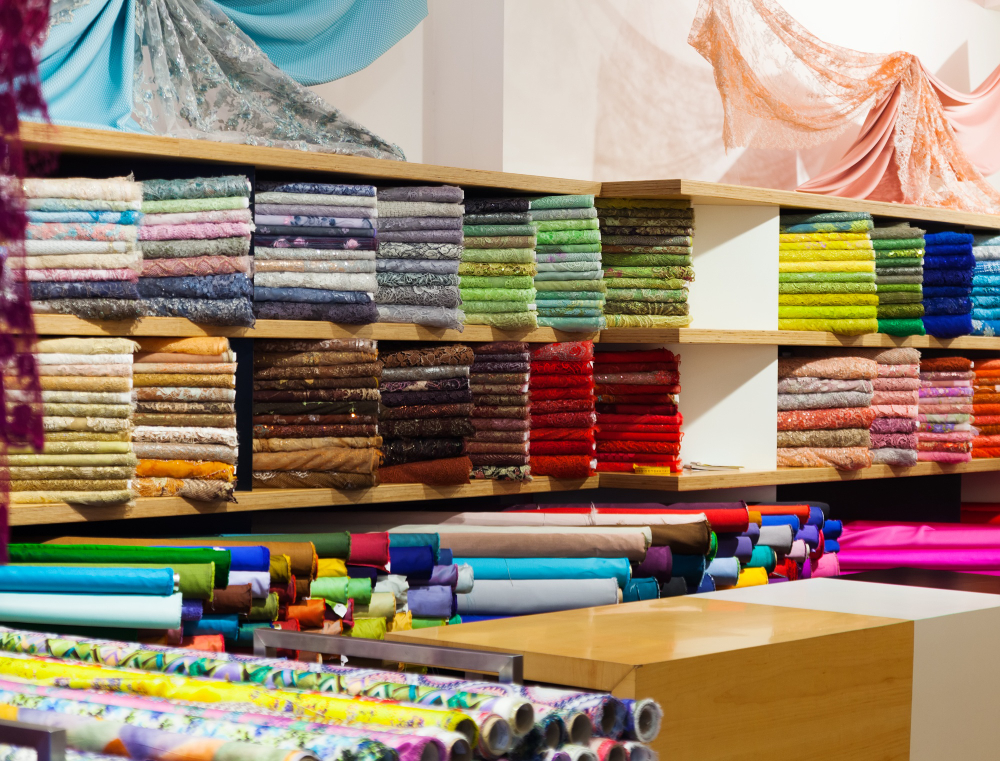
Fashion has always been a form of self-expression, but lately, it has also become a reflection of our values. More shoppers are pausing before checkout, asking where their clothes come from, how they’re made, and what kind of impact they leave behind. Sustainability is no longer a niche conversation it’s shaping how people build their wardrobes, invest in quality pieces, and connect emotionally with what they wear.
For many fashion lovers, this shift starts with fabric awareness. From organic fibers to innovative plant-based materials, understanding textiles can completely change the shopping experience. Even traditionally luxurious pieces, such as women’s silk clothing, are now being viewed through a more mindful lens, with consumers paying closer attention to sourcing, durability, and long-term wear rather than fast trends.
Below are some of the most important sustainable fabrics every fashion lover should know, along with why they matter in real-life wardrobe choices.
Why Fabric Choice Matters More Than Ever
Before we drill down on some actual material options, it might be helpful to understand why fabrics are such a big deal in the world of sustainable fashion. The fashion industry consumes massive amounts of water, energy, and chemicals. From a consumer’s point of view, this means a garment might feel disposable something with a tendency to fall apart, fade quickly, or simply not hang together well after a few wearings.
Sustainable materials turn the script on the above experience. These materials will likely be more breathable, durable, and skin-friendly compared to other materials. The end-user will enjoy fewer replacements, a more confident wardrobe, and a look that is less chaotic and more intentional.
Organic Cotton: A Better Everyday Essential
Organic cotton is normally the most popular entry point toward a more sustainable lifestyle. Conventional cotton is compared and contrasted with organic cotton, which is cultivated using less water, no toxic pesticides, and no fertilizers.
From a consumer standpoint, organic cotton stands out for its softness and breathability. T-shirts, dresses, and basics made from this fabric tend to feel gentler on sensitive skin and hold up better after repeated washes. Many shoppers also appreciate the transparency around farming practices, which builds trust and loyalty toward more responsible fashion choices.
Linen: Effortless Style with Low Impact
Linen has traditionally been associated with effortless elegance, and its sustainable profile makes it even more attractive. Since linen is derived from flax plants, it requires less water and fewer chemical treatments.
In terms of use, linen is the ultimate comfort fabric for tropical weather. It not only cools the body but also relaxes the wearer. Furthermore, linen tends to wrinkle quite easily. However, because of its popularity, linen wrinkles are no longer seen as a drawback but rather a testimony to its authenticity.
Hemp Fabric: Durable and Surprisingly Soft
One of the unique features of hemp is its friendly nature compared to other fibers found on earth. Hemp grows rapidly, maintains soil health, and requires less water than other crops.
One thing that often surprises the shopper, however, is the wearing quality of hemp. Contemporary hemp textiles are now soft, lightweight, and durable. For fashion enthusiasts concerned with quality, hemp clothing will often become, well, an essential or treasured favorite with a beautiful patina.
Responsible Silk: Rethinking a Classic Luxury
Silk has long been associated with the badge of elegance, but the question of sustainability has led the silk industry towards adopting a more measured approach. The concept of ethical silk incorporates sustainable agriculture, the minimized use of chemicals, and more long-lasting garments.
The desirability of silk fabrics to consumers is predominantly based on its versatility and texture. The ability to breathe, regulate, and be kind to the skin makes silk fabrics instant wardrobe favorites, rather than just an occasional treat. Consumers especially appreciate designs that transcend seasonal boundaries, aligning with the ethos of buying better, not more.
Recycled Fabrics: Giving Materials a Second Life
Recycled fabrics might be made from recycled polyester or nylon and are created from post-consumer materials such as plastic containers and old clothing. While not perfect, they do reduce landfill waste and encourage us to use less virgin material.
In terms of user experience, the quality of fabric produced from recycled materials has significantly improved. Fashion lovers cannot distinguish them from the regular fabric, which is a major step towards widespread acceptance. There is added emotional fulfillment if the garment is a means of reducing, rather than contributing to, waste.
Wool: Natural, Renewable, and Long-Lasting
Wool is a renewable resource, bio-degradable, has high insulation properties, and if handled properly, can be one of the most sustainable materials in cooler weather conditions.
People appreciate the quality that wool has to offer. It is hard to wear out, making it last for several years, maybe even decades, if it is of excellent quality. Buying such clothes is always the best decision. Another great feature of wool is the natural heat regulation property.
How Consumers Are Changing the Way They Shop
One noticeable trend among fashion-conscious consumers is the shift from impulse buying to intentional purchasing. People are reading labels, researching fabrics, and thinking about how each piece fits into their lifestyle.
Sustainable fabrics play a big role in this behavior change. When clothing feels better to wear and aligns with personal values, it creates a deeper connection between the wearer and the garment. This often leads to better care, longer use, and a more curated wardrobe overall.
Building a More Thoughtful Wardrobe
Knowing sustainable fabrics isn’t about perfection, it’s about progress. Most consumers aren’t replacing their entire closet overnight. Instead, they’re making gradual changes, choosing better materials when it’s time to buy something new.
By focusing on comfort, longevity, and versatility, fashion lovers can create wardrobes that feel good in every sense. Sustainable fabrics support not just the planet, but also a more satisfying and mindful fashion experience one that values quality over quantity and personal style over passing trends.

