

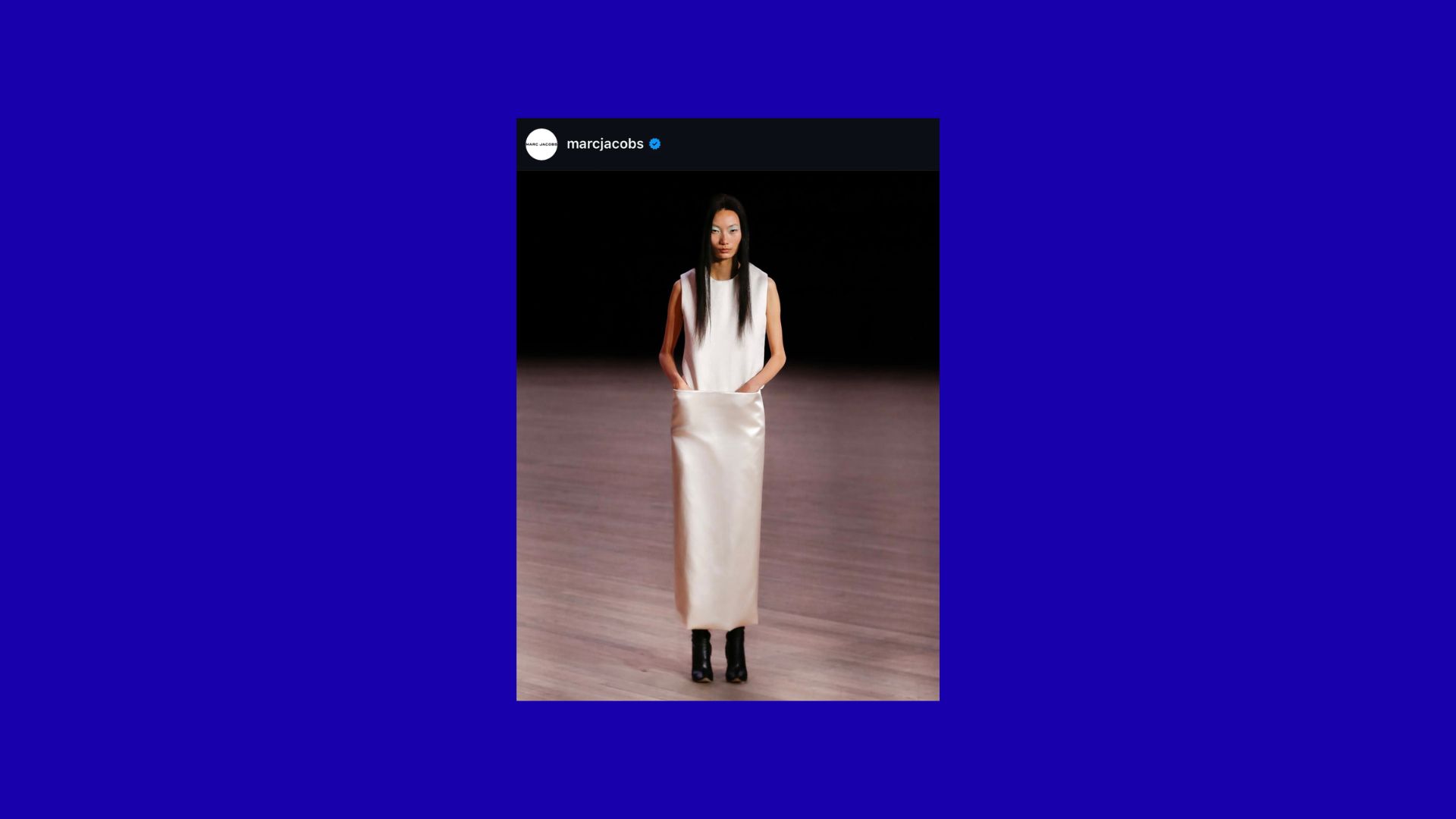
Every new season, I’m unwillingly reminded of Marc Jacobs’ evolution, in the best way possible. When lockdown shrank fashion into survival mode, Jacobs went bigger, literally. Inflating silhouettes, exaggerating proportions, flirting with a kind of techy, new-age Rei Kawakubo drama. He made extreme structure feel almost friendly, which is exactly why Spring 2026 feels restrained. The collection might’ve just traded volume for reminiscence.
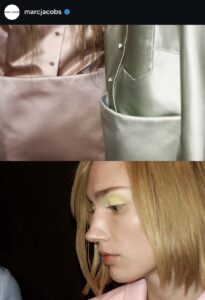
“Surfacing on their own, memories shape, influence, and inform. Free from nostalgia, recovering the past also reminds us that loss is inevitable and hope is work. Memories, both bittersweet and beautiful, are a faculty of purpose, influencing current and future actions – who we are, what we create, what we leave behind, and what we carry forward,” the show’s notes stated. Which said a lot about the collection, but what really explained it was what followed. A precise roll call of credits and receipts, ranging from Yves Saint Laurent to Perry Ellis, X-Girl to Stüssy, Helmut Lang, Prada, and his own archives. That’s the part the industry seems to have forgotten. Names, respect, and brutal honesty about inspiration.
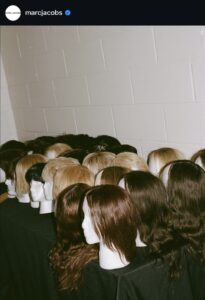
The collection was titled “Memory. Loss,” and it got reactions. Even Anna Sui apparently cheered, “What a great show! Clothes we can wear,” so Vogue says. The silhouettes were stiff, rectangular, almost merciless. Skirts lacked pockets, but their sharp angles were just perfect for stuffing both your hands in, possibly the hands of the person next to you too, if you’re feeling generous. And if that didn’t limit mobility enough, Jacobs made sure to throw in a collar or two. In all the backwards-worn coats, awkward button-ups, sprinkles of glitter and plaid, one question kept nagging. If the models weren’t wearing wigs, how differently would their hair really fall? I couldn’t imagine it any other way, which, to be honest, was a little unsettling. But hey, they made the collection’s obsession with memory all the more precise.

