

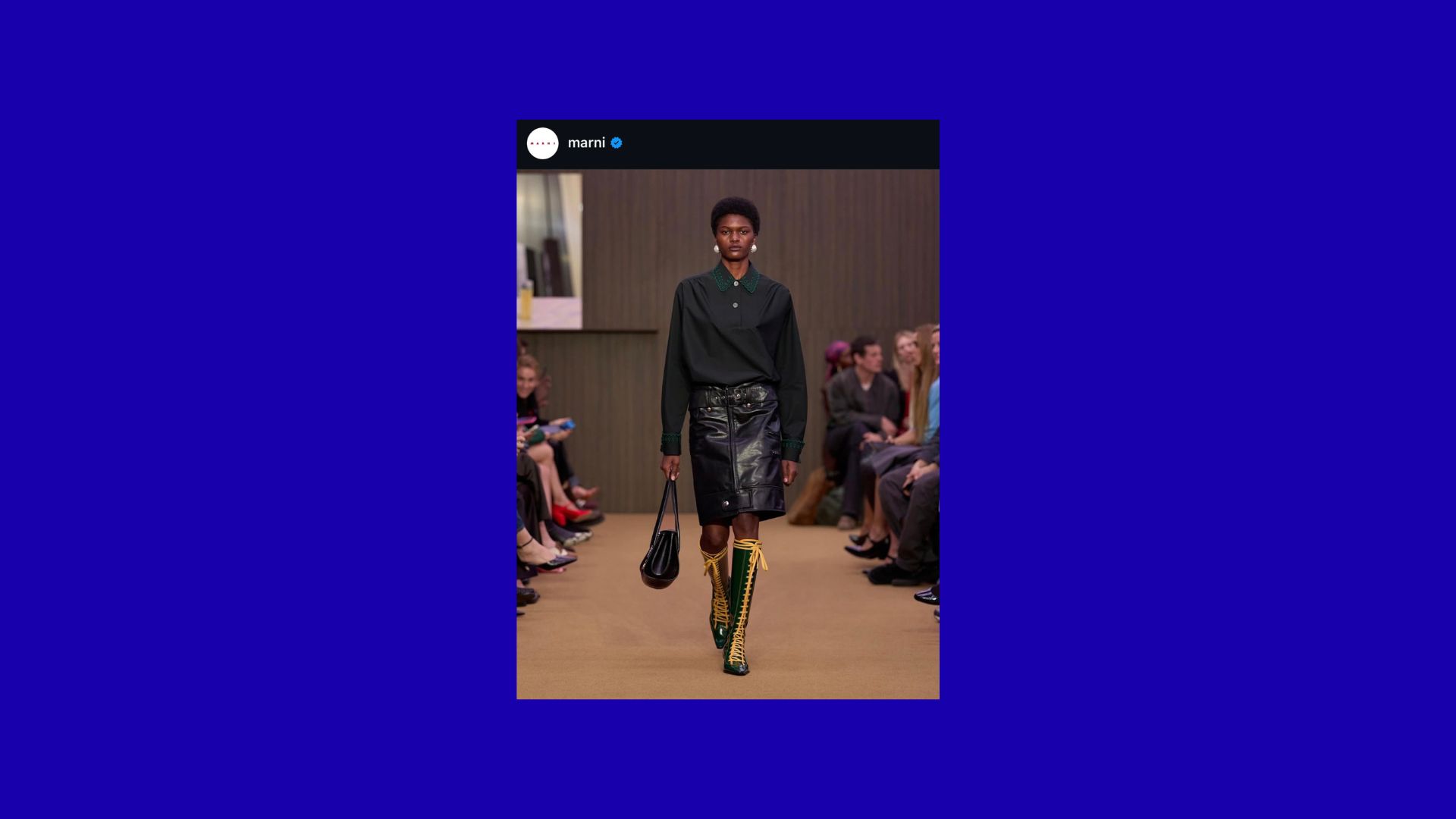
Marni loves its designers. At 32 years old, the brand just met its third-ever creative director. Consuelo Castiglioni, the woman behind it all, curated floral prints for 22 long years, until OTB swallowed Marni whole and handed the reins to Francesco Risso, before he developed his love for 30$ sweaters. Now, the sketchbooks are back in female hands, but before Meryll Rogge even opened them, she took a long, hard look at the archives.

For me, and my fellow Gen Z-ers, Risso was the one to shape Marni in our heads. This kind of expressionism, conceptual, sometimes theatrical, is usually easily digestable for us. Others choke on it. “Risso turned Marni into a gallery you couldn’t wear,” a friend once put it bluntly. As luxury fashion circles back to its roots and wearability becomes the new buzzword, everyone assumed Rogge would channel Castiglioni more than Risso, just like Demna, for instance, favored Tom Ford over Alessandro Michele. Seems the market’s slowly craving simpler, livable clothes.
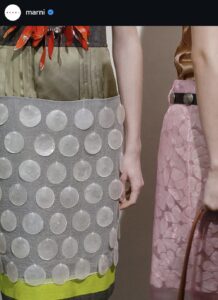
Simpler or not, one thing’s clear, everyone booked a trip back to the archives. Rogge’s debut made that obvious. The collection leaned darker, muted, heavy on black, with fewer color pops, the brand’s first three collections had barely any print or color, after all. Hips peeked out while skirts stayed easy, ’90s jackets hit the shoulders just right, and waists were subtly tamed. Stripes took center stage again, dots returned oversized, sometimes sequined, and florals went sharp, brutal in their modernism. The iconic Fussbett sandal and Trunk bag, of course, made their cameo. “We toughened everything up a bit,” Rogge told Vogue.
Marni’s aesthetic has always been clear, loud or not. Rogge may be pulling from the label’s quieter side, but it’s still pure Marni, dare I say, original Marni. The woman knows the brand, her very first paycheck in fashion ignored rent completely, and went straight to Marni shoes. Now, her name walks with them.

