

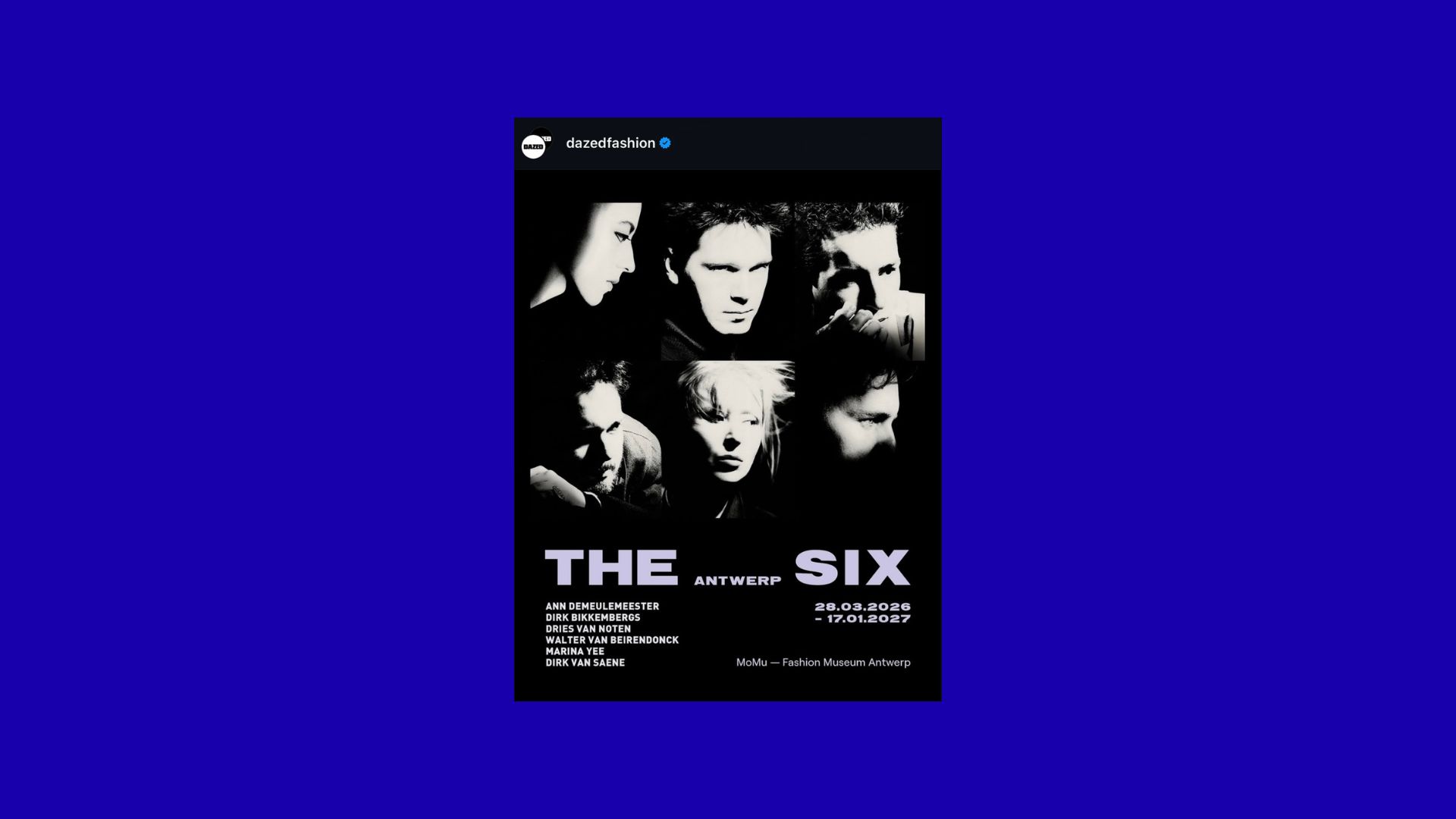
Fashion has its very own Fantastic Four. They’re quite fantastic, just not four. Dries Van Noten, Ann Demeulemeester, Walter Van Beirendonck, Dirk Van Saene, Dirk Bikkembergs and the late Marina Yee are basically forever stuck with the name “the Antwerp Six”. They may lack fire-breathing or body-stretching powers, but they wield enough influence to make a trip to Belgium’s MoMu (Mode Museum) feel absolutely necessary.
How Antwerp Got Its Six
The world got interesting during the 1980s. The fashion scene was still glued to Paris, Milan, maybe even New York, but underground culture and places like Antwerp’s own little London Blitz, Café D’Anvers, gave creatives a playground to dress like maniacs and meet their future co-workers. This new generation slowly launched an era of more daring designers like Vivienne Westwood, John Galliano, Rei Kawakubo, Issey Miyake, and the list goes on. Geert Bruloot, guest curator of the exhibition and something like a fashion godfather to the six, still remembers driving to Paris to see the then-new Comme des Garçons stores with some of them in the passenger seat. Bruloot met the six in 1983, at his shoe shop Coccodrillo, the shop that got its hands on Margiela’s Tabi first, conveniently in the same mall as Van Saene’s boutique, Beauties & Heroes.
Most of them, Martin Margiela included, graduated from Antwerp’s Royal Academy of Fine Arts’ fashion department in 1981. Just as Belgium decided to throw a lifeline to its dying textile industry with government campaigns, the Golden Spindle competition (judged by Jean Paul Gaultier, who would later scoop up Margiela for Paris), and enough funding to send young designers to Japan. Lucky timing, really. They’d already scored a bit of recognition, but it wasn’t this little getaway that made things happen, London would do that.
1986 came and they all took a van tour across London (only Demeulemeester sat this one out, pregnancy being a perfectly understandable excuse), showing up at what sounded more like the British Designers Show than the Fashion Week we think of now. They found themselves on the not-so-hot second floor of London’s Olympia, largely ignored. Naturally, they went with the classic college-kid thing to do and printed flyers that promoted six designers from Antwerp, whose names killed your tongue a little. They were quickly dubbed “The Antwerp Six,” and Barneys New York (the store every designer wanted on their CV) was already clearing space back in the US, and journalists from WWD, i-D, and anyone with a pulse for fresh fashion noticed.
Why We’re Still Talking About Them
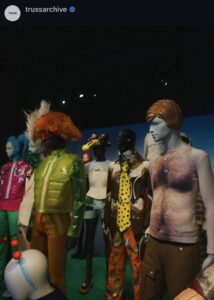
The Antwerp Six were never a collective, and they never operated as one. And thank God for that, they were entirely too different. Bikkembergs made sportswear feel like something you’d actually want to wear on a runway. Van Saene treated clothing like art and sculpture, leaving you wondering if you were supposed to admire it or accidentally sit on it. Demeulemeester walked in layers that felt dark, but oddly alive. Van Noten had an instinct the rest of us missed, he saw prints and colours the way we see air, everywhere, shaping everything. While Van Beirendonck forced playful humour and politics to hold each other’s hands inside his seams.
Yet they shared some common ground. “The Antwerp Six are often described as a myth or a label, but rarely analyzed in their full complexity. […] They were not only six extraordinary talents, they were also the product of an environment. It is a dimension we risk forgetting today, as contemporary fashion tends to personalize everything, turning every story into an individual biography,” Kaat Debo, director of MoMu told NSS. They widened the map of fashion, giving new cities a place in the conversation while staying independent. Back then, fashion education still meant tradition. Paris taught rules, Antwerp, under Linda Loppa, taught freedom, an approach that gladly didn’t stay local. Just look at Demna Gvasalia and Raf Simons (mentored by Van Beirendonck) who ended up with near-identical diplomas.
What Sharing Rooms at MoMu Looks Like
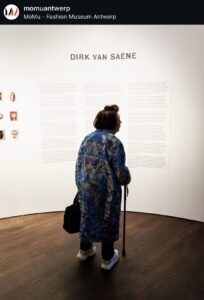
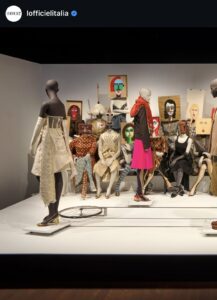
Celebrating 40 years since that London trip, the exhibition starts with their early years, then breaks into six very specific rooms. Bikkembergs kicks things off with a space built around image rather than product. Van Beirendonck follows louder, with an almost aggressive burst of colour and a video-built robot in conversation with himself. Van Saene leans into the surreal, recreating his ’97-’98 show with a front row that feels more like artworks than guests, while Van Noten shifts the focus to the finale, where everything lands. Marina Yee’s room feels like stepping into her workspace, as if she never really left it, while Demeulemeester’s goes entirely back to black, where feathers and ropes rest in the dark.
“They opened their archives, selected key pieces, and provided context,” Debo says to W Magazine. “Our focus was not on presenting ‘greatest hits’, but on processes, beginnings, and moments of transition. We were particularly interested in materials that could reveal how ideas developed over time and how different aspects of the designers’ practices were interconnected… What continues to resonate is not a recognizable style, but a mind-set. Creative autonomy, intellectual ambition, and the courage to operate independently. Their legacy is proof that it was possible to invent your own rules and succeed internationally.”

