You’d be hard pressed to find anything in the natural world as familiar to us as trees — or whose role in the health of our planet feels as immediately legible. Among the earliest things many of us learn is that trees are the ‘lungs of the planet,’ absorbing carbon dioxide and releasing oxygen into our atmosphere.
And while their role in carbon sequestration and oxygen production is noteworthy, trees offer a wealth of other climate benefits, from regulating water cycles to cooling urban heat islands. All of this, alongside the aesthetic wonder and sheer diversity that trees bring to the world, has made them enduring subjects of fascination in science and culture. In recent years, books about trees have surged in popularity, most notably Peter Wohlleben’s The Hidden Life of Trees, which helped bring to mainstream audiences the remarkable idea that trees communicate with one another and actively share resources. It’s a cultural shift that biologist Merlin Sheldrake has spoken to directly: as environmental crises have worsened, people have become aware of “the many shimmering networks of connection that we’re bound up in.”
Since 2011, another way of celebrating trees in their function and beauty has been the European Tree of the Year contest. The competition seeks to raise awareness of trees as part of our natural and cultural heritage, and to showcase the communities who care for them, celebrating the trees that have become gathering points for generations of people. In the words of the European contest’s coordinator Petr Skřivánek, the aim is not to find “the most beautiful tree,” but to recognise those with the most meaningful human stories and connections.
This year, the winner of the Tree of the Year award was the Oak of Laukiai in Lithuania. Here is a photo of each of this year’s celebrated trees, from the Baltic champion to the runners-up.
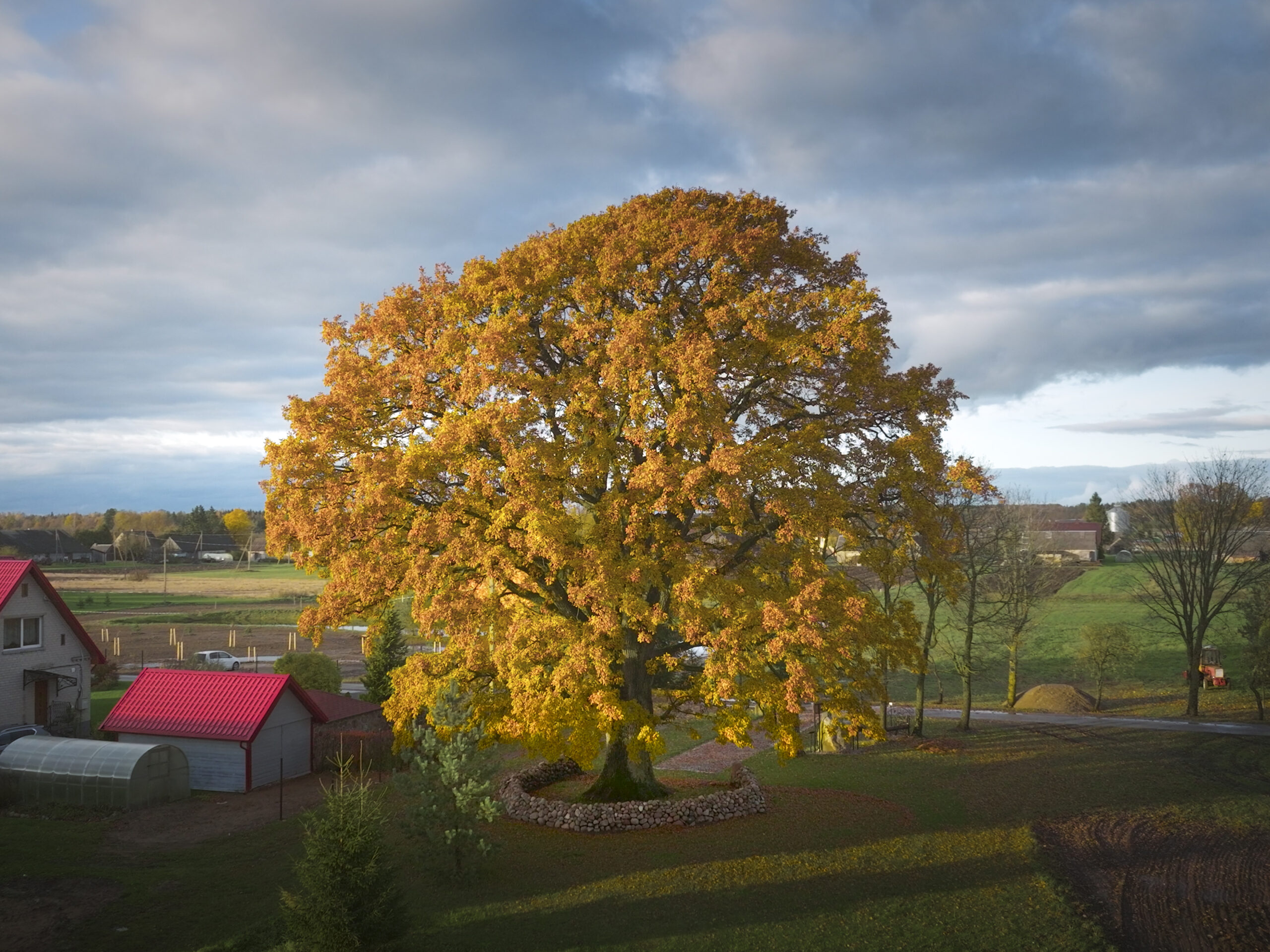
1. Oak of Laukiai in Lithuania
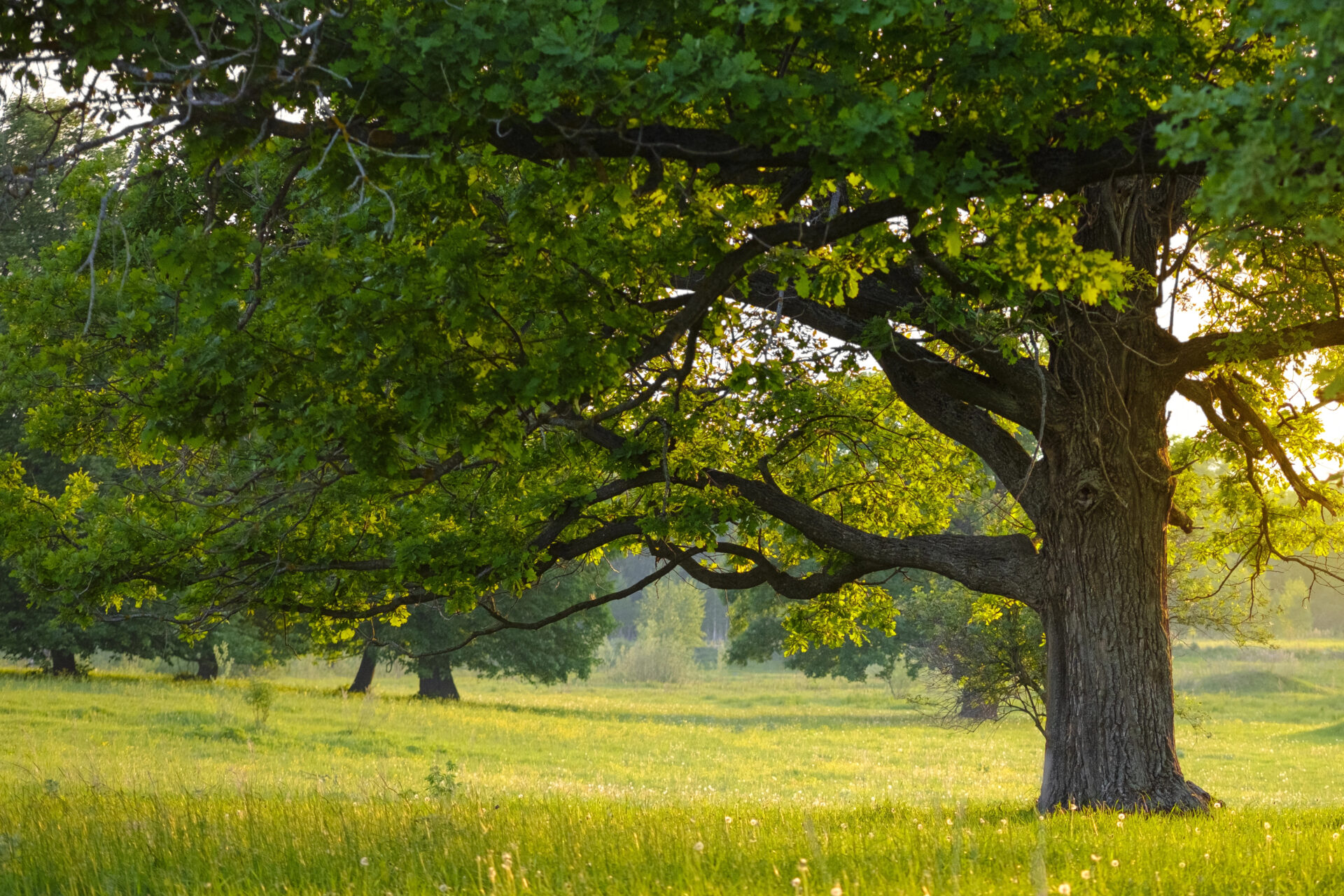
This 400-year-old common oak spent much of its life known only to the people of Laukiai village. Recently its surroundings were restored and a celebration organised in its honour, drawing a community together to celebrate its steady, enduring presence.
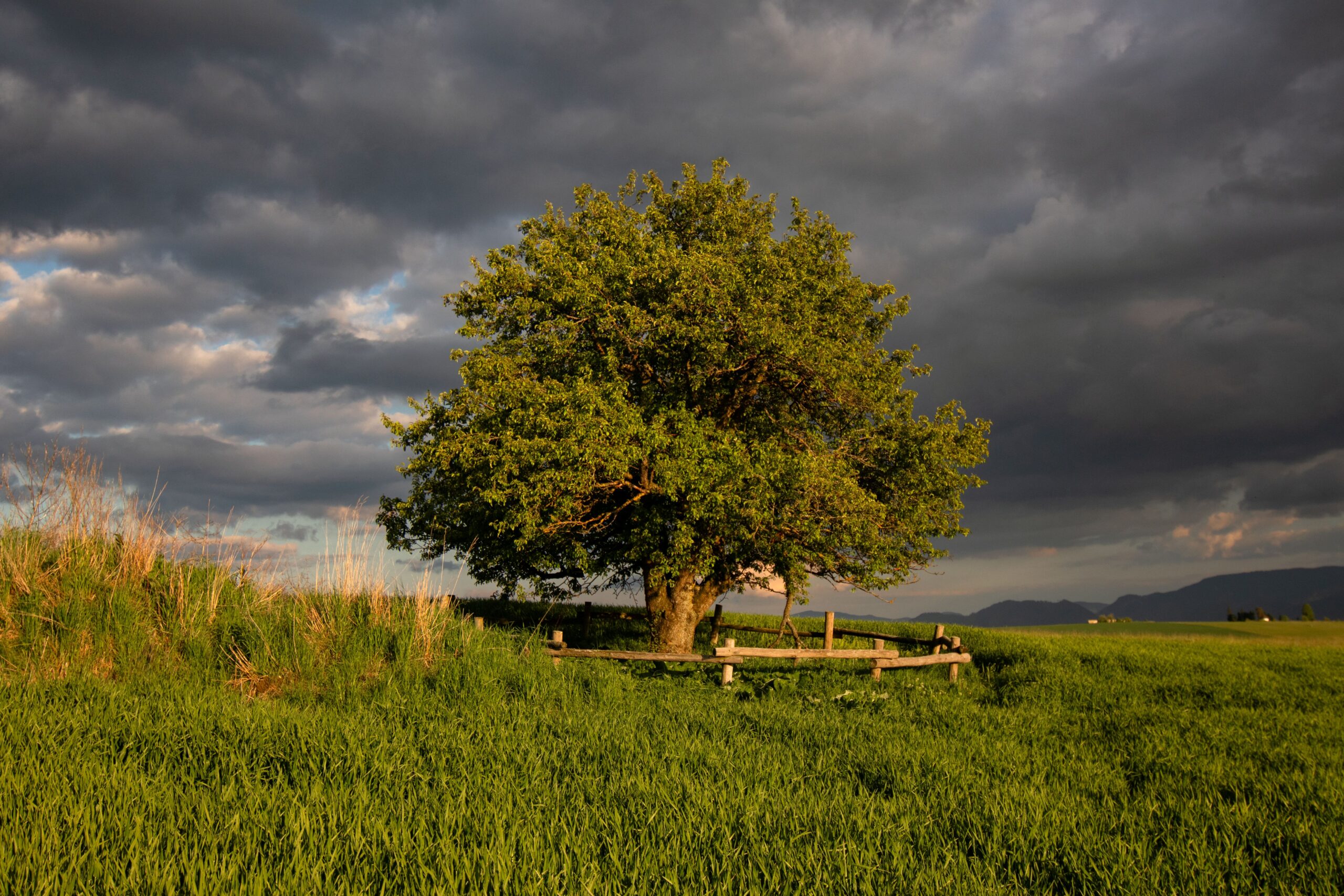
2. The Old Wild Apple Tree in Slovakia
Rooted in the village of Žiar at 860 metres altitude, this wild apple tree has been shaped by generations of farmers’ hands and 150 years of mountain weather, including wind, snow, and heatwaves.
3. Crooked Tree in Poland
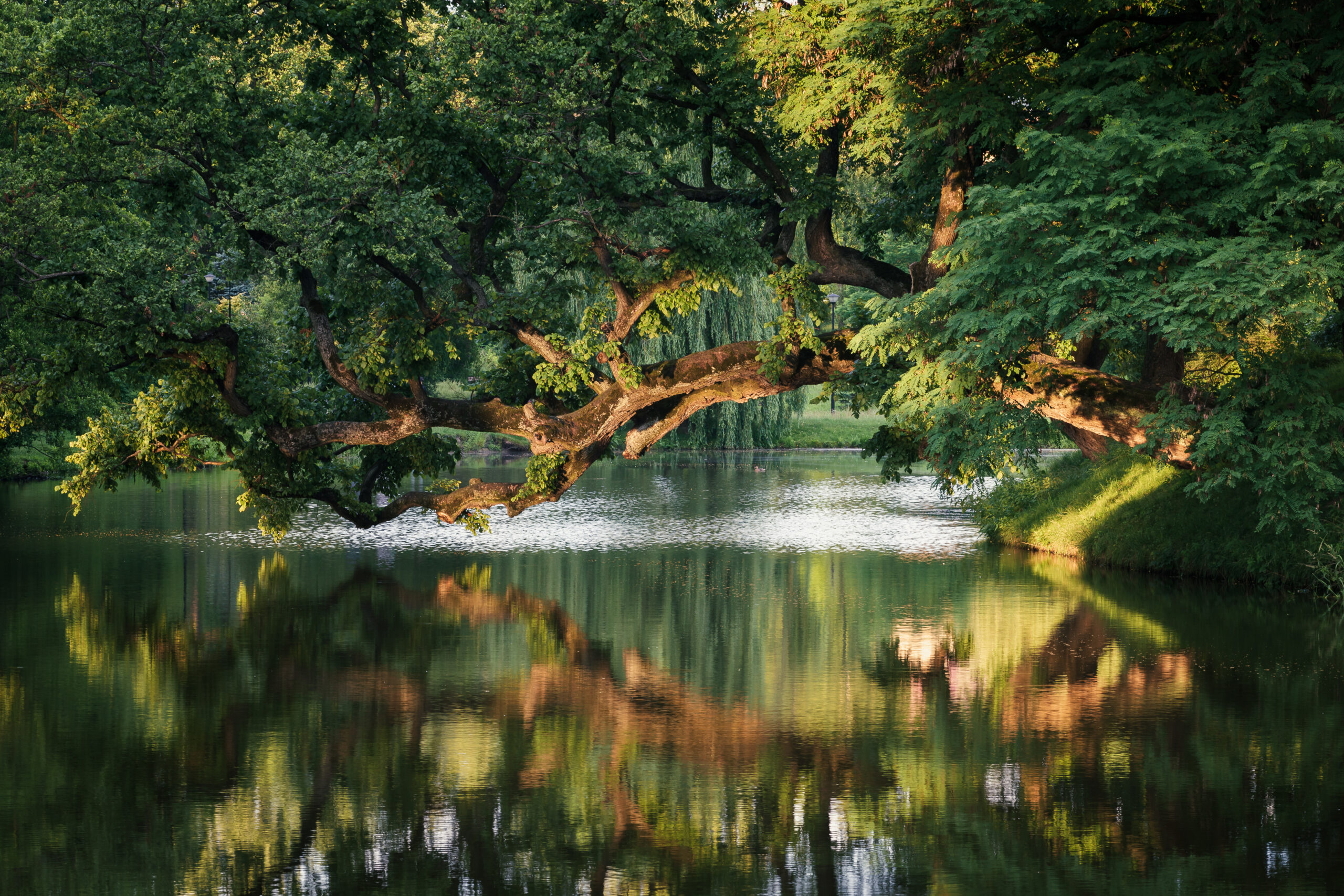
This 110-year-old white elm rises above the moat of an island near the former castle of the noble Szydłowiecki and Radziwiłł families. Known as the Crooked Tree, its distinctive lean toward the water is a result of where it took root. Today the site has returned to nature, the tree’s twisted silhouette as mesmerising as ever.