

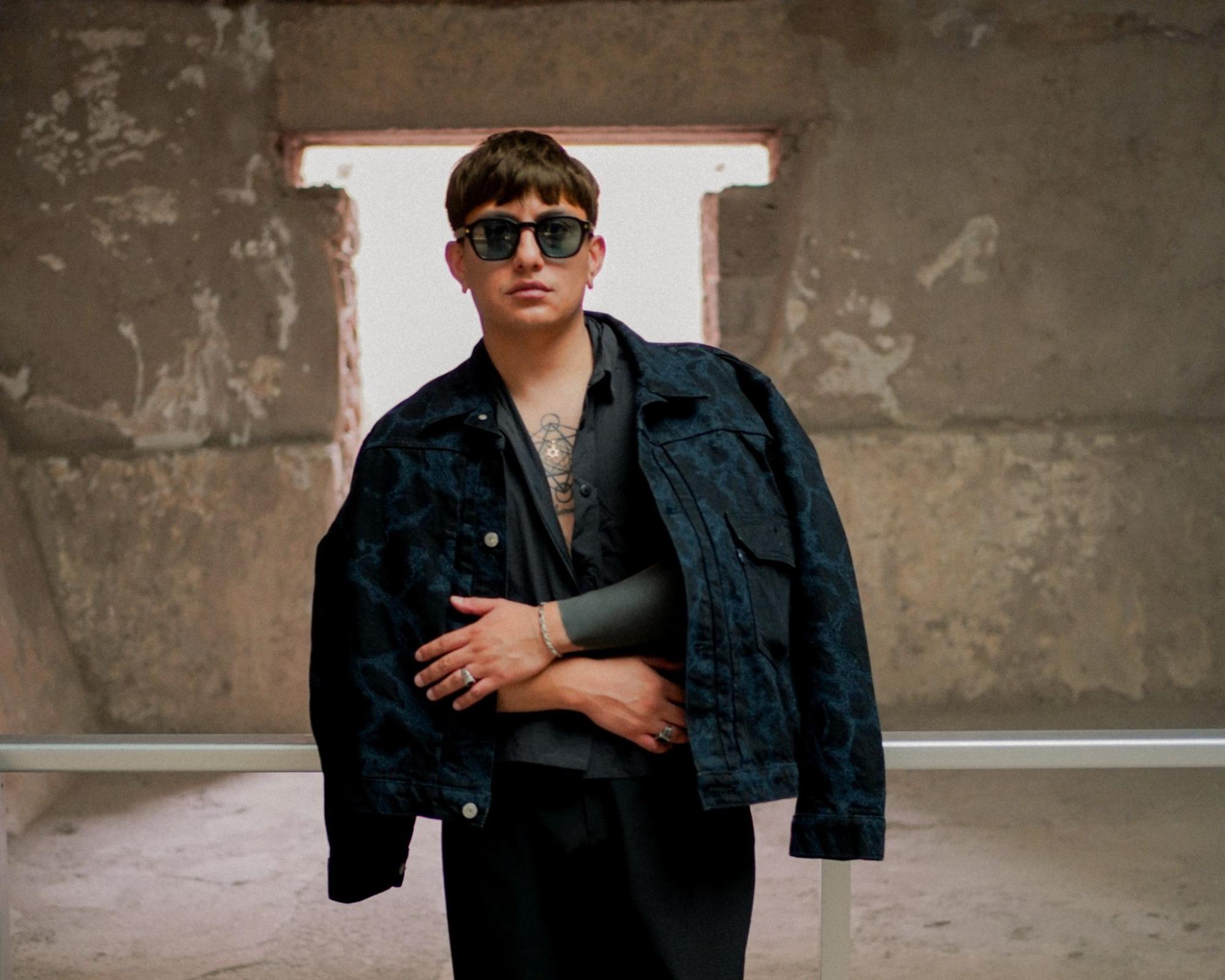
Historically, the line between “fine art” and “tattooing” has been a rigid one, particularly in South America.
Felipe Abel (born Felipe Arriagada), a Chilean-born tattoo artist with a background in graphic design and a decade of experience in black-and-grey micro-realism, is leading a movement to dissolve those boundaries
In an era where body art is increasingly professionalized, Abel is reclaiming the narrative of the tattoo artist as a conceptual visionary. He is gearing up for a move to the internationally-acclaimed Noble Art Studio in Brooklyn, and is currently developing a new series of oil paintings for an art exhibition, and has several guest spots planned at high-profile tattoo shops, international. All in all, Abel is bridging the gap between the permanent ink of the skin and the classical traditions of the canvas.
In his home country of Chile, Abel notes that tattooing has long struggled to gain institutional respect. “Historically, tattooing has been perceived more as a craft than a conceptual artistic practice,” Abel explained. He observes a “cultural gap” that has traditionally separated institutional art from the tattoo studio.
However, Abel believes the tide is turning. “As the level of work continues to evolve, so does the recognition. I see it as a transitional moment, where tattooing is beginning to be understood not only for its technical execution but also for its artistic and narrative potential.”
Since the 1990s, tattooing has moved from the fringes to high fashion, fine art and pop culture, as the art of tattooing has become a part of the mainstream, thanks to artists like Abel, who bridges tattooing with fine art techniques.
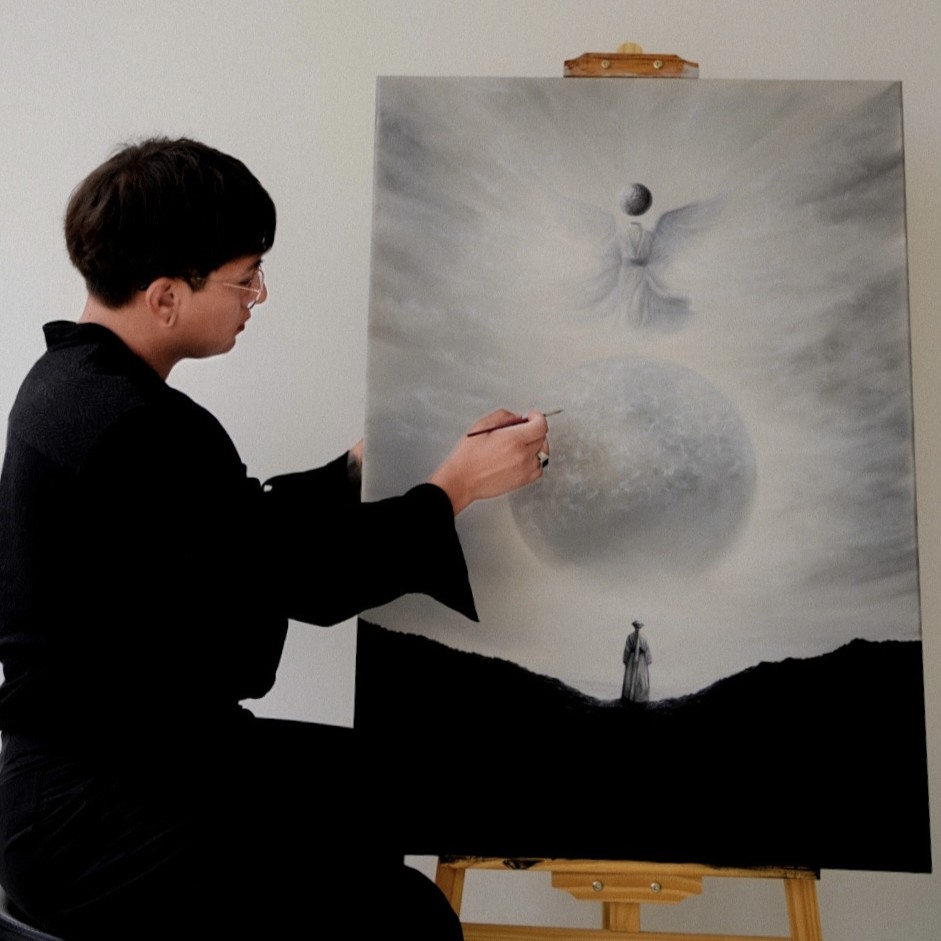
While many know Abel for his meticulous fine-line work and realism, his journey actually began with paint. A graphic design graduate, he spent years mastering composition and light on canvas before ever picking up a tattoo machine.
“Painting was the foundation that shaped how I understand composition, light, and form,” Abel said. “Tattooing came later as a medium where I could apply that knowledge in a more direct way, onto skin.”
Now, after 10 years of establishing himself in world-class studios from Zurich to Paris, Abel is returning to his roots. He is currently developing a series of oil paintings focused on mythology, theology, and esotericism, all themes that have defined his signature tattoo style. The series is expected to debut in a formal exhibition around 2027.
Central to Abel’s aesthetic is the use of chiaroscuro—the dramatic contrast between light and dark. While his tattoo work remains strictly black and grey to maximize depth and volume, his oil paintings introduce a subtle, deliberate use of color to expand the emotional tone of Equilibrium.
His work often features a recurring motif: a floating orb. “The floating orb represents balance, presence, and something intangible,” says Abel. “Associated with the idea of the divine and the infinite, it functions as a point of tension… creating a dialogue between material and immaterial forms.”
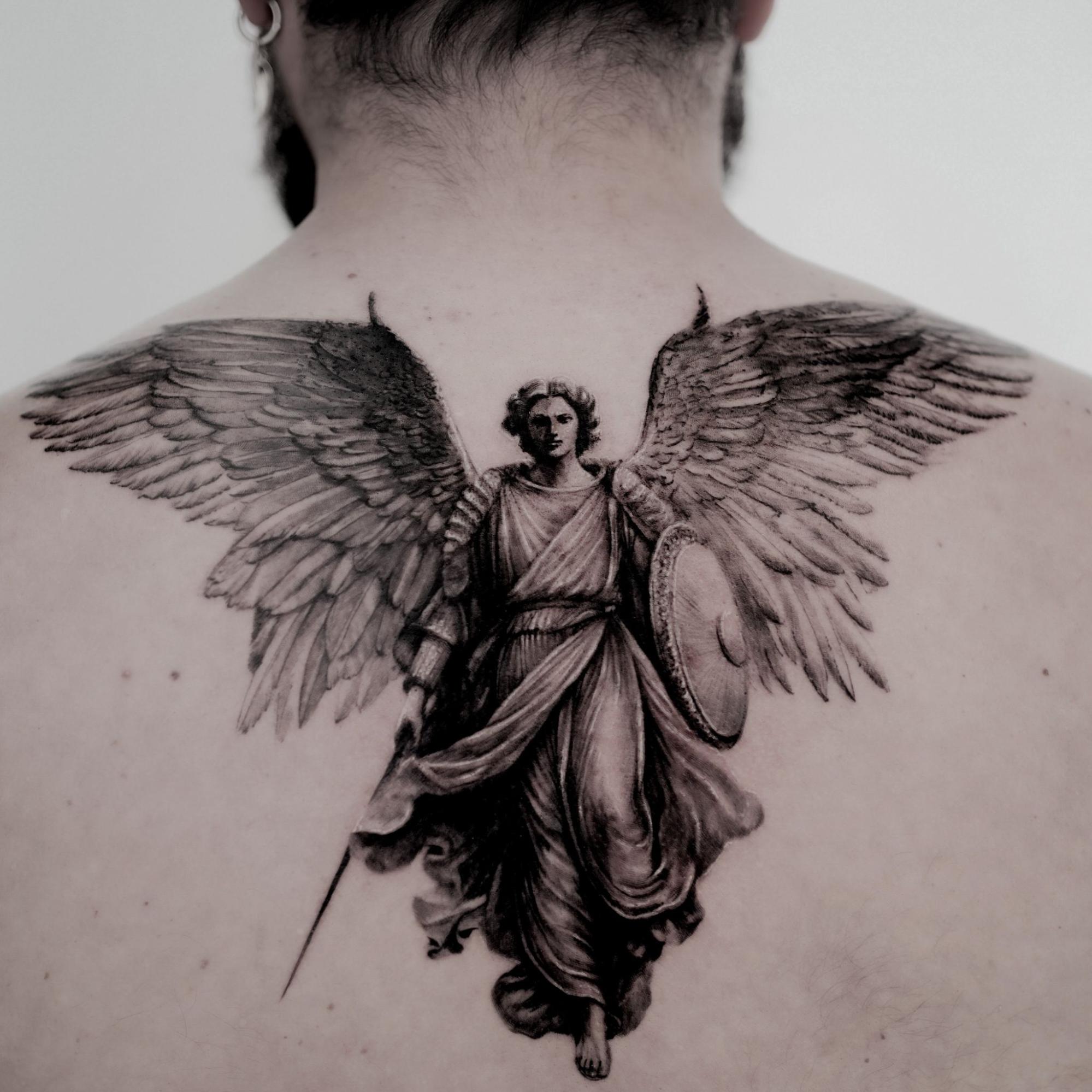
This blend of high realism and surreal symbolism is heavily influenced by two masters: the haunting black-and-white landscape photography of Sebastião Salgado and the “realist-surrealist” paintings of fellow Chilean Guillermo Lorca. Abel uses realism to ground the viewer, then introduces fantastical elements to disrupt logic and create visual tension.
When tattoo artists travel, they get “guest spots” at international tattoo studios. It is similar to a guest hairdresser taking a ‘chair’ at a hairstyling studio for a limited amount of time; to gain experience, network internationally, build contacts and gain a broader, international clientele.
Abel has held guest spots in over 20 cities across 10 countries, including prestigious studios like Sasha Tattooing in Paris and The White Whale in Milan. Abel is now looking toward his next chapter; joining the team at Noble Art Tattoo studio in New York City, run by acclaimed realist tattoo artist Matias Noble. It represents a move toward an environment that prizes “discipline, intention, and a clear direction,” as New York City is a hub of the artists and international clientele.
As he moves between the tattoo machine and the easel, Abel remains a testament to the modern artist’s ability to transcend medium. Whether in pigment on a canvas or ink in the dermis, his work continues to explore the human experience through the lens of shadow, light, and the eternal.
Follow @felipeabelart on Instagram.

